Petra is one of the most famous archaeological sites in the world, yet many visitors only experience a small part of it. Most travelers walk through the Siq, take photos of the Treasury, continue along the main path for a short time, and then return to the entrance. The Treasury is beautiful, but it is only the beginning. To understand Petra properly, you need to look beyond the postcard image and explore the trails that reveal its scale, silence, and hidden detail.
Exploring Petra beyond the Treasury changes the way you see the ancient city. The site is not just one carved façade in a canyon. It is a vast Nabataean landscape of tombs, temples, steps, viewpoints, water channels, high places, valleys, and mountain paths. Some routes lead to grand monuments like the Monastery. Others climb toward panoramic views or pass through quieter valleys where you can feel the desert atmosphere more clearly.
The best part is that these trails are not only for expert hikers. Some require strong fitness and planning, but others are manageable for curious travelers who allow enough time. The key is to start early, understand the route, carry enough water, wear proper shoes, and avoid trying to see everything in one rushed visit.
This guide explains the trails most visitors miss, how to choose the right route, and how to plan your time in Petra. It is written for travelers who want more than a quick photo stop. If you are ready to experience Petra beyond the Treasury, these trails will help you see the ancient city with more depth, patience, and respect.
Why You Should Explore Petra Beyond the Treasury
The Treasury is the most iconic monument in Petra, but it can also create a false impression of the site. Many first-time visitors think Petra is a short walk through a narrow canyon to one famous façade. In reality, Petra is a large archaeological landscape spread across mountains, valleys, and rock-cut passages. The Treasury is only one part of a much wider city that once connected trade, religion, engineering, and daily life.
When you explore Petra beyond the Treasury, the crowds begin to thin out. The sound of tour groups fades, and the landscape becomes more open. You start to notice smaller tombs carved into cliffs, worn stone staircases, ancient water channels, and the way the Nabataeans shaped the landscape to support life in a dry environment. These details are easy to miss if you only follow the main route for an hour or two.
The trails also help you understand Petra’s geography. From higher viewpoints, you can see how the city sits between cliffs and mountains. You can imagine how caravans entered, how water was controlled, and why the location was so valuable. Petra becomes less like a single attraction and more like a living historical puzzle.
For photographers, hikers, and slow travelers, the quieter routes offer better light, wider views, and more meaningful moments. The Treasury may give you the famous photo, but the trails give you the experience. They show the scale of Petra and help explain why it remains one of the most important archaeological sites in the Middle East.
Understanding Petra’s Layout Before You Start
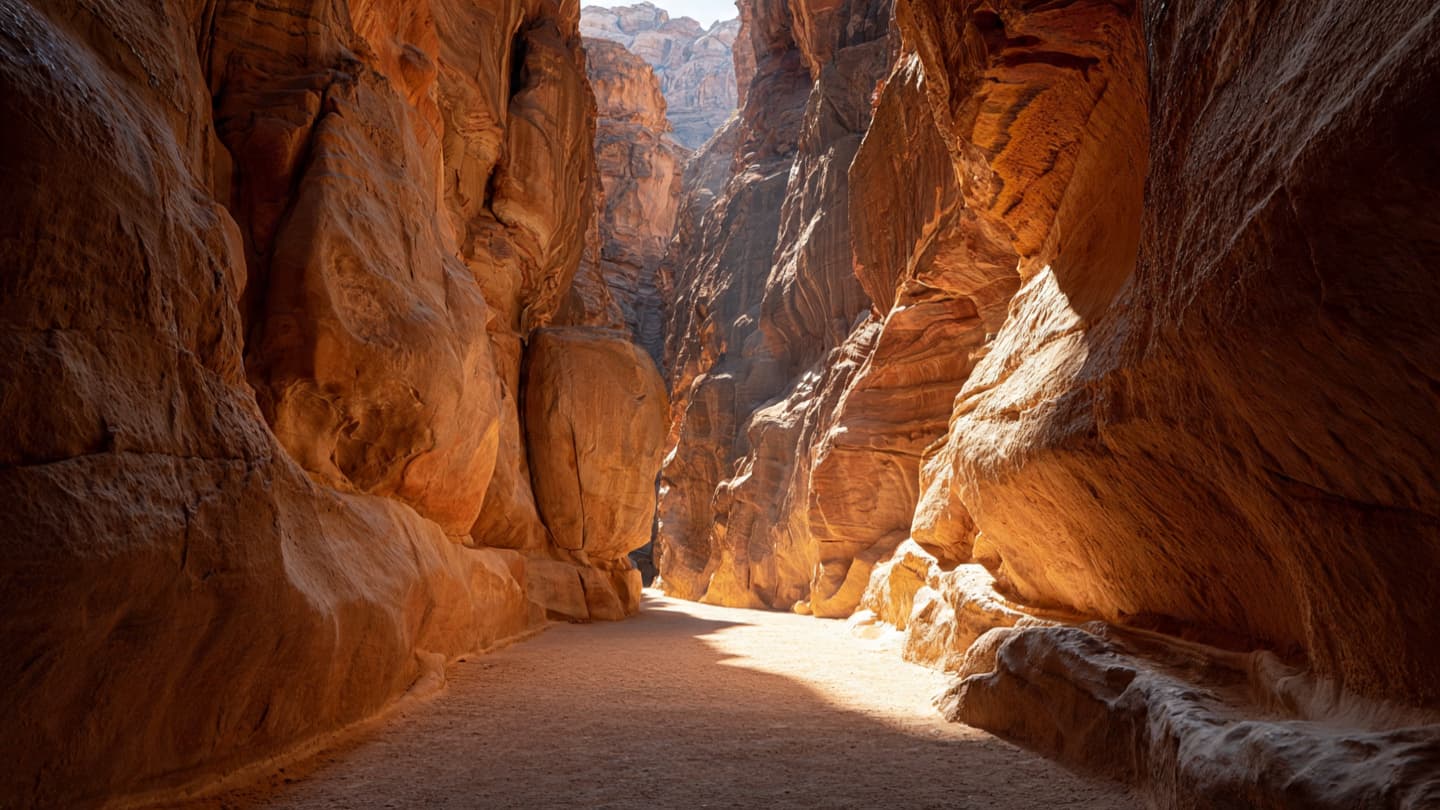
Before choosing a trail, it helps to understand the basic layout of Petra. Most visitors enter through the main visitor center near Wadi Musa. From there, the path leads through the Siq, a narrow sandstone gorge that opens dramatically in front of the Treasury. This is the classic entrance route and the most common way to begin a visit.
After the Treasury, the main path continues through the Street of Facades, past the theater, toward the Royal Tombs, the colonnaded street, Qasr al-Bint, and the lower basin area. This central route is often called the main trail. It is where many visitors spend most of their time. It is also the starting point or connection point for several longer routes.
The Monastery Trail begins deeper inside the site and requires a long climb up many stone steps. The High Place of Sacrifice Trail climbs from near the main route to a high ceremonial area with excellent views. The Wadi Farasa route can be connected with the High Place trail and offers a quieter descent through tombs and carved monuments. There are also routes connected to Little Petra, back trails, and viewpoints that require more planning.
Distances can feel longer than expected because Petra is hot, exposed, and uneven. A route that looks simple on a map may take more time because of stairs, sand, sun, and photo stops. This is why many travelers benefit from a two-day Petra ticket instead of trying to rush everything in one day. With more time, you can visit the Treasury early, explore the main monuments, and then choose one or two trails without feeling exhausted.
Best Petra Trails Most Visitors Miss
These routes are some of the best ways to experience Petra beyond the Treasury. Some are famous but still skipped by many rushed visitors, while others feel quieter because they require more time, effort, or planning.
- The Monastery Trail
This is one of Petra’s greatest walks. The trail leads to Ad Deir, commonly known as the Monastery, a massive rock-cut monument that feels even more dramatic because of the climb required to reach it. The route includes many stone steps and can be tiring in hot weather, but the reward is one of Petra’s most impressive sights. Many visitors say the Monastery feels more peaceful than the Treasury because fewer people make the full climb. - The High Place of Sacrifice Trail
This trail climbs above the main city to a ceremonial high place used by the Nabataeans. The route is steep, but it offers wide views over Petra, Wadi Musa, and the surrounding mountains. It is a strong choice for travelers who want a mix of hiking, history, and photography. The trail can also connect to Wadi Farasa for a longer and more varied route. - Wadi Farasa Trail
Wadi Farasa is one of the most rewarding quieter routes in Petra. It passes monuments such as the Garden Triclinium, Roman Soldier Tomb, and Renaissance Tomb. The atmosphere is less crowded than the main trail, and the route gives you a better sense of Petra as a landscape filled with smaller discoveries. It works especially well after visiting the High Place of Sacrifice. - The Royal Tombs Area
Many visitors see the Royal Tombs from below but do not spend enough time exploring them closely. This area includes large façades such as the Urn Tomb, Silk Tomb, Corinthian Tomb, and Palace Tomb. The colors of the sandstone can be beautiful in soft light, and the elevated position gives good views back over the main route. - The Treasury Viewpoint Routes
Several viewpoints offer elevated views of the Treasury, but travelers should choose legal and safe routes only. Some unofficial paths can be risky or restricted. A guided route can help if you want the classic view from above without taking unnecessary chances. - Little Petra to the Monastery Route
This longer back route is best for fit travelers with proper planning or a guide. It connects the Little Petra area with the Monastery and offers a different way to enter the wider Petra landscape. It is not the right choice for everyone, but it can be excellent for travelers who want a more adventurous day.
The Monastery Trail: Petra’s Most Rewarding Climb
The Monastery Trail is one of the most popular ways to experience Petra beyond the Treasury, yet many visitors still skip it because of the climb. The route starts from the lower basin area after the main monuments and leads uphill through a long staircase carved and worn into the landscape. It can be hot, dusty, and tiring, especially in the middle of the day, but it is also one of the most memorable walks in Jordan.
The Monastery itself is enormous. Its façade is wider and more open than the Treasury, and the surrounding area gives it a different feeling. Instead of appearing suddenly at the end of a narrow gorge, the Monastery stands in a broad mountain setting. This makes the arrival feel like a reward after effort. The space around it also allows visitors to sit, rest, and take in the monument from different angles.
One reason the Monastery Trail feels special is the gradual change in atmosphere. As you climb, the busy lower areas begin to feel far away. You pass rock formations, small stalls, viewpoints, and stone steps that show how deeply the route has been used over time. The journey becomes part of the attraction, not just the monument at the end.
The best time to do this trail is usually early in the morning or later in the afternoon, depending on heat, opening hours, and your overall plan. Avoid starting when you are already tired or dehydrated. Wear proper shoes, carry enough water, and give yourself time to rest. If you only have energy for one major hike in Petra, the Monastery Trail is one of the strongest choices.
The High Place of Sacrifice and Wadi Farasa Route
The High Place of Sacrifice Trail is one of Petra’s most powerful routes because it combines height, history, and silence. The path climbs from the main area through ancient steps toward a high ceremonial site. From the top, you can look across Petra’s mountains and valleys, which helps you understand the scale of the ancient city. The view alone makes the climb worthwhile.
The high place was connected to Nabataean religious practice. Standing there, you can see why elevated locations mattered. The landscape feels open and dramatic, with the city below and mountains stretching into the distance. This is one of the moments when Petra becomes more than architecture. It becomes a sacred and geographic landscape shaped by belief, movement, and survival.
Many travelers return the same way after reaching the top, but a more rewarding option is to continue down through Wadi Farasa. This descent passes quieter monuments that many visitors miss, including carved tombs and triclinium spaces. The route feels more exploratory than the main trail. It gives you the sense of walking through side chapters of Petra’s story.
This route is best for travelers with good mobility and enough time. It involves steep sections, uneven surfaces, and exposure to the sun. It is not the easiest path in Petra, but it is one of the most meaningful. If the Treasury is Petra’s famous introduction, the High Place and Wadi Farasa route is where the site starts to feel personal and layered.
The Royal Tombs and Viewpoints
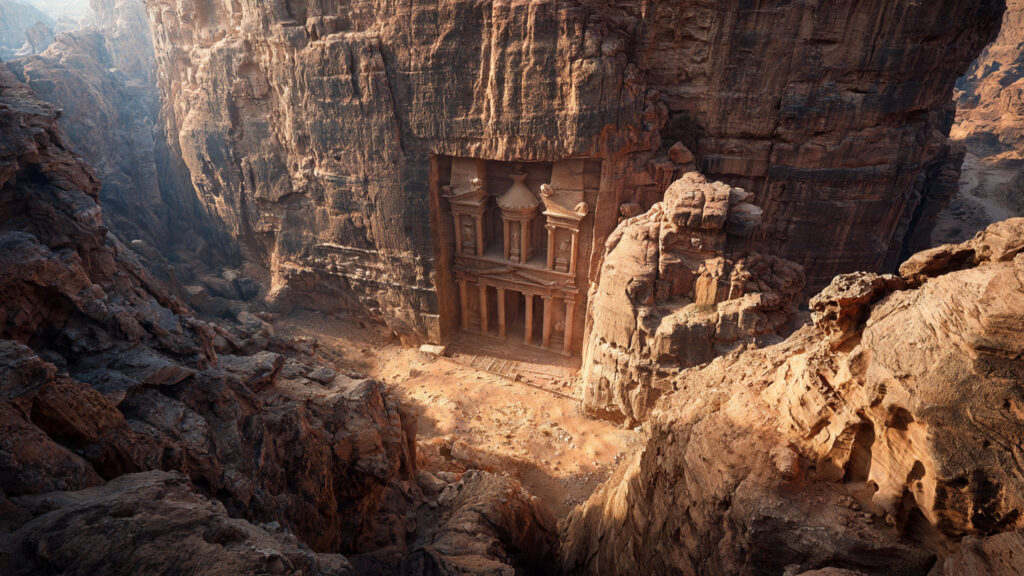
The Royal Tombs are easy to see from the main trail, but many visitors do not give them enough time. This is a mistake. The tombs are some of the most impressive monuments in Petra, and they are much more powerful when viewed up close. Their size, carved details, and natural sandstone colors make them one of the best areas to slow down.
The Urn Tomb, Silk Tomb, Corinthian Tomb, and Palace Tomb each have a different character. Some impress through scale, while others stand out because of the patterns and colors in the rock. The Silk Tomb, in particular, can show beautiful natural bands of red, orange, pink, and white sandstone. These colors change depending on the time of day and the angle of the light.
The elevated position of the Royal Tombs also gives you a useful view over the main route. From here, you can look back toward the theater, the valley, and the flow of visitors moving through Petra. It is a good place to pause and understand how the city opens after the narrow Siq.
The Royal Tombs area is also a practical option for travelers who do not want a long, difficult hike. It still involves steps and uneven ground, but it is easier to fit into a one-day visit than the longer trails. If you are short on time but still want to explore Petra beyond the Treasury, this area should be high on your list.
How to Plan Your Petra Hiking Day
A good Petra hiking day begins early. The site is more peaceful in the morning, the light is softer, and the temperature is usually more comfortable. Starting early also gives you a better chance to see the Treasury before the largest crowds arrive. After that, you can continue deeper into the site and choose a trail based on your energy level.
If you have only one day, focus on quality instead of quantity. Walk through the Siq, see the Treasury, continue along the main trail, explore the Royal Tombs, and choose either the Monastery Trail or the High Place of Sacrifice route. Trying to do every major route in one day can make the visit feel rushed and exhausting.
With two days, Petra becomes much easier to enjoy. One day can focus on the classic route, the Treasury, Royal Tombs, and the Monastery. The second day can be used for the High Place of Sacrifice, Wadi Farasa, viewpoints, or a slower photography-focused visit. This gives you time to appreciate the site instead of simply crossing places off a list.
Weather should guide your plan. In warm months, avoid the hardest climbs during peak afternoon heat. Carry more water than you think you need, and take breaks in shade whenever possible. Petra rewards patience. The best memories often happen when you slow down, sit quietly, and let the landscape reveal itself.
What to Pack and Know Before You Hike
Packing correctly makes a big difference when exploring Petra beyond the Treasury. The site is large, dry, and exposed, so comfort and safety should come before style. Bring only what you need, but make sure the essentials are covered.
- Comfortable walking shoes: Petra has stone steps, sand, uneven paths, and steep sections.
- Reusable water bottle or hydration pack: Carry enough water, especially for the Monastery or High Place routes.
- Sun protection: Bring sunscreen, sunglasses, and a hat.
- Light breathable clothing: Choose clothing that protects your skin while staying comfortable in heat.
- Small daypack: Keep your hands free while walking or climbing steps.
- Snacks: Energy bars, nuts, or fruit can help during longer trails.
- Offline map or trail app: Mobile signal can vary, so do not depend only on live navigation.
- Cash: Small notes are useful for drinks, snacks, tips, or local services.
- Camera or phone protection: Dust and sand can be a problem.
- Respectful attitude: Petra is both a tourist destination and a protected heritage site.
Do not underestimate the size of Petra. Even the main trail involves a lot of walking before you begin any side route. Pace yourself and avoid starting a difficult trail too late in the day. If you are unsure about a route, ask official staff or hire a licensed local guide.
Responsible Travel in Petra
Exploring Petra beyond the Treasury also means traveling responsibly. Petra is not only a beautiful place; it is a fragile archaeological site with deep cultural and historical value. The sandstone monuments are affected by weather, erosion, tourism pressure, and time. Visitors should avoid touching carvings, climbing on restricted areas, or entering closed spaces.
Stay on marked or permitted trails whenever possible. Shortcuts can damage archaeological surfaces and increase erosion. They can also be dangerous, especially on steep sandstone. If a viewpoint route is unclear, ask before going. A photo is never worth risking injury or damaging a protected site.
Responsible travel also includes respect for local communities. Many people around Petra depend on tourism for income. Buy from local businesses when appropriate, speak politely, and agree on prices before accepting services. If using animals, pay attention to their condition and choose operators carefully. Walking is often the best option if you are physically able.
The best visitors leave Petra with more than photos. They leave with an understanding that the site is both ancient and living, protected and pressured, famous and still full of quiet corners. Traveling responsibly helps ensure that future visitors can also experience Petra beyond the Treasury in a meaningful way.
Is Exploring Petra Beyond the Treasury Worth It?
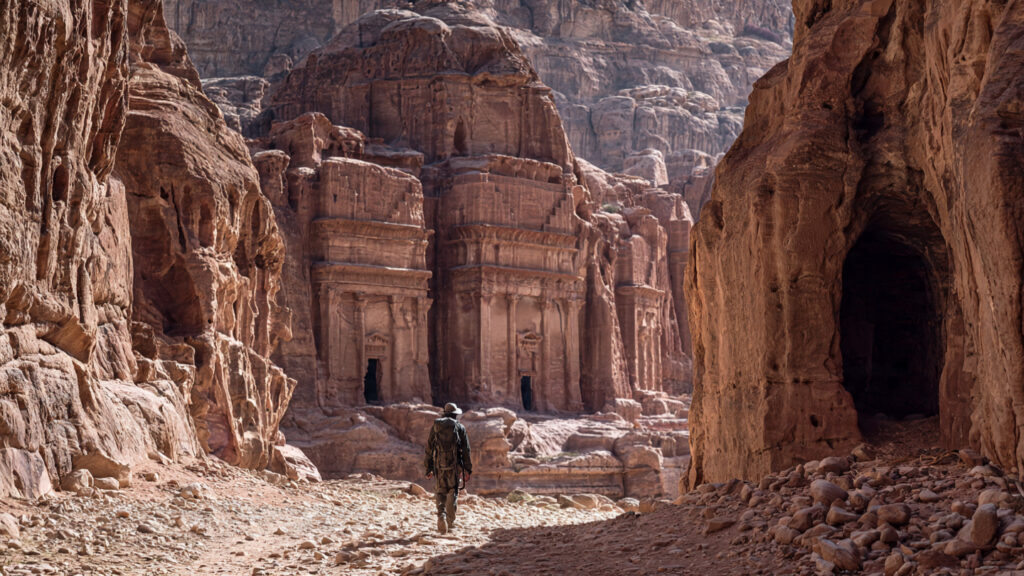
Exploring Petra beyond the Treasury is absolutely worth it for travelers who want a deeper experience. The Treasury may be the image that brings people to Petra, but the trails are what make many visitors fall in love with the place. They reveal the scale of the ancient city and show how architecture, landscape, and culture are connected.
The Monastery Trail gives you a sense of achievement. The High Place of Sacrifice gives you perspective. Wadi Farasa gives you quiet discovery. The Royal Tombs give you detail and color. Together, these areas prove that Petra is not a single monument but a complete historical landscape.
For first-time visitors, the best advice is simple: see the Treasury, but do not stop there. Walk farther. Climb higher if you can. Give Petra at least one full day, and two days if your schedule allows. The more patient you are, the more Petra gives back.
References
- UNESCO World Heritage Centre — Petra: UNESCO describes Petra as a Nabataean caravan city, partly built and partly carved into rock, surrounded by mountains, passages, and gorges.
- Petra Tourism Development Region Authority — High Place Trail: Official Petra trail information describes the High Place Trail as a difficult route that takes around 3 to 3.5 hours and connects to Wadi Farasa.