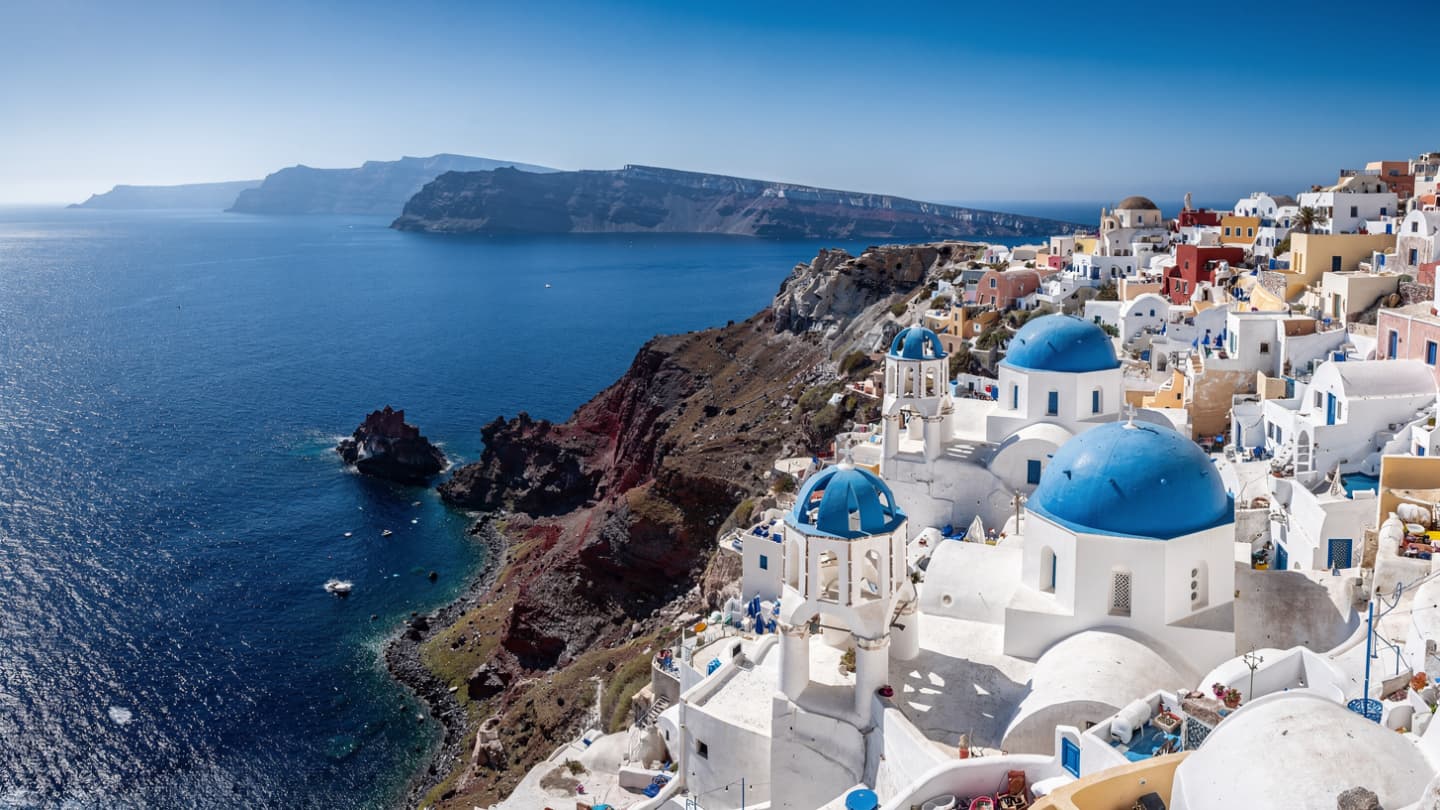
Magic happens when you first step onto Greek soil. You smell wild thyme on the breeze. You see brilliant white-washed walls against a deep blue sky. A resonant hum of history vibrates beneath your feet. This greece travel guide captures that essence while providing practical tips for your journey. Greece offers more than just a beach vacation; it is a full sensory immersion. Many travelers dream of the Santorini caldera, but the reality of the country is far more expansive. Rugged mountains, sprawling olive groves, and ancient cities define this landscape. This guide bridges the gap between famous postcards and hidden corners. We provide a roadmap to navigate both the legendary islands and the soulful mainland.
The Timeless Appeal of Athens and the Mainland
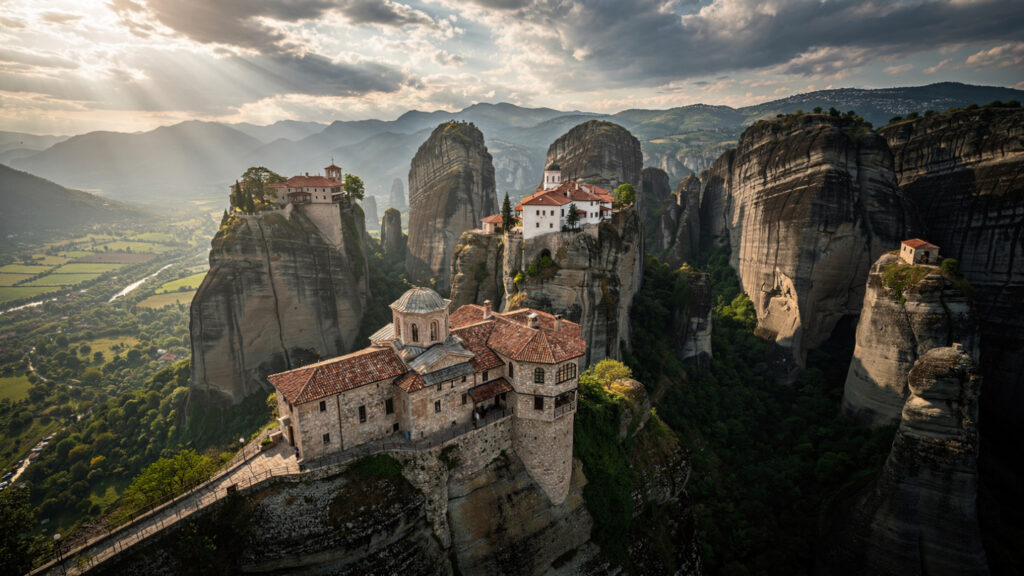
Many travelers treat Athens as a quick stop before the ferry docks. However, the capital city deserves a deeper look. It is a vibrant sprawl where the 5th century BC meets the modern world. When you stand atop the Acropolis, you see the blueprint of Western thought. The Parthenon remains the crowning jewel of the city. Nearby, neighborhoods like Plaka and Psirri offer narrow streets filled with artisan shops. Beyond the capital, the mainland reveals layers of deep history. You can visit the ancient oracle at Delphi or the suspended monasteries of Meteora. These sites provide a sense of tradition often lost in high-turnover island tourism. The mainland is the heart of the Balkan peninsula.
Planning Your Logistics and Best Time to Visit
Timing your Greek odyssey requires a balance of weather and cost. July brings intense heat and large crowds. The energy is electric, but the temperatures are often punishing. Instead, consider the shoulder seasons of May, June, or September. During these months, the Aegean stays warm and the wildflowers bloom. Local shopkeepers also have more time for a friendly chat. Logistics are another vital part of your trip. Greece operates a robust ferry system, but it requires savvy planning. Fast catamarans save time but feel bumpy in high winds. Large, slow ferries offer a romantic journey across the sea. Smart travelers often use domestic flights from Athens to reach hubs like Rhodes or Crete quickly.
Essential Travel Tips for a Smooth Journey
- Embrace the Siesta: Many shops close between 2:00 PM and 5:00 PM; use this time to nap or enjoy a slow lunch.
- Carry Physical Cash: Small family-run tavernas in mountain villages often only accept Euros.
- Validate Your Tickets: Always validate your metro or bus tickets at the machines to avoid immediate fines.
- Water Awareness: Some islands have ancient plumbing; follow signs regarding toilet paper and drink bottled water.
- Pack for Cobblestones: Leave the high heels at home; Greek streets are notoriously uneven and slippery.
- Tipping Culture: Service is usually included, but leaving a few extra Euros is a kind gesture for good service.
Navigating the Enchanting Cyclades Island Chain
The Cyclades represent the Greece of your imagination. This archipelago in the Aegean features stark volcanic landscapes and iconic sugar-cube architecture. Santorini offers dramatic caldera views and world-class luxury. Mykonos provides a cosmopolitan playground for social travelers. However, a complete greece travel guide must also mention quieter gems like Milos or Sifnos. These islands offer incredible geology and traditional food without the suffocating crowds. The beauty of the Cyclades lies in their proximity to each other. Island-hopping here is an art form. You can experience a high-octane party island one day and a secluded, silent cove the next.
Discovering the Rich History of the Peloponnese
To walk through the pages of Homer’s Iliad, you must head to the Peloponnese. This massive peninsula serves as the heartland of Greek mythology. You can stand in the lion gates of Mycenae or explore the theater of Epidaurus. This ancient site is famous for its perfect acoustics. You might also wander through the haunting ruins of Mystras. The landscape features the Taygetos Mountains and vast plains of citrus trees. This region feels grounded and ancient. Locals still debate politics in traditional coffee houses over thick Greek coffee. The harvest dictates the pace of life here, not a cruise ship schedule. This area is perfect for those who prefer history and hiking.
Exploring the Large and Diverse Island of Crete
Crete is so vast that it feels like its own country. It is an island of extremes with snow-capped mountains and tropical beaches. The Cretan people are famous for their independence and legendary hospitality. They often welcome strangers with a glass of “tsikoudia,” a strong grape brandy. History buffs will love the Palace of Knossos, the center of Minoan civilization. Nature lovers can trek the sixteen-kilometer Samaria Gorge for a challenge. The food here is a major highlight. Cretan cuisine relies on mountain herbs and local goat cheese. Try the “dakos,” a rugged barley rusk topped with fresh tomatoes and feta. It tastes like the essence of the Mediterranean sun.
Highlights of Greek Gastronomy and Dining Etiquette
- Order for the Table: Dining is a communal act; order various “mezedes” and let everyone share the flavors.
- House Wine is Great: Don’t fear the “krasi se karafi” (house wine); it is usually local and high quality.
- The Bread Charge: Tavernas often add a small cover charge for bread and water; this is standard practice.
- Follow the Seasons: Greeks take pride in using produce at its peak; if it isn’t in season, don’t expect it.
- Ask for Daily Specials: Many tavernas have a “ladera” dish of the day, which features vegetables cooked in olive oil.
The Lush Landscapes of the Ionian Islands
The Ionian Islands offer a contrast to the dry Aegean. Higher rainfall makes islands like Corfu and Cephalonia very green. Dense forests of cypress and olive trees carpet the hills. The architecture tells a story of Venetian and British rule. You will see elegant town squares that feel more Italianate than Balkan. The Ionian Sea is famous for its neon-blue clarity. Shipwreck Beach in Zakynthos is a prime example of this beauty. Travelers who prefer a softer, shaded landscape will love this region. It also offers calmer sailing conditions than the windswept Cyclades. This greece travel guide recommends the Ionians for a refreshing and lush Mediterranean experience.
Immersing Yourself in Local Culture and Traditions
To truly experience Greece, you must understand “filoxenia.” This means the love of strangers. It is a cultural mandate that dates back to ancient times. You see it when a grandmother offers you fruit from her garden. You see it when a taverna owner explains his village’s history. To experience this, seek out local festivals called “panigiria.” These multi-generational celebrations involve live music and traditional dancing. Engage with locals using a few Greek words and a genuine smile. This human connection transforms a standard vacation into a lifelong memory. The best experiences in Greece are often the ones you did not plan. Open your heart to the unexpected magic of the land.
References
- Visit Greece (Official Tourism Site): The definitive national resource for travel guides, regional festivals, and official cultural heritage information across all Greek territories.
- The Greek Ministry of Culture: A vital source for verified historical data and entry requirements for major archaeological sites and museums, including the management of World Heritage sites like the Acropolis.