Vietnam demands your full attention. It stretches over 1,600 kilometers from rugged northern mountains to lush southern deltas. Traveling from Hanoi to Ho Chi Minh City is more than a simple transit. Instead, it is an immersion into a land of deep history and vibrant street life. This Vietnam Travel Guide serves as your professional companion. We ensure that every stop is meaningful. Furthermore, we help you optimize every mile of your discovery.
The Strategic Importance of North to South Planning
Most travelers choose the North to South route for its logical flow. Consequently, this path allows for a gradual transition through diverse cultural layers. You start in Hanoi, the thousand-year-old capital. This city introduces you to the traditional soul of the nation. Ancient temples and French colonial architecture coexist here in narrow alleys. As you move southward, the climate warms and life accelerates. Eventually, you reach the high-energy skyline of Ho Chi Minh City. This Vietnam Travel Guide emphasizes that the route aligns perfectly with the main transport artery. Therefore, logistics remain straightforward for every international visitor.
Navigating the Seasonal Weather Patterns of Vietnam
Planning your trip requires a clear understanding of three distinct climate zones. The North experiences four true seasons. For instance, a chilly winter might surprise those expecting tropical heat. Meanwhile, Central Vietnam often faces heavy rainfall and typhoons during the late months. In contrast, the South remains consistently warm. It divides its year simply into wet and dry seasons. A professional Vietnam Travel Guide must highlight the ideal travel window. Typically, travelers should visit between March and May. During these months, the weather stays moderate and dry across almost all regions.
Immersion in the Cultural Heritage of the North
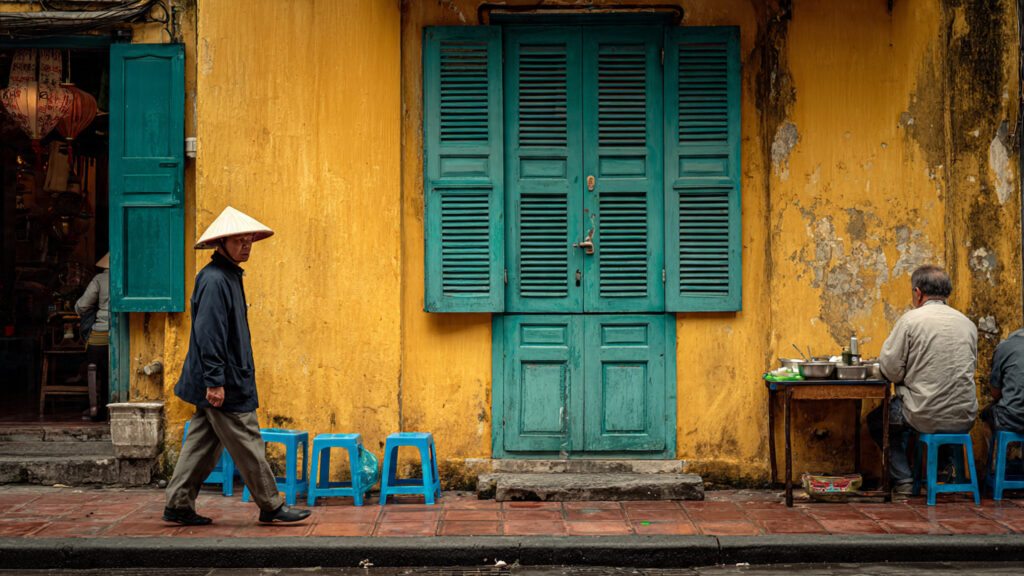
The journey begins in Hanoi. This city rewards the patient traveler who looks past the initial motorbike chaos. Specifically, the focus stays on slow exploration. You can enjoy serene morning rituals around Hoak Kiem Lake. Afterward, visit the scholarly Temple of Literature. This region also acts as the primary gateway to Ha Long Bay. You can easily reach the emerald rice terraces of Sapa from here. Within this Vietnam Travel Guide, we identify the North as the cradle of culture. Locals still preserve traditional arts like water puppetry. Moreover, they maintain the meticulous preparation of Pho Bac as a central part of their identity.
Logistics and Transportation Between Major Hubs
Moving between cities is now significantly more efficient. Today, Vietnam offers travelers many professional options. Domestic flight networks connect all major points of interest. These flights provide a time-saving alternative for those on a tight schedule. However, many people prefer a more authentic perspective. Consequently, this Vietnam Travel Guide recommends the scenic rail journeys. Luxury sleeper buses are also gaining popularity along the coast. You must learn to navigate these systems effectively. For example, ride-hailing apps like Grab make local transit essential and stress-free.
Essential Experiences for Every Traveler
(Section 1 of 2 with Bullet Points)
To maximize your adventure, ensure your itinerary includes these quintessential activities:
- A Multi-Day Cruise in Lan Ha Bay: This offers a quieter alternative to Ha Long Bay with pristine views.
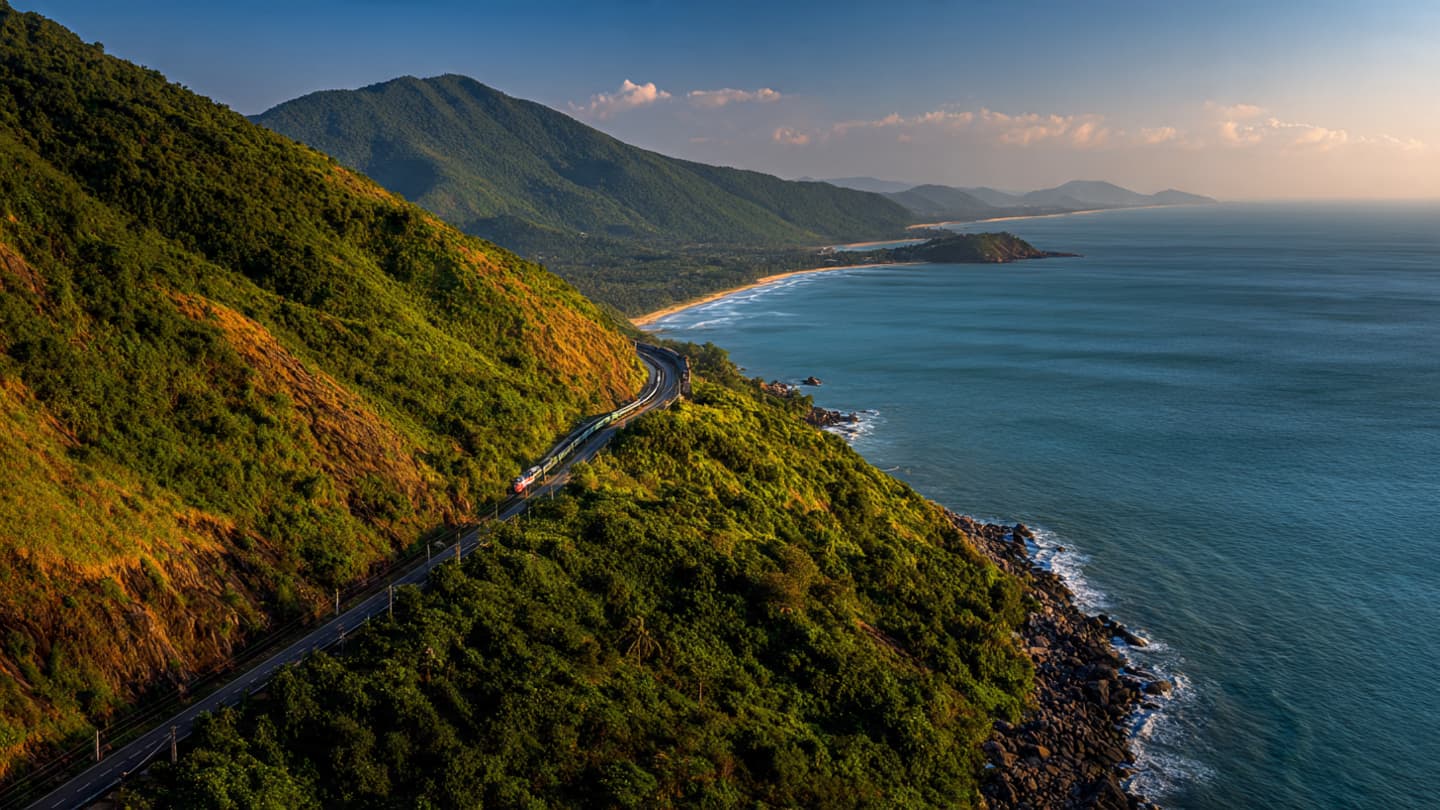
- The Hai Van Pass Tour: Many riders consider this the most beautiful coastal road in the entire world.
- Tailoring in Hoi An: Visit this famous hub to get high-quality, custom-made clothing in under 24 hours.
- Mekong Delta Exploration: Drift through floating markets to see how life revolves around the water.
- War Remnants Museum: This site provides a sobering and essential understanding of modern history.
The Central Region as a Culinary and Historic Bridge
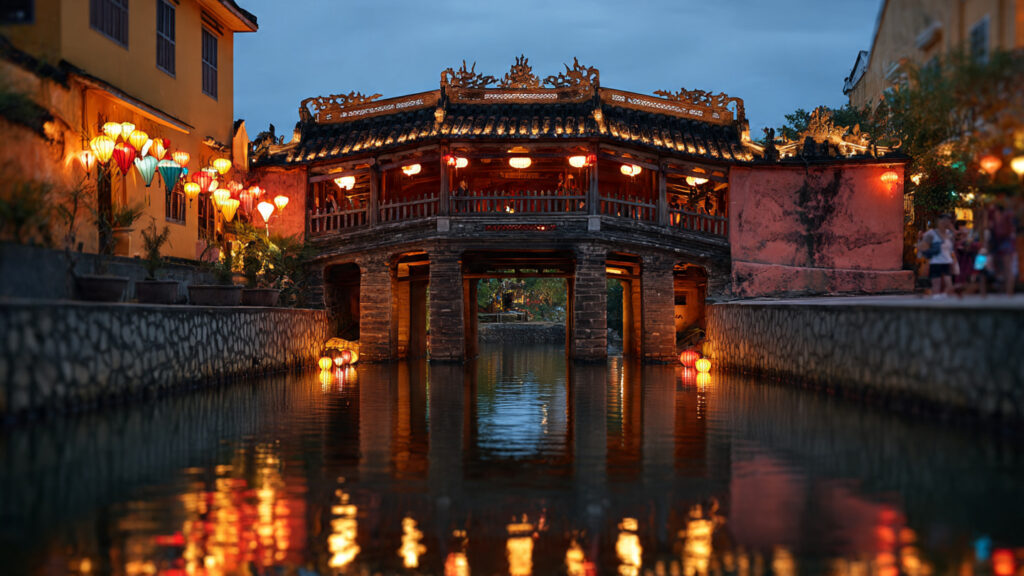
Central Vietnam offers a distinct change of pace. The imperial grandeur of Hue and the charm of Hoi An define this area. This middle ground is where flavors become spicier. Furthermore, the architecture reflects a unique blend of indigenous and foreign influences. This Vietnam Travel Guide considers the Central region the “soul” of the country. Here, the history of the Nguyen Dynasty meets the modern beaches of Da Nang. This area encourages travelers to pause their transit. You should spend extra days soaking in the atmosphere of a bygone era.
Understanding Local Etiquette and Social Norms
Respectful engagement is a cornerstone of professional travel. Vietnam has specific social nuances that you should observe. For example, modest dress is required when visiting pagodas. You must cover your shoulders and knees. This Vietnam Travel Guide also points out that the concept of “face” is vital. Always maintain a calm and polite demeanor during negotiations. Outward displays of frustration rarely help. Additionally, learning basic phrases like “Xin Chao” (Hello) goes a long way. These small efforts foster genuine connections with the local people.
Financial Planning and Currency Management
(Section 2 of 2 with Bullet Points)
Managing your finances effectively is key to a smooth journey:
- Currency Basics: The Vietnamese Dong (VND) is the official currency; always carry cash for street food.
- ATM Usage: Look for international banks in major cities to avoid high fees and low limits.
- Tipping Culture: Tipping is not mandatory, but guides and drivers increasingly appreciate small gestures.
- Bargaining Strategy: Negotiate prices in local markets with a smile to find a fair value for everyone.
- Digital Payments: Urban cafes and modern shops now widely accept Apple Pay and QR codes.
Exploring the Modern Energy of the South
Your journey concludes in Ho Chi Minh City. This metropolis clearly represents the future of the nation. The South thrives on an entrepreneurial spirit and a sophisticated coffee culture. This Vietnam Travel Guide notes that the city is a commercial powerhouse. Nevertheless, it retains deep links to its past. You can still see French-built landmarks like the Central Post Office. The contrast between colonial architecture and the Bitexco Tower is striking. It encapsulates the rapid evolution you witnessed throughout your entire North to South traverse.
Final Preparations for Your Vietnam Adventure
A full transit of Vietnam is a profound achievement. It offers a panoramic view of a resilient and beautiful nation. By prioritizing the advice in this Vietnam Travel Guide, you ensure sound logistics. Your cultural interactions will be respectful and your experiences will be diverse. The path from Hanoi to the vibrant pulse of the South is waiting. It offers a sequence of memories that will last a lifetime. Prepare your documents and pack for varied climates. Step into a journey that remains an essential rite of passage for any serious traveler.
References
- Vietnam National Authority of Tourism: This is the official government portal for managing international arrivals, providing the latest visa regulations, safety protocols, and regional festival calendars.
- The World Bank – Vietnam Overview: This source offers professional data and annual reports regarding the country’s economic trajectory, infrastructure development, and sustainable tourism growth.