Exploring the cultural landscape of Europe does not require a massive travel budget. Therefore, travelers can easily find the best free museums across the continent. While iconic, ticketed institutions often dominate travel itineraries, several major European cities host spectacular cultural repositories that charge absolutely no admission fee. These spaces regularly match or exceed the educational value of nearby paid counters. Consequently, you can experience world-class masterworks without facing typical financial strains.
Understanding where to find these institutions allows you to build an optimized itinerary. Thus, you can balance deep historical immersion with financial efficiency. From London to Paris, these locations challenge the notion that top-tier historical collections must require a ticket. They offer open, democratic access to human history, visual arts, and scientific discovery. Ultimately, they prove that the finest cultural experiences are often completely open to the public.
Best Free Museums Offer Premium Historical Value

The phrase best free museums highlights a unique aspect of European travel. Specifically, municipal funding and national policy keep premier historical collections accessible to everyone. In cities like London, Paris, and Madrid, public funding ensures that permanent exhibitions remain free of charge. This model contrasts sharply with private or national galleries that rely on steep ticket pricing. Therefore, savvy travelers can deliberately plan routes around these open-access spots. As a result, you bypass massive ticket counters while still enjoying world-class curation.
The British Museum Outshines Costly Historical Exhibits
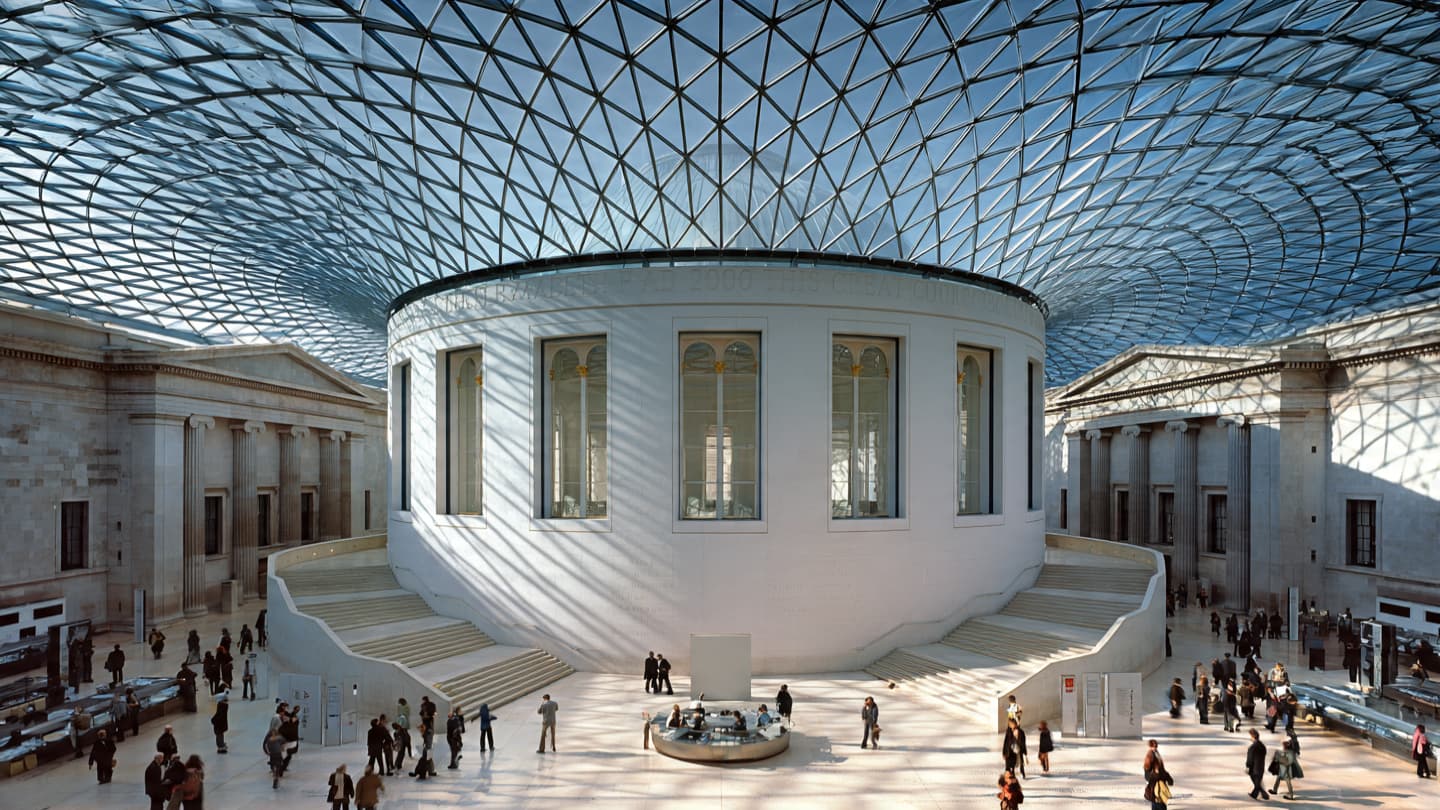
Located in Bloomsbury, London, the British Museum serves as a spectacular monument to human history. It holds an extensive permanent collection that spans over two million years of human civilization. For this reason, visitors can walk into the stunning, glass-roofed Great Court without a ticket. You can explore dedicated galleries featuring iconic ancient treasures without spending a single penny. Furthermore, the immense scale of the building ensures a comprehensive journey through global history. Consequently, it leaves many nearby private historical attractions looking small by comparison.
Choosing this public institution over expensive, ticketed displays in central London provides an uncompromised experience. The museum manages iconic archaeological discoveries, including the original Rosetta Stone and the intricate Parthenon Sculptures. In addition, it houses an unparalleled collection of Egyptian mummies. The depth of documentation, expert curation, and sheer variety of artifacts offer a profound understanding of global civilizations. This remarkable preservation work makes it an essential destination. Indeed, it easily surpasses the depth of paid alternatives nearby.
National Gallery Tops Premium Private Art Collections
Perched majestically on Trafalgar Square, the National Gallery houses one of the finest collections of Western European paintings. The grand rooms hold over two thousand masterpieces spanning from the mid-thirteenth century to the early twentieth century. Because the permanent collection is completely free to enter, art enthusiasts can admire legendary brushwork easily. You do not need to pay high entry fees standard at private central galleries. In fact, the open layout encourages multiple visits to study the evolution of art at a relaxed pace.
The artistic value found inside this public gallery frequently overshadows the offerings of nearby commercial art spaces. For example, visitors can stand inches away from world-famous canvases, including Vincent van Gogh’s vibrant Sunflowers. You can also view Leonardo da Vinci’s masterful The Virgin of the Rocks. The historical significance of these individual works provides an immersive experience that commercial spaces cannot match. Thus, this public institution proves that encountering monumental art does not have to come with a premium price tag.
Tate Modern Surpasses Expensive Contemporary Galleries
Housed inside the industrial shell of the former Bankside Power Station, Tate Modern stands as a global powerhouse. It is widely considered one of the best free museums for modern and contemporary art. The massive Turbine Hall welcomes visitors with large-scale installations before guiding them to multi-level galleries. Because the vast permanent collection is entirely free, this museum offers an accessible alternative to boutique venues. Therefore, you can avoid venues that charge steep admission prices for smaller exhibitions.
The sheer variety of iconic modern works on display makes this institution a superior option for art lovers. The permanent galleries house monumental creations by master artists, including Pablo Picasso, Mark Rothko, and Andy Warhol. Additionally, the architectural scale of the building creates a unique atmosphere where industrial history meets creative expression. This combination ensures a compelling aesthetic journey that rivals any paid contemporary art showcase in the region.
Victoria and Albert Museum Rivals Elite Design Showcases
The Victoria and Albert Museum in South Kensington serves as the ultimate global authority on decorative arts. Its breathtaking Victorian galleries house an extensive collection representing over five thousand years of human creativity. Fortunately, the open-access policy allows guests to wander through sprawling halls dedicated to textiles, ceramics, and jewelry. You can explore these treasures without purchasing a ticket. For this reason, the venue provides a standard of design education that boutique, paid fashion exhibits rarely achieve.
The unique architectural layout and curated treasures inside this venue offer an incredible experience. For instance, the famous Cast Courts contain immense plaster replicas of classical Italian monuments. Galleries display historic clothing styles alongside modern fashion breakthroughs, charting the evolution of human style across centuries. This deep, cross-cultural exploration provides an enriching experience. Consequently, it easily outperforms smaller commercial design museums nearby.
Natural History Museum Beats Commercial Science Centers
Housed within an architectural masterpiece, the Natural History Museum provides an unforgettable look at the wonders of our planet. The grand Romanesque building features intricate terracotta tiles that depict living and extinct species. Admission to the permanent galleries is completely free of charge. Therefore, it serves as a much better alternative to commercial science centers that require expensive family tickets for basic entry.
The immense scientific value stored inside this historic institution keeps visitors engaged across dozens of specialized galleries. First, the towering blue whale skeleton suspended from the ceiling in Hintze Hall greets arrivals. Next, it leads them to extensive dinosaur galleries, rare gemstone vaults, and deep fossil records. The combination of historical architecture and world-class research exhibits provides a captivating educational journey. Obviously, this exceptional presentation makes the museum a premier destination for anyone curious about the natural world.
Petit Palais Outclasses Paid Fine Art Spaces in Paris
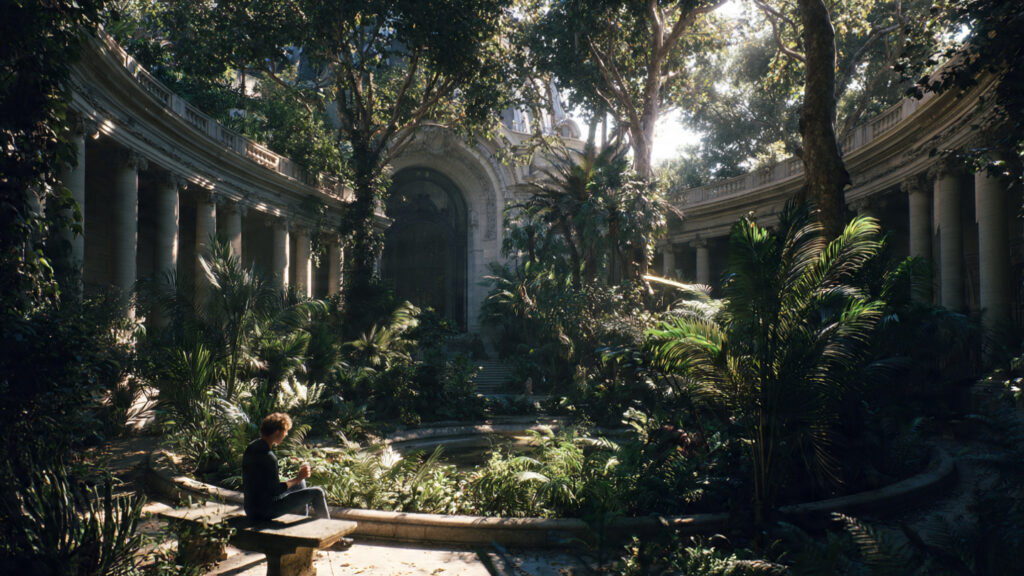
The Petit Palais, built for the 1900 Exposition Universelle, serves as the City of Paris Museum of Fine Arts. It ranks highly among the best free museums for classical art lovers. Located just across from its larger counterpart, this architectural jewel features glowing golden gates and an elegant circular courtyard. This tranquil public setting provides a wonderful alternative to the chaotic lines found at nearby commercial art galleries.
The masterworks displayed within these beautifully lit palatial halls rival those found in any premium ticketed gallery. The permanent collections feature brilliant artistic creations by renowned masters, including Rembrandt, Paul Cézanne, and Auguste Rodin. Furthermore, the museum blends fine art with spectacular decorative elements, stained-glass windows, and intricate mosaic floors. This harmonious setting creates an immersive viewing environment. As a result, paid alternatives feel needlessly expensive.
Musée d’Art Moderne de Paris Competes with Ticketed Venues
Situated along the banks of the Seine, the Musée d’Art Moderne de Paris provides a comprehensive, cost-free exploration. It covers the greatest modern art movements of the twentieth century. The building’s sweeping Art Deco architecture houses an impressive collection of thousands of artworks. Choosing this free public collection lets you dive into modern art history without paying steep entry fees.
The stunning scale of the artwork preserved here provides a memorable visual experience. For example, the crowning jewel of the museum is Raoul Dufy’s monumental mural La Fée Électricité. This breathtaking, 600-square-meter display features vibrant color and history. Additionally, the surrounding galleries display excellent works by Henri Matisse, Georges Braque, and Amedeo Modigliani. This incredible artistic density makes it an essential stop for anyone wanting to experience authentic French modern art.
Essential Travel Tips for Free European Museums
Maximizing a trip through Europe’s top free landmarks involves understanding the local operational patterns. While these landmarks do not require paid admission tickets, navigating their popularity requires careful strategy to ensure a smooth visit.
- Advance Time-Slot Bookings: Many world-class free museums require visitors to secure a free timed-entry ticket online before arrival to manage daily crowds.
- Weekday Morning Priority: Arriving at the entrance fifteen minutes before opening on a Tuesday or Wednesday helps you explore the most popular galleries before tour groups arrive.
- Audio Guide Alternatives: Downloading the official museum smartphone application onto your personal device before visiting provides free expert commentary without the cost of renting gear on-site.
- Special Exhibition Clarification: Always remember that while permanent collections are completely free, temporary traveling exhibitions held within the same building usually require a paid ticket.
- Secondary Entrance Options: Check the museum layout for alternative side entrances, which often have much shorter security lines than the main gates.
Architectural Highlights of Free Cultural Landmarks
The stunning design and history of Europe’s free public institutions often make the buildings just as captivating as the historic treasures stored inside them. These landmarks represent the pinnacle of public engineering and artistic ambition.
- The Great Court Canopy: The British Museum features an iconic, sweeping glass-and-steel roof designed by Norman Foster that beautifully connects the historic building with modern design.
- The Hintze Hall Architecture: The Natural History Museum in London boasts a grand Romanesque design complete with stunning stone archways and hand-painted ceiling panels.
- The Petit Palais Courtyard: This Paris destination features a peaceful, semi-circular inner courtyard surrounded by elegant columns, lush exotic plants, and beautiful mosaic walkways.
- The Bankside Power Station Shell: Tate Modern cleverly uses a massive mid-century industrial power plant, turning a giant turbine hall into an unconventional space for massive modern art pieces.
- The South Kensington Cast Courts: The Victoria and Albert Museum features soaring, multi-story galleries built specifically to hold enormous, full-scale plaster replicas of historic monuments.
References
- Mooseum (2024). Comprehensive Guide to Open-Access Cultural Institutions in Europe.
- Londonist Cultural Archives (2025). An Analytical Evaluation of Public and Admission-Free Municipal Museums in Metropolitan London.