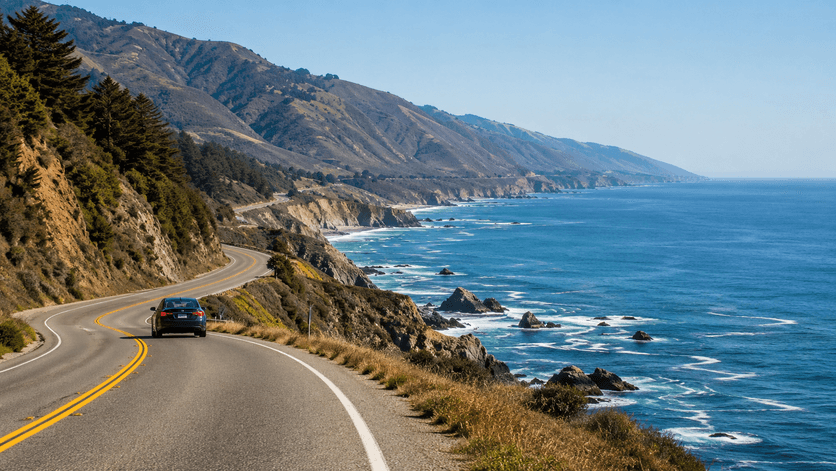
A Pacific Coast Highway Road Trip is one of the most iconic drives in the United States. With dramatic ocean cliffs, beach towns, redwood scenery, historic landmarks, and relaxed coastal cities, this route offers the kind of trip that feels both adventurous and easy to enjoy.
The most famous section follows California’s Highway 1, especially between San Francisco, Monterey, Big Sur, San Luis Obispo, Santa Barbara, and Los Angeles. Some travelers drive only the Central Coast, while others extend the journey north or south for a longer California road trip.
This guide will help you plan a smooth Pacific Coast Highway Road Trip, including the best direction to drive, how many days to spend, where to stop, what to expect, and how to make the journey feel relaxed instead of rushed.
Why the Pacific Coast Highway Road Trip Is So Popular
The Pacific Coast Highway Road Trip is popular because it combines natural beauty with easy access to great towns, food, viewpoints, and beaches. Unlike many road trips that require long stretches of empty highway, this route gives you something memorable every day.
The scenery changes often. One moment you may be driving beside wide sandy beaches, and the next you may be looking across rugged cliffs and deep blue water. Around Big Sur, the road becomes especially dramatic, with steep coastal edges, forested mountains, and famous viewpoints.
Another reason people love this road trip is flexibility. You can make it a romantic escape, a family vacation, a photography trip, a food-focused journey, or a slow coastal holiday. The route works well for first-time visitors to California, but it also rewards travelers who want to return and explore smaller towns more deeply.
A Pacific Coast Highway Road Trip is not only about reaching a final destination. The drive itself is the experience. The best moments often happen when you stop at an overlook, walk down to a beach, or take a quiet break in a small coastal town.
Best Direction to Drive the Pacific Coast Highway
For the best views, many travelers prefer driving from north to south. This means starting around San Francisco and heading toward Los Angeles or San Diego. When you drive south, the ocean is usually on your right side, making it easier to pull into viewpoints and enjoy the coastal scenery.
Driving north is still beautiful, and it may work better depending on your flight plans or itinerary. However, the southbound route feels more natural for sightseeing because many scenic pullouts sit on the ocean side of the road.
A good classic route is San Francisco to Los Angeles over five to seven days. This gives you enough time to enjoy Monterey, Carmel, Big Sur, San Luis Obispo, Santa Barbara, and Malibu without rushing too much.
If you only have three days, focus on a shorter section such as San Francisco to Santa Barbara or Monterey to Santa Barbara. If you have a full week or more, you can slow down, add beach time, explore wine regions, and stay overnight in smaller towns.
Before driving, check current Highway 1 conditions, especially around Big Sur. Coastal roads can be affected by storms, landslides, maintenance work, and temporary closures. Caltrans provides current California highway condition updates, and Visit California also recommends checking road conditions before traveling.
Ideal Pacific Coast Highway Road Trip Itinerary
A balanced Pacific Coast Highway Road Trip usually takes five to seven days. This pace gives you enough time to enjoy the coast without spending the whole trip inside the car.
A simple itinerary could start in San Francisco, where you can enjoy the Golden Gate Bridge, Fisherman’s Wharf, and nearby coastal viewpoints. From there, drive toward Santa Cruz for a relaxed beach-town feel before continuing to Monterey and Carmel-by-the-Sea.
The next major highlight is Big Sur, one of the most scenic parts of Highway 1. This is where the road feels wild, dramatic, and unforgettable. After Big Sur, continue toward San Simeon, Cambria, Morro Bay, and San Luis Obispo. These towns are great for slower travel, coastal walks, and casual food stops.
From the Central Coast, continue to Santa Barbara for Spanish-style architecture, beaches, wine tasting, and a more polished coastal city experience. Then finish the trip by driving through Ventura, Malibu, and into Los Angeles.
This route works well because the driving distances are manageable. You can start each morning without stress, enjoy several stops during the day, and arrive at your hotel before dark. That matters because the Pacific Coast Highway is best enjoyed slowly, especially where the road curves along cliffs and coastal hills.
Best Stops on a Pacific Coast Highway Road Trip
There are many great places to stop, but the best Pacific Coast Highway Road Trip stops depend on your travel style. Some travelers want beaches and viewpoints, while others prefer small towns, food, wine, and easy walks.
- San Francisco: A strong starting point with the Golden Gate Bridge, ocean views, neighborhoods, restaurants, and easy airport access.
- Half Moon Bay: A peaceful coastal stop with beaches, cliffs, and a slower pace just south of San Francisco.
- Santa Cruz: A classic California beach town known for surf culture, oceanfront energy, and a relaxed atmosphere.
- Monterey: A good overnight base with coastal walks, marine life, restaurants, and access to nearby Carmel.
- Carmel-by-the-Sea: A charming town with boutique streets, white-sand beach views, and a romantic village feel.
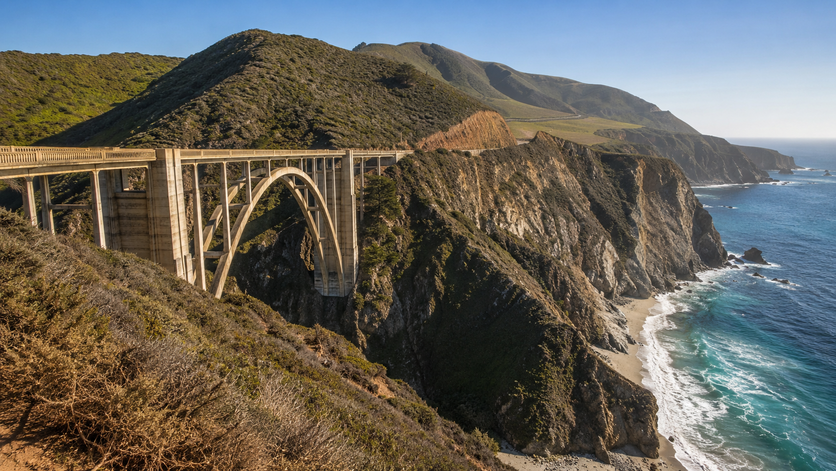
- Big Sur: The most dramatic section of the drive, with rugged cliffs, ocean views, bridges, forests, and famous viewpoints.
- San Simeon and Cambria: Good slower stops for coastal scenery, Hearst Castle, and a quieter overnight stay.
- Morro Bay: A relaxed town known for Morro Rock, waterfront views, kayaking, and seafood.
- San Luis Obispo: A friendly Central Coast city with restaurants, nearby wine regions, and a walkable downtown.
- Santa Barbara: A polished coastal city with beaches, Spanish-style architecture, shopping, and wine tasting.
- Malibu: A scenic final stretch before Los Angeles, with beaches, coastal restaurants, and oceanfront views.
Visit California highlights Highway 1 as a route with major stops including San Francisco, Santa Cruz, Carmel-by-the-Sea, Big Sur, Hearst Castle, Cambria, Santa Barbara, and Ventura, making it a strong reference route for planning.
How Many Days Do You Need for the Pacific Coast Highway
You can drive parts of the Pacific Coast Highway in a short time, but the trip is better when you slow down. A one-day drive is possible for a small section, but it does not give you enough time to enjoy the experience.
Three days is the minimum for a meaningful coastal road trip. With three days, you can focus on a section such as San Francisco to San Luis Obispo or Monterey to Santa Barbara. This works well if you want the scenery but have limited vacation time.
Five days is a better choice for most travelers. It gives you room to stay overnight in Monterey, Big Sur or Cambria, San Luis Obispo, and Santa Barbara. You can enjoy beaches, viewpoints, food stops, and short walks without feeling rushed.
Seven days is ideal if you want the full classic route from San Francisco to Los Angeles. With a week, you can include longer stops, rest mornings, sunset viewpoints, and extra time in places like Carmel, Big Sur, Morro Bay, and Santa Barbara.
The main mistake is trying to cover too much too quickly. The Pacific Coast Highway Road Trip should feel scenic and relaxed. If your schedule is too tight, every viewpoint becomes a quick photo stop instead of a real travel experience.
Best Time of Year for a Pacific Coast Highway Road Trip
The Pacific Coast Highway Road Trip can be beautiful year-round, but the experience changes by season. Spring is one of the best times because coastal hills can look fresh and green, flowers may appear in some areas, and temperatures are usually comfortable.
Summer is popular, especially for families and international visitors. The days are long, and beach towns feel lively. However, summer can also bring more traffic, higher hotel prices, and coastal fog in some areas. Morning fog is common along parts of the California coast, so it is smart to stay flexible with photo stops.
Fall is another excellent season. The weather can be pleasant, crowds are often lighter than summer, and the coast still feels warm enough for outdoor dining and beach walks. Many travelers consider September and October especially comfortable for a California coast road trip.
Winter can be quieter and more affordable, but it also requires more caution. Storms can affect coastal roads, and some areas may experience closures, delays, or difficult driving conditions. If you travel in winter, check road updates before and during your trip.
No matter when you travel, bring layers. Coastal California weather can shift quickly. A sunny afternoon can turn cool and windy near the water, especially around Big Sur, Monterey, and San Francisco.
Driving Tips for a Smooth Pacific Coast Highway Road Trip
The Pacific Coast Highway is scenic, but it is not a road to rush. Some sections are narrow, curvy, and slow, especially around Big Sur. Give yourself more time than the map estimate suggests.
- Start driving earlier in the day so you can enjoy viewpoints before sunset.
- Avoid planning too many stops in one day, especially on the Big Sur section.
- Fill up your gas tank before remote coastal stretches.
- Download offline maps because mobile signal can be weak in some areas.
- Bring water, snacks, sunglasses, a jacket, and a phone charger.
- Use official road condition updates before entering remote sections.
- Pull over only in safe, marked areas.
- Let faster local traffic pass when possible.
- Avoid night driving on cliffside sections if you are unfamiliar with the road.
- Book hotels early during weekends, holidays, and summer travel periods.
Current road conditions matter on Highway 1 because maintenance, storms, and slides can affect access. Caltrans lists live Highway 1 condition information, including controlled traffic or delays when they occur.
Where to Stay Along the Route
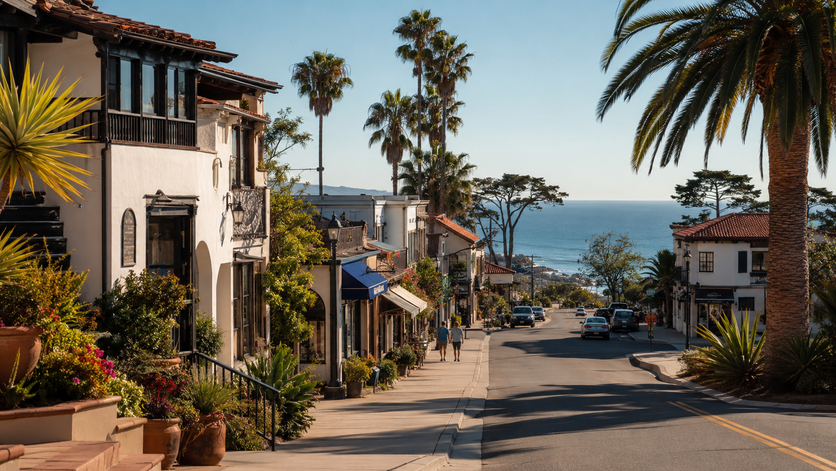
Choosing where to stay can shape the whole Pacific Coast Highway Road Trip. Instead of changing hotels every night, try to use a few strong overnight bases. This makes the trip feel calmer and gives you more time to enjoy each area.
Monterey or Carmel is a good first overnight stop if you start in San Francisco. Monterey is practical and has more hotel choices, while Carmel feels more charming and romantic. Both places give you easy access to coastal drives, restaurants, and the beginning of the Big Sur section.
For the Central Coast, Cambria, San Simeon, Morro Bay, or San Luis Obispo can work well. Cambria feels quiet and coastal. Morro Bay is relaxed and scenic. San Luis Obispo gives you more restaurants, nightlife, and city convenience.
Santa Barbara is a strong final overnight stop before Los Angeles. It has beaches, historic buildings, wine tasting rooms, and a polished vacation feel. If you want a slower ending, stay two nights in Santa Barbara instead of rushing straight into Los Angeles.
The best accommodation strategy is to match your pace. If you want scenery and quiet, choose smaller coastal towns. If you want restaurants and convenience, choose Monterey, San Luis Obispo, or Santa Barbara.
Common Mistakes to Avoid
One common mistake is treating the Pacific Coast Highway Road Trip like a normal highway drive. The route may look simple on a map, but the best sections are slower than expected. Curves, viewpoints, traffic, and small-town stops all add time.
Another mistake is planning too many major stops in one day. If you try to see Monterey, Carmel, Big Sur, Hearst Castle, Morro Bay, and San Luis Obispo all in one stretch, the day can feel exhausting. It is better to choose fewer stops and enjoy them properly.
Travelers also forget to check road conditions. Highway 1 is famous, but it is still a coastal road exposed to weather, erosion, maintenance, and occasional closures. A quick road check can prevent major itinerary problems.
Some visitors underestimate the weather. Even in summer, the coast can feel cool, windy, or foggy. Packing only beach clothing can make sunset stops uncomfortable. A light jacket or sweater is useful almost every day.
Finally, avoid making the whole trip about photos. The Pacific Coast Highway is beautiful, but the best memories often come from simple moments: coffee in a small town, a beach walk, a quiet overlook, or a slow dinner after a long scenic drive.
A Pacific Coast Highway Road Trip is one of the best ways to experience California’s coast. It offers dramatic views, relaxed towns, famous landmarks, and enough flexibility to fit many travel styles.
For the best experience, drive slowly, choose a realistic route, stay overnight in a few well-placed towns, and check road conditions before you go. A five-to-seven-day itinerary is ideal for most travelers, especially if you want to enjoy Big Sur, the Central Coast, and Santa Barbara without rushing.
The beauty of this trip is not only the destination. It is the rhythm of the coast, the changing light, the ocean air, and the freedom to stop whenever the view feels too good to pass by. That is what makes the Pacific Coast Highway Road Trip a classic journey worth planning well.
References
- Visit California: Official Highway 1 and Pacific Coast Highway travel guidance, including major route stops and scenic highlights.
- Caltrans: Official California Highway 1 road condition source for checking closures, delays, maintenance, and current route updates.