Planning a 2-week Europe itinerary can feel overwhelming because there are so many famous cities, scenic train routes, historic neighborhoods, museums, coastlines, and food experiences to choose from. The key is not to visit as many countries as possible, but to build a route that feels exciting, balanced, and realistic. This itinerary focuses on the “Best of the West,” combining classic Western European highlights such as Paris, Amsterdam, the Swiss Alps, Northern Italy, the French Riviera, and Barcelona. It is designed for travelers who want a mix of culture, architecture, food, nature, and iconic city experiences without spending the entire trip rushing between train stations. Europe is well suited for multi-country travel because many major destinations are connected by rail, and the Schengen Area allows easier movement across many participating European countries by removing routine internal border checks. For travelers who enjoy train travel, Eurail also promotes flexible rail travel across 33 European countries, which can be useful when comparing single train tickets with a pass-based trip.
Why This 2-Week Europe Itinerary Works
This 2-week Europe itinerary works because it follows a logical west-to-south route instead of jumping randomly across the continent. Many first-time visitors make the mistake of adding too many capitals and losing valuable time in airports. This plan keeps the trip focused on Western Europe, where the distances are manageable and the travel experience itself becomes part of the journey. You begin in Paris, one of Europe’s most recognizable cultural capitals, then move north to Amsterdam for canals, museums, and a relaxed city atmosphere. From there, the route shifts toward Switzerland, where the scenery changes dramatically from urban streets to lakes, mountains, and alpine villages. The itinerary then continues into Northern Italy for food, design, history, and lakeside landscapes before ending with Mediterranean energy in the French Riviera and Barcelona.
The route also works because each stop has a clear purpose. Paris gives you art, cafés, monuments, and classic European city life. Amsterdam gives you canals, cycling culture, compact neighborhoods, and world-class museums. Switzerland gives you natural beauty and a slower scenic break after several busy city days. Italy adds food, architecture, fashion, and day-trip options. The French Riviera brings coastal relaxation, while Barcelona finishes the trip with colorful architecture, beach access, tapas, and a lively final atmosphere. Instead of feeling like one repeated city break, the journey has contrast. That contrast is what makes a two-week trip feel longer, richer, and more memorable.
2-Week Europe Itinerary Overview
| Destination | Days | What to Do |
|---|---|---|
| Paris, France | Days 1–3 | Arrive in Paris, settle in, walk along the Seine, and enjoy a relaxed first dinner. Spend the next two days exploring the Louvre area, Tuileries Garden, Notre-Dame surroundings, Saint-Germain, the Eiffel Tower, Arc de Triomphe, Champs-Élysées, and Montmartre. |
| Amsterdam, Netherlands | Days 4–6 | Travel from Paris to Amsterdam and enjoy an evening canal walk. Visit the Rijksmuseum or Van Gogh Museum, explore Jordaan, take a canal cruise, and use the final day for a slower Amsterdam experience or a short day trip. |
| Switzerland and the Alps | Days 7–8 | Travel toward Switzerland and stay in Lucerne, Interlaken, or Zurich depending on your preferred pace. Spend a full day enjoying the Swiss Alps with lake cruises, mountain viewpoints, scenic train rides, or peaceful village walks. |
| Milan and Lake Como, Italy | Days 9–10 | Travel to Milan and visit the Duomo, Galleria Vittorio Emanuele II, and Milan’s design and food districts. On the second day, take a day trip to Lake Como or spend more time enjoying Milan at a slower pace. |
| Nice and the French Riviera, France | Days 11–12 | Travel to Nice and enjoy the French Riviera coastline. Use the next day to explore Nice, Monaco, Èze, or Antibes as an easy coastal day trip. |
| Barcelona, Spain | Days 13–14 | Travel or fly to Barcelona, then explore the Gothic Quarter and enjoy an evening tapas walk. On the final day, visit Sagrada Família, Park Güell, Passeig de Gràcia, and finish with a relaxed final night. |
Days 1–3: Paris, France
Paris is the ideal starting point for this Europe itinerary because it gives the trip an immediate sense of occasion. For your first day, keep the schedule light. After a long flight, the best introduction to Paris is not a packed museum day, but a simple walk near the Seine, a coffee at a sidewalk café, and an early dinner in a neighborhood such as Saint-Germain, Le Marais, or the Latin Quarter. This gives you time to adjust, recover, and start enjoying the city without pressure. On the second day, focus on the historic center. The Louvre, Tuileries Garden, Île de la Cité, and the surrounding streets offer a strong mix of art, architecture, and atmosphere. Even if you do not spend hours inside the Louvre, walking around the palace and gardens helps you understand why Paris remains one of the world’s most visited cultural destinations.
On the third day, move toward the city’s most iconic views. Start with the Eiffel Tower area in the morning, then continue to the Arc de Triomphe and Champs-Élysées. In the afternoon or evening, visit Montmartre for a different side of the city. The streets are hillier, more intimate, and more romantic, especially around Sacré-Cœur and the smaller lanes nearby. Paris can be expensive and crowded, so it helps to book major attractions in advance and avoid planning too many indoor activities back-to-back. A good Paris visit should include time to sit, walk, and observe. That is where the city becomes more than a checklist.
Days 4–6: Amsterdam, Netherlands
Amsterdam is a natural second stop because it contrasts beautifully with Paris. The city is smaller, easier to navigate, and built around canals, bridges, bicycles, and narrow historic houses. After traveling from Paris, spend your first evening walking through the canal belt or Jordaan. This is a good moment to slow down and enjoy the rhythm of the city rather than immediately chasing attractions. On your main sightseeing day, choose one major museum instead of trying to visit everything. The Rijksmuseum is excellent for Dutch art and history, while the Van Gogh Museum is a more focused and emotional experience. After the museum, balance the day with a canal cruise, a café stop, or a walk through the Nine Streets shopping area.
Your third Amsterdam day can be flexible. If you want more time in the city, explore local markets, parks, or smaller neighborhoods. If you prefer a short trip outside the city, consider nearby towns or countryside experiences depending on the season. The goal is to avoid travel fatigue before entering the Switzerland portion of the itinerary. Amsterdam is also a good place to review your route, do laundry, and reset before the trip becomes more scenic. Since this itinerary covers several countries, practical travel habits matter. Pack light, keep your train and hotel confirmations organized, and avoid booking very early departures every travel day.
Days 7–8: Switzerland and the Alps
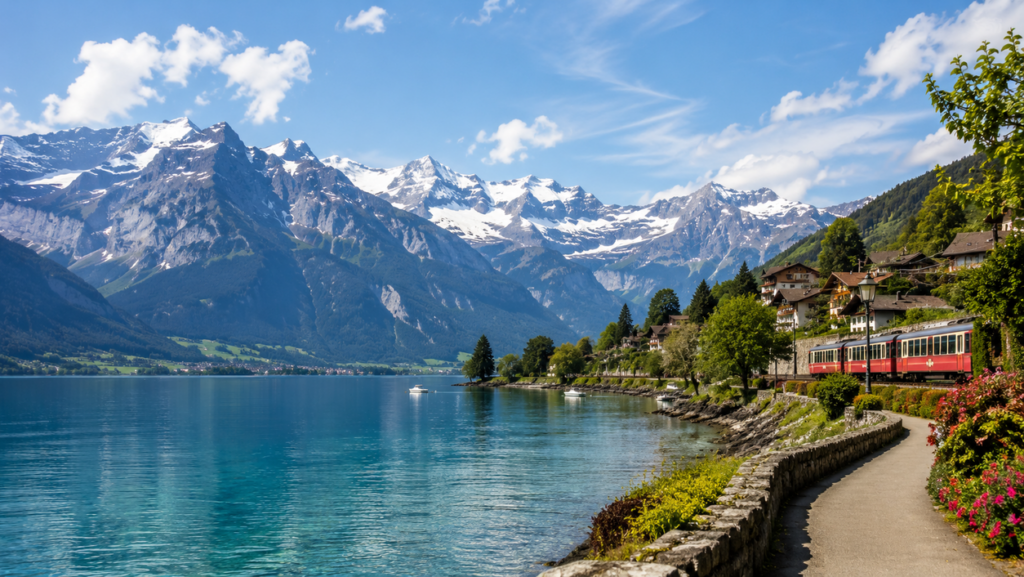
Switzerland is the scenic heart of this 2-week Europe itinerary. After several days in large cities, the mountains, lakes, and clean alpine towns create a refreshing change of pace. For a short visit, choose one base instead of trying to see the entire country. Lucerne is a strong option for travelers who want a beautiful lakeside city with mountain access and a relatively easy connection. Interlaken works better for travelers who want a more adventure-focused stay near famous alpine areas. Zurich is practical for transport, but it feels more urban and may be less memorable if your main goal is mountain scenery. Since Switzerland can be expensive, it is better to plan fewer activities well rather than overloading the schedule.
On your full day in Switzerland, choose one main scenic experience. This could be a lake cruise, a mountain viewpoint, a village walk, or a cable car route depending on the weather. The important point is to leave room for flexibility. Mountain weather can change quickly, and a cloudy day may affect visibility. Instead of building the entire day around one non-refundable activity, have a primary plan and a backup plan. Switzerland is also one of the best places in the itinerary to slow down. A simple day with a lake walk, mountain view, bakery stop, and quiet dinner can become one of the most memorable parts of the trip.
Days 9–10: Milan and Lake Como, Italy
Milan gives the itinerary a stylish Italian chapter without requiring a long detour. The city is sometimes underrated by first-time visitors because it does not look like Rome, Florence, or Venice, but it works very well in a Western Europe route. Milan has strong rail connections, excellent food, fashion, design, and one of Europe’s most impressive cathedrals. Spend your first day around the Duomo, Galleria Vittorio Emanuele II, and nearby historic streets. If you enjoy art, consider planning ahead for Leonardo da Vinci’s “The Last Supper,” as tickets can be limited. If you prefer a more relaxed pace, spend the evening in the Navigli district, where canals, restaurants, and aperitivo culture create a lively but easy atmosphere.
On your second day, Lake Como is the classic day trip. It offers a softer, more romantic version of Northern Italy, with lakeside towns, mountain views, ferries, villas, and relaxed cafés. Como, Bellagio, and Varenna are popular choices, but you do not need to see every town in one day. Pick a simple route that allows time to enjoy the lake rather than turning the day into a transport puzzle. If you prefer to stay in Milan, you can use the day for shopping, museums, food markets, or design neighborhoods. This part of the itinerary is where food becomes a major highlight. After France, the Netherlands, and Switzerland, arriving in Italy often feels warmer, louder, and more indulgent in the best way.
Days 11–12: Nice and the French Riviera
Nice brings the trip back to France, but with a completely different mood from Paris. Instead of grand boulevards and museums, the French Riviera offers sea views, pastel streets, markets, old-town alleys, and a Mediterranean pace. After arriving, keep the first evening simple. Walk along the Promenade des Anglais, explore the old town, and enjoy a seafood or Provençal-inspired dinner. Nice is a good base because it gives you access to several nearby coastal towns without needing to move hotels again. That matters during a two-week itinerary, because every hotel change costs time and energy.
For your full Riviera day, choose one direction. Monaco is famous and easy to recognize, but Èze offers a more atmospheric hilltop village experience. Antibes is another excellent choice for travelers who want a more relaxed seaside town with old streets and coastal walks. You can also stay entirely in Nice and enjoy the market, beach, viewpoints, and cafés. The Riviera portion is intentionally slower than the earlier city days. By this stage of the trip, many travelers start feeling tired, so a coastal reset helps keep the final days enjoyable. This is also a good place to avoid overplanning. A memorable Riviera day may be as simple as a morning market, a short train ride, a sea view, and a long dinner.
Days 13–14: Barcelona, Spain
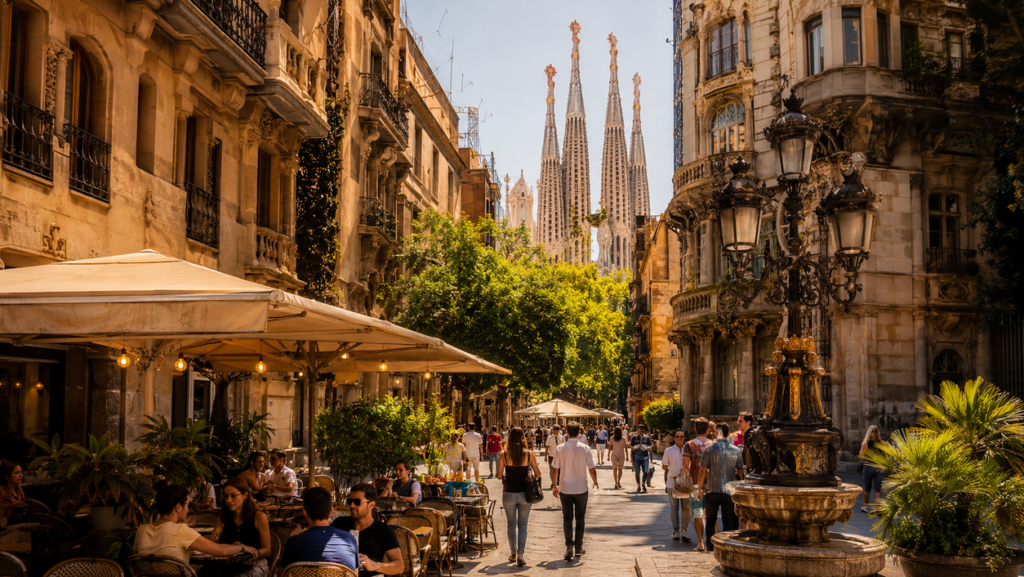
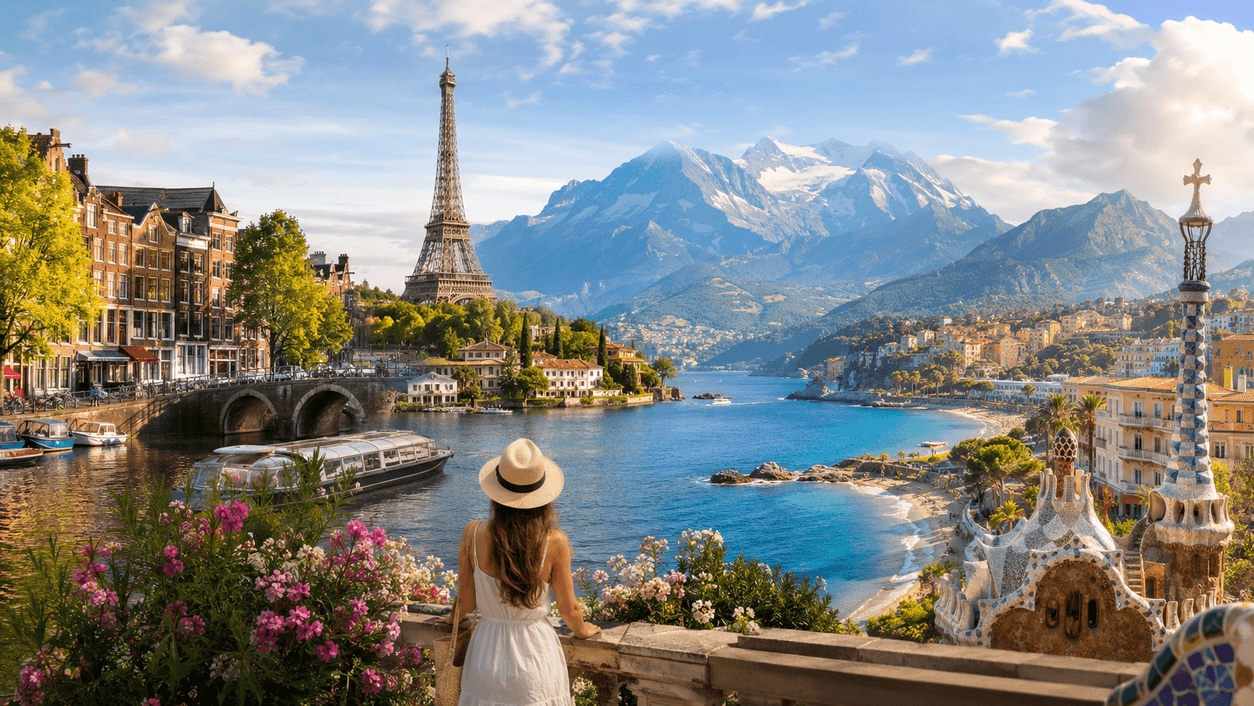
Barcelona is a strong final stop because it ends the itinerary with color, energy, architecture, food, and beach access. After arriving, spend your first evening in the Gothic Quarter or El Born. These areas are atmospheric, walkable, and ideal for a final-city introduction. A tapas walk is a better choice than a formal dinner because it lets you taste different dishes and move through the city naturally. Barcelona feels different from the other stops on this itinerary. It is Mediterranean, creative, social, and visually distinctive, especially because of Antoni Gaudí’s architecture.
On your final full day, focus on the essentials. Sagrada Família should be booked in advance because it is the city’s most important landmark and one of Europe’s most recognizable churches. Park Güell is another major Gaudí site, but it is best visited when you have enough time to enjoy the setting rather than rushing through it. Passeig de Gràcia is useful for seeing Casa Batlló and Casa Milà from the outside, even if you do not enter both. End the day with a relaxed final dinner, ideally somewhere that does not require crossing the whole city again. Barcelona is a satisfying ending because it feels celebratory. After two weeks of trains, museums, mountains, lakes, and coastlines, the city gives the trip a bright final chapter.
Transport, Budget, and Planning Tips
- Use trains where the route is direct and scenic. Paris to Amsterdam, Amsterdam to Switzerland, and Switzerland to Milan can work well by rail, depending on exact connections. Eurail can be useful for flexible multi-country train travel, but compare it with individual tickets before buying.
- Consider one short flight if it saves significant time. Nice to Barcelona can be long by land, so a flight may make the final part of the itinerary easier.
- Book major attractions in advance. Eiffel Tower access, popular museums, Sagrada Família, and special art tickets can sell out or become expensive close to the date.
- Stay near transport hubs, but not inside the noisiest tourist zones. This saves time on travel days while keeping evenings more comfortable.
- Pack light. A carry-on suitcase or backpack is much easier when moving through train stations, stairs, old streets, and compact hotel rooms.
- Check visa and entry rules before booking. Many Western European countries are in the Schengen Area, but requirements depend on your passport, nationality, trip length, and current regulations. The European Commission describes the Schengen Area as a group of countries where internal border checks have generally been abolished.
- Do not schedule every morning too early. Two weeks of travel can become tiring, so leave some slower mornings in the plan.
- Use this itinerary as a framework, not a prison. If you love food, add more Italy. If you love mountains, add more Switzerland. If you love art, add more Paris or Amsterdam.
Best Time to Follow This Europe Itinerary
The best time to follow this Europe itinerary is usually spring or early autumn, when the weather is pleasant and major cities are active without the heaviest peak-season pressure. April, May, September, and early October are especially attractive for a route that includes cities, mountains, and coastlines. Summer can still be enjoyable, especially if your schedule depends on school holidays, but it usually brings higher prices, more crowded attractions, and hotter weather in Southern Europe. Winter can work for travelers who prefer museums, Christmas markets, and lower crowds, but the Riviera and some alpine experiences may feel different from the classic scenic version of this route.
Season matters because this itinerary includes several types of destinations. Paris and Amsterdam are good almost year-round, but they feel especially beautiful in spring and autumn. Switzerland depends more on weather visibility, especially if mountain viewpoints are important to you. Milan and Lake Como are pleasant outside the hottest months, while Nice and Barcelona are most comfortable when the weather is warm but not extreme. If this is your first time in Europe, avoid building the trip around perfect weather. Instead, plan a route that still works if one or two days are cloudy or rainy. That means mixing outdoor highlights with museums, food neighborhoods, scenic train rides, and flexible day trips.
How to Customize This 2-Week Europe Itinerary
This 2-week Europe itinerary is flexible, so you can adjust it based on your travel style. Travelers who prefer a slower pace can remove one destination and add the extra nights to Paris, Switzerland, or Barcelona. For many people, that version will feel more relaxing and less expensive.
Nature lovers may want to add another night in Switzerland and reduce time in Milan or Nice. Food and culture-focused travelers can add Florence after Milan and remove the Riviera. Beach lovers may prefer more time in Nice and Barcelona, especially during warmer months. For a classic first-time Europe trip, keeping the route as written gives you a strong mix of famous cities, scenery, food, and Mediterranean atmosphere.
The most important rule is to protect the quality of the trip. A good Europe itinerary is not measured by the number of passport stamps or countries visited. It is measured by how well the days flow, how much you remember, and whether you had enough time to enjoy each place properly. Two weeks is enough to see a beautiful part of Western Europe, but not enough to see everything. That is a good thing. Europe rewards return trips, and this route gives you a strong first journey while leaving plenty of reasons to come back.
References
- Visit Europe – Official Tourism Portal: Provides official European travel inspiration and planning information across culture, heritage, architecture, gastronomy, and landscapes.
- European Commission – Schengen Area / Eurail Official: The European Commission explains Schengen travel context, while Eurail provides official information about flexible train travel across 33 European countries.