Planning a Southeast Asia Backpacking Route can feel exciting, but also a little overwhelming. The region is full of amazing countries, famous cities, tropical beaches, mountain towns, street food, temples, and cultural experiences. With only three weeks, the biggest challenge is not finding places to visit. The real challenge is choosing the right places without making the trip feel too rushed.
This 3-week Southeast Asia Backpacking Route is designed for first-time travelers who want a balanced and realistic itinerary. Instead of trying to visit every country in the region, this route focuses on Thailand, Cambodia, Vietnam, and Laos. These countries work well together because they offer a strong mix of culture, history, food, nature, nightlife, and classic backpacker experiences.
The journey starts in Bangkok, one of the easiest entry points in Southeast Asia. From there, it moves north to Chiang Mai, continues to Siem Reap for Angkor Wat, travels through Vietnam from south to north, and ends in Luang Prabang, Laos. This route gives you variety while keeping the travel direction simple and logical.
This guide covers where to go, how long to stay, what to expect, and how to travel between destinations. It is written in an easy-to-understand but professional style, so you can use it as a practical starting point for your trip.
3-Week Southeast Asia Backpacking Route Overview
| Days | Destination | Country | Key Highlights & Activities |
| 1–3 | Bangkok | Thailand | Grand Palace, floating markets, street food, and Khao San Road. |
| 4–6 | Chiang Mai | Thailand | Doi Suthep, Night Bazaar, elephant sanctuaries, and cafe culture. |
| 7–9 | Siem Reap | Cambodia | Angkor Wat sunrise, Ta Prohm, and Pub Street. |
| 10–12 | Ho Chi Minh City | Vietnam | War Remnants Museum, Ben Thanh Market, and Cu Chi Tunnels. |
| 13–15 | Hoi An | Vietnam | Ancient Town lanterns, custom tailoring, and An Bang Beach. |
| 16–18 | Hanoi | Vietnam | Old Quarter, Hoan Kiem Lake, and Train Street. |
| 19–21 | Luang Prabang | Laos | Kuang Si Falls, Alms Giving Ceremony, and Mekong sunsets. |
Why This Southeast Asia Backpacking Route Works
This Southeast Asia Backpacking Route works because it gives you a balanced travel rhythm. You begin with the energy of Bangkok, slow down in Chiang Mai, explore the historical temples of Cambodia, experience the busy and beautiful cities of Vietnam, and finish with the peaceful atmosphere of Laos. This makes the trip feel complete without forcing you to move every single day.
Many travelers make the mistake of adding too many destinations to a short itinerary. Southeast Asia may look easy to cross on a map, but travel days can still take a lot of time. Even a short flight can use most of your day once you include packing, airport transfers, immigration, waiting time, and checking into your next accommodation.
This route avoids too much backtracking. It follows a simple direction from Thailand to Cambodia, then Vietnam, and finally Laos. That makes the itinerary easier to manage, especially if this is your first time backpacking in the region.
Another reason this itinerary works well is variety. In three weeks, you can experience major cities, historic ruins, mountain culture, riverside towns, beaches, street food, and local markets. You will not see everything in Southeast Asia, but you will get a strong and memorable introduction.
Days 1–3: Bangkok, Thailand
Bangkok is one of the best starting points for a Southeast Asia Backpacking Route. It has excellent flight connections, many accommodation options, affordable food, and easy access to other parts of Thailand. For first-time backpackers, Bangkok can feel busy and intense, but it is also exciting, convenient, and full of life.
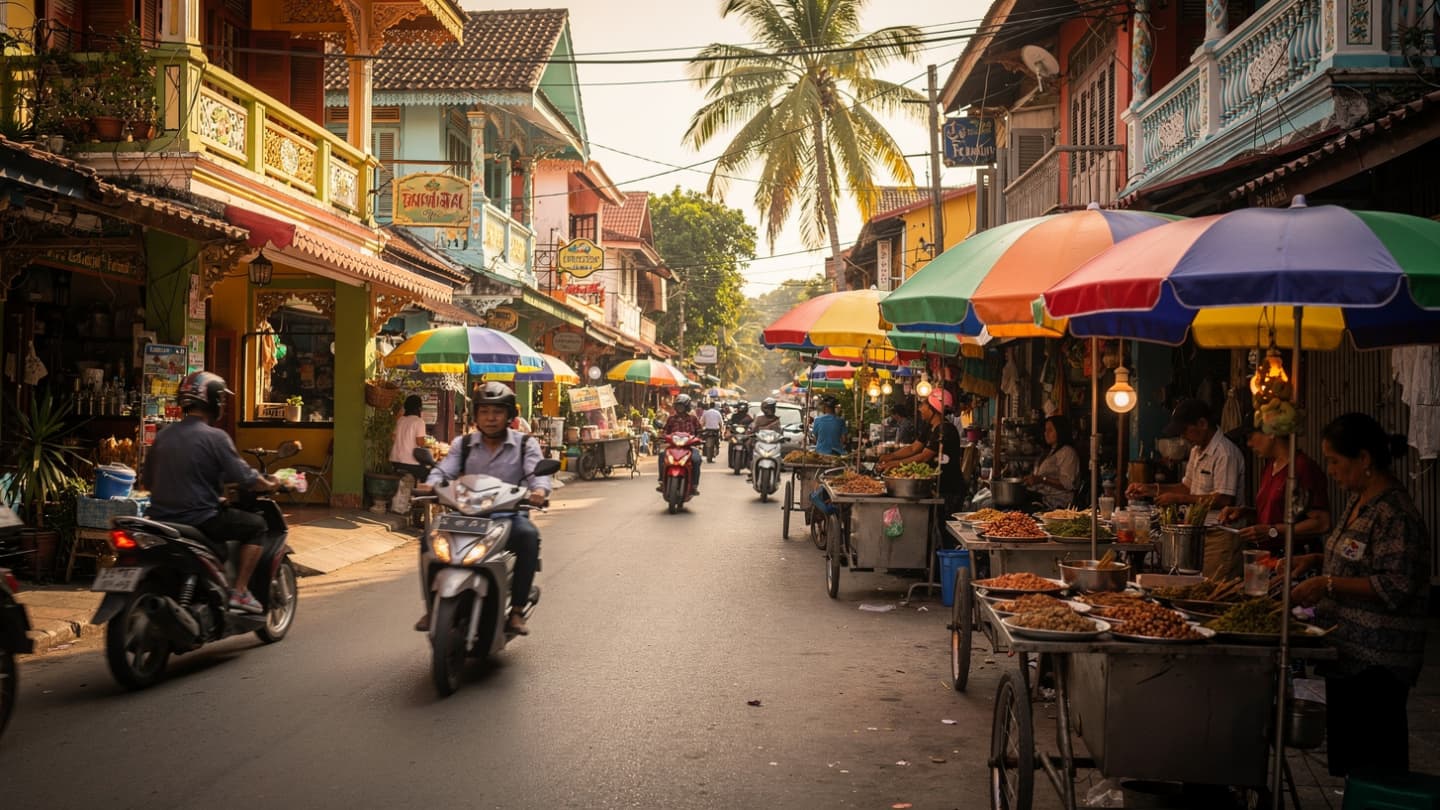
Use your first day to adjust to the weather, time zone, and pace of the city. Keep the schedule simple. Walk around your area, try Thai street food, visit a local market, and get familiar with transport options like the BTS Skytrain, MRT, taxis, and ride-hailing apps. Popular backpacker areas include Khao San Road, Silom, Sukhumvit, and Ari, depending on your travel style.
On your second day, visit Bangkok’s cultural highlights. The Grand Palace, Wat Pho, and Wat Arun are three of the most famous sites in the city. They are located near the Chao Phraya River and can be visited in one day if you start early. Remember to dress respectfully when visiting temples by covering your shoulders and knees.
Use your third day for a slower city experience. Explore Chinatown, visit a night market, enjoy a Thai massage, or spend time in a cafe. Bangkok is also a great place to buy anything you forgot to pack, such as lightweight clothes, medicine, a power adapter, sunscreen, or a dry bag. Starting your trip here gives you time to prepare before moving north.
Days 4–6: Chiang Mai, Thailand
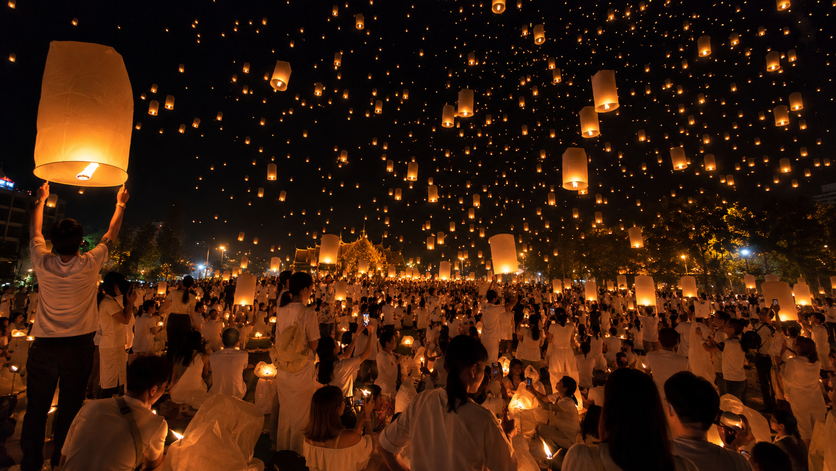
Chiang Mai gives your Southeast Asia Backpacking Route a calmer and more cultural atmosphere after Bangkok. Located in northern Thailand, Chiang Mai is known for its old city, temples, mountain views, night markets, cafes, and relaxed backpacker scene. You can travel from Bangkok to Chiang Mai by overnight train, bus, or short flight.
The old city is the best base for first-time visitors. It is walkable and full of temples, restaurants, hostels, and small cafes. Spend your first day exploring Wat Chedi Luang, Wat Phra Singh, the city walls, and the evening market scene. Chiang Mai is also a good place to slow down, do laundry, and rest before crossing into another country.
On your second day, visit Doi Suthep, the famous mountain temple overlooking Chiang Mai. The view from the top is especially beautiful in the morning or late afternoon. You can get there by shared red truck, private driver, scooter, or organized tour. If you rent a scooter, make sure you are experienced, properly licensed, and insured.
Your third day can focus on nature or local experiences. Popular options include a Thai cooking class, a hiking trip, a visit to nearby villages, or an ethical elephant sanctuary. Be careful when choosing animal activities. Avoid places that offer elephant riding or animal shows, and research operators before booking.
Chiang Mai is a highlight because it gives you culture, food, nature, and rest in one easy destination. It also prepares you for the next part of the journey: Cambodia.
Days 7–9: Siem Reap, Cambodia
Siem Reap is one of the most important stops on this Southeast Asia Backpacking Route because it is the gateway to Angkor Wat. The Angkor temple complex is one of the most famous historical sites in the world and a major reason many travelers visit Cambodia.
Most travelers reach Siem Reap by flying from Thailand or traveling overland from Bangkok. If you only have three weeks, flying is usually easier and saves time. Overland travel can be cheaper, but it often takes longer and may feel tiring after several days of moving around.
Start your temple visit with Angkor Wat at sunrise if you are comfortable waking up early. It can be crowded, but it is still a memorable experience. After Angkor Wat, continue to Angkor Thom, Bayon Temple, and Ta Prohm. Hiring a tuk-tuk driver for the day is one of the easiest ways to explore the temples without getting exhausted in the heat.
On your second day, you can explore more temples or take a slower cultural day in Siem Reap. Some travelers buy a multi-day Angkor pass, while others prefer to visit local markets, take a cooking class, or relax before moving to Vietnam. Siem Reap has a friendly backpacker scene, but it is worth spending time beyond the nightlife to understand local culture and history.
Use your final day to rest, organize your bag, and prepare for the next country. Cambodia adds depth to this itinerary because it offers ancient history, warm hospitality, and a different pace from Thailand.
Days 10–12: Ho Chi Minh City, Vietnam
Ho Chi Minh City brings fast-moving city energy back into your Southeast Asia Backpacking Route. The city is full of motorbikes, markets, cafes, museums, rooftop bars, and street food. It can feel chaotic at first, but once you understand the rhythm, it becomes one of the most exciting cities in the region.
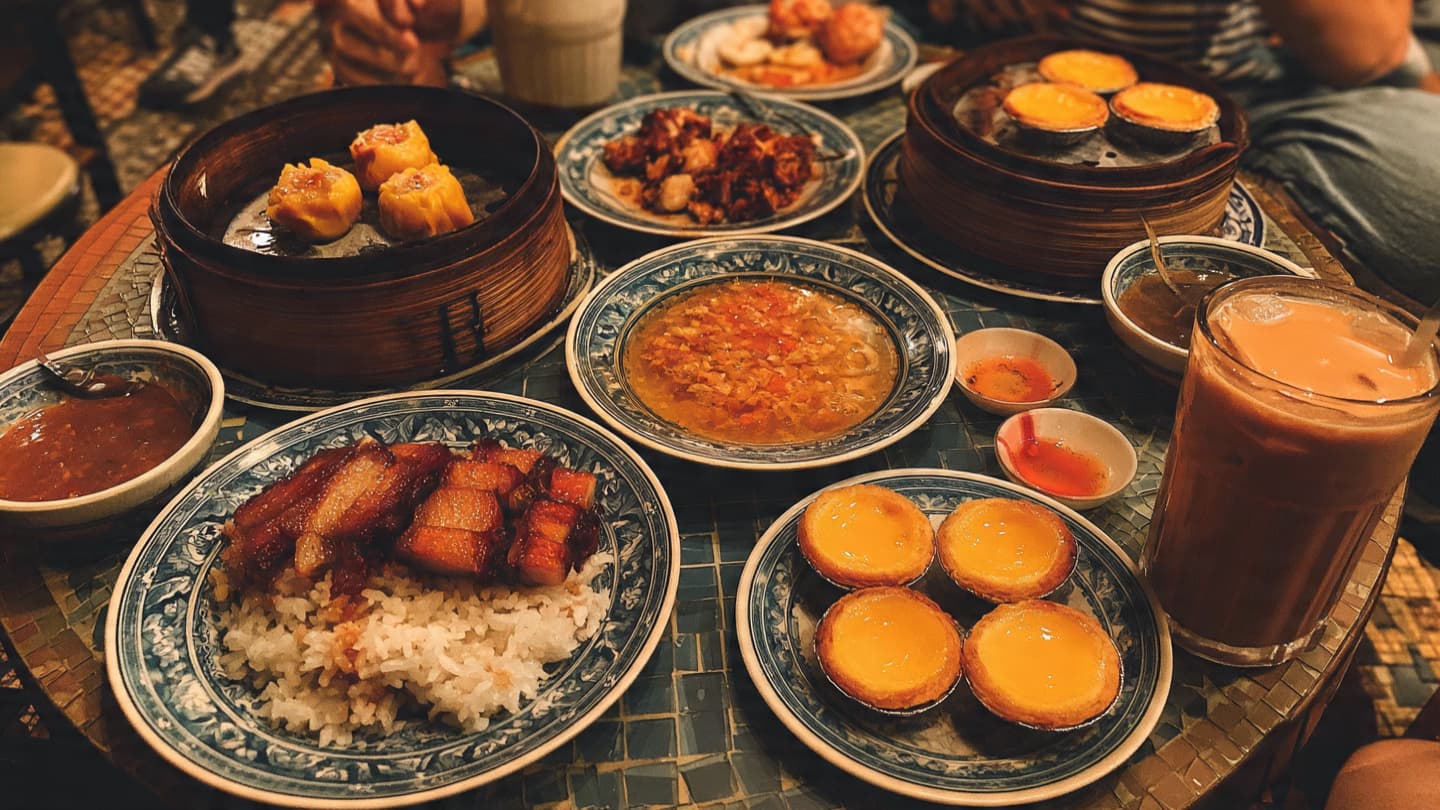
Spend your first day exploring District 1 and nearby areas. Visit Ben Thanh Market, the Central Post Office, Nguyen Hue Walking Street, and some local coffee shops. Vietnamese coffee culture is a major highlight, and you should try iced milk coffee while you are here.
On your second day, focus on history. The War Remnants Museum and Independence Palace are two important places to learn more about Vietnam’s modern past. These sites can be emotional, but they provide valuable context for your trip. You can also consider a half-day trip to the Cu Chi Tunnels if you are interested in wartime history.
Use your third day for food and local neighborhoods. Try dishes like pho, banh mi, com tam, and bun thit nuong. Ho Chi Minh City is one of the best places in Vietnam for affordable and delicious meals. Because Vietnam is a long country, it is usually better to fly from Ho Chi Minh City to central Vietnam if you only have three weeks.
Days 13–15: Hoi An, Vietnam
Hoi An is one of the most charming destinations on this Southeast Asia Backpacking Route. After the speed of Ho Chi Minh City, Hoi An feels smaller, slower, and easier to enjoy. The town is famous for lanterns, yellow buildings, riverside streets, tailor shops, cafes, beaches, and relaxed evenings.
Most travelers fly to Da Nang and then take a short transfer to Hoi An. Once you arrive, spend your first day walking around the old town. The streets are especially beautiful in the evening when lanterns light up the river area. However, mornings are usually quieter and better for taking photos or exploring without crowds.
On your second day, rent a bicycle or take a short ride to the beach or nearby rice fields. An Bang Beach is a popular choice if you want a simple beach break without adding another island destination to your trip. This makes Hoi An a very useful stop because it gives you culture, food, countryside, and beach time in one place.
Your third day can be used for a cooking class, tailoring, a basket boat experience, or simple rest. Many backpackers use Hoi An as a recovery stop because it is easy to enjoy without a packed schedule. If you want clothes made, start early and allow enough time for fittings.
Hoi An is not only beautiful. It also gives your itinerary breathing space, which is important during a three-week journey.
Days 16–18: Hanoi, Vietnam
Hanoi gives your Southeast Asia Backpacking Route a strong cultural finish in Vietnam. Compared with Ho Chi Minh City, Hanoi feels older, more traditional, and more atmospheric. The Old Quarter is full of narrow streets, street food stalls, small shops, temples, and local life.
Start with Hoan Kiem Lake and the Old Quarter. Walk slowly, try local food, and take time to understand the city’s rhythm. Hanoi is famous for dishes such as bun cha, pho, banh cuon, cha ca, and egg coffee. Some of the best meals are found at simple local restaurants or street food stalls.
On your second day, visit cultural and historical places such as the Temple of Literature, the Ho Chi Minh Mausoleum area, and museums that match your interests. Hanoi is also a great base for trips to places like Ninh Binh, Ha Long Bay, Sapa, and Ha Giang. However, because this itinerary is only three weeks, you should avoid adding too many side trips.
If you really want a nature experience, you can use one of your Hanoi days for Ninh Binh or Ha Long Bay. But if you feel tired, staying in Hanoi and exploring slowly is also a good choice. A good backpacking trip should include time to rest, not only time to move.
Hanoi is a memorable final stop in Vietnam before continuing to Laos.
Days 19–21: Luang Prabang, Laos
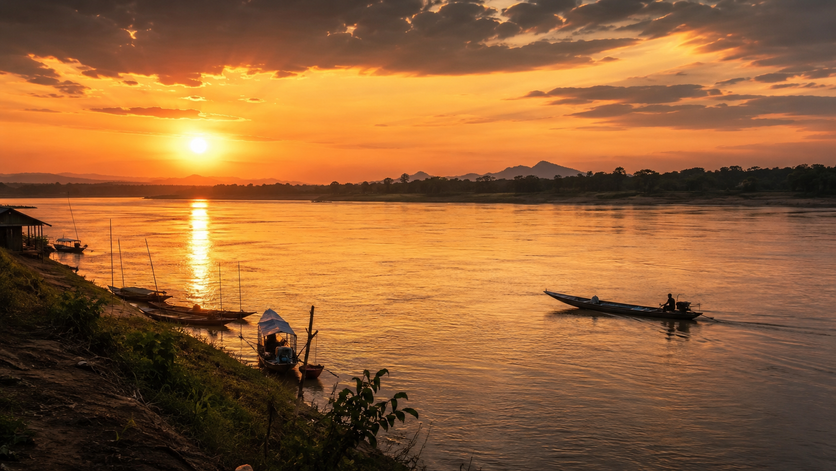
Luang Prabang is a peaceful way to end this Southeast Asia Backpacking Route. After busy cities, temple visits, flights, buses, and long walking days, Laos gives you a slower and calmer atmosphere. Luang Prabang is known for its temples, riverside views, French-influenced architecture, waterfalls, night market, and relaxed pace.
Spend your first day walking around the old town and visiting temples. The town is compact and easy to explore without rushing. In the evening, visit the night market and enjoy a simple local meal. Compared with Bangkok, Ho Chi Minh City, or Hanoi, Luang Prabang feels much quieter, which makes it perfect for the end of the trip.
On your second day, visit Kuang Si Waterfall. The turquoise pools are beautiful and make a great nature escape from town. Go early if you want a quieter experience. Bring comfortable shoes, swimwear, water, and a small towel. You can book a shared minivan, private transfer, or organized tour from Luang Prabang.
Use your final day to slow down. Have breakfast by the river, visit another temple, take a boat trip, or simply relax before flying home or continuing your travels. Ending in Laos helps the route feel complete instead of exhausting. It gives you space to reflect on everything you experienced during the past three weeks.
How to Travel Between Countries on This Route
Travel planning is one of the most important parts of any Southeast Asia Backpacking Route. For a three-week trip, the best strategy is to mix local transport with short flights. Buses and trains are useful for shorter routes, but flights can save valuable time when crossing countries or covering long distances.
For this itinerary, you can travel from Bangkok to Chiang Mai by overnight train or flight. From Chiang Mai to Siem Reap, flying is usually the most efficient option. From Siem Reap to Ho Chi Minh City, a flight saves time and avoids a long overland journey. Within Vietnam, flying from Ho Chi Minh City to Da Nang and then from Da Nang or nearby areas to Hanoi is usually practical for a short trip.
Always check visa requirements before booking. Rules can change, and requirements depend on your passport, arrival method, and length of stay. You should also check entry points, passport validity, and whether you need proof of onward travel.
Try not to schedule too many activities on travel days. Moving between countries can take more energy than expected. A realistic travel day should include packing, transport, check-in, food, and light exploration only. This keeps the trip enjoyable and reduces stress.
Budget, Packing, and Travel Tips for Backpackers
A Southeast Asia Backpacking Route can be affordable, but your total cost depends on your travel style. Budget travelers can save money by staying in hostels, eating local food, using public transport, and booking flights early. Mid-range travelers may prefer private rooms, occasional tours, and more comfortable transfers.
Pack light. A medium backpack or carry-on-sized bag is usually enough for three weeks. Bring breathable clothes, comfortable walking shoes, sandals, a light rain jacket, sunscreen, insect repellent, basic medicine, a reusable water bottle, and a small day bag. You do not need to pack too much because laundry services are easy to find in most backpacker areas.
Respect local culture throughout your trip. Dress modestly at temples, remove shoes when required, and ask before taking close-up photos of people. Learning simple words like hello and thank you in each country can also make your travel experience more positive.
Stay flexible, but not completely unplanned. With only three weeks, it is smart to book major flights and first-night accommodation in advance. At the same time, leave some space for rest days, new friends, weather changes, and unexpected opportunities.
Best Time to Follow This Southeast Asia Backpacking Route
The best time for this Southeast Asia Backpacking Route is usually from November to February. This period is often cooler and drier in many parts of Thailand, Cambodia, Laos, and Vietnam. It is a comfortable time for walking, sightseeing, temple visits, and outdoor activities.
March to May can be very hot in many destinations on this route. Travel is still possible, but you should plan carefully. Start sightseeing early, rest during the hottest part of the day, drink plenty of water, and avoid overloading your schedule.
The rainy season can also be a good time to travel if you are flexible. Rain often comes in short heavy bursts, although this depends on the country and month. The benefits of rainy-season travel include fewer crowds, greener landscapes, and sometimes lower prices. The downside is that transport delays and outdoor changes are more likely.
There is no perfect season for every country in Southeast Asia. If you want the easiest first-time experience, choose the cooler dry season. If you want fewer tourists and lower prices, consider shoulder season.
Final Thoughts on Planning a Southeast Asia Backpacking Route
A 3-week Southeast Asia Backpacking Route should feel exciting, balanced, and realistic. The goal is not to visit as many countries as possible. The goal is to experience each place properly while keeping the journey smooth and enjoyable.
This itinerary through Thailand, Cambodia, Vietnam, and Laos gives you a strong introduction to the region. You start with Bangkok’s energy, enjoy Chiang Mai’s relaxed culture, explore Angkor Wat in Cambodia, experience Vietnam from south to north, and finish with the calm beauty of Luang Prabang.
You can adjust the route depending on your interests. If you love beaches, add southern Thailand and remove one city. If you love nature, spend more time in northern Vietnam or Laos. If you prefer slow travel, choose three countries instead of four.
For first-time backpackers, this Southeast Asia Backpacking Route is a practical and memorable starting point. With smart planning, light packing, and an open mind, three weeks in Southeast Asia can become one of your best travel experiences.
References
- Vietnam National Authority of Tourism — Official Vietnam travel information, including entry guidance and destination planning.
- Lonely Planet — Regional travel guides and itinerary inspiration for backpacking across Southeast Asia.