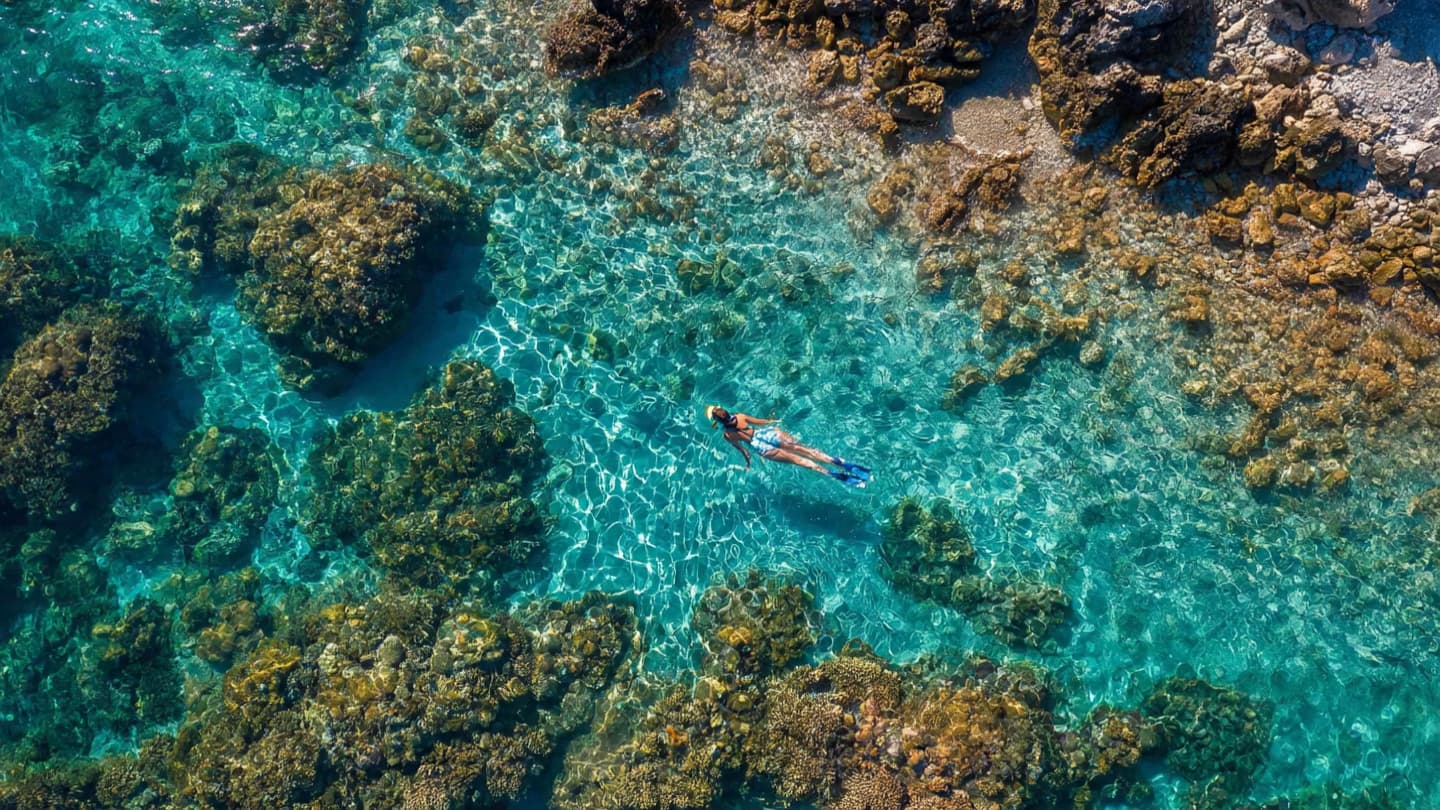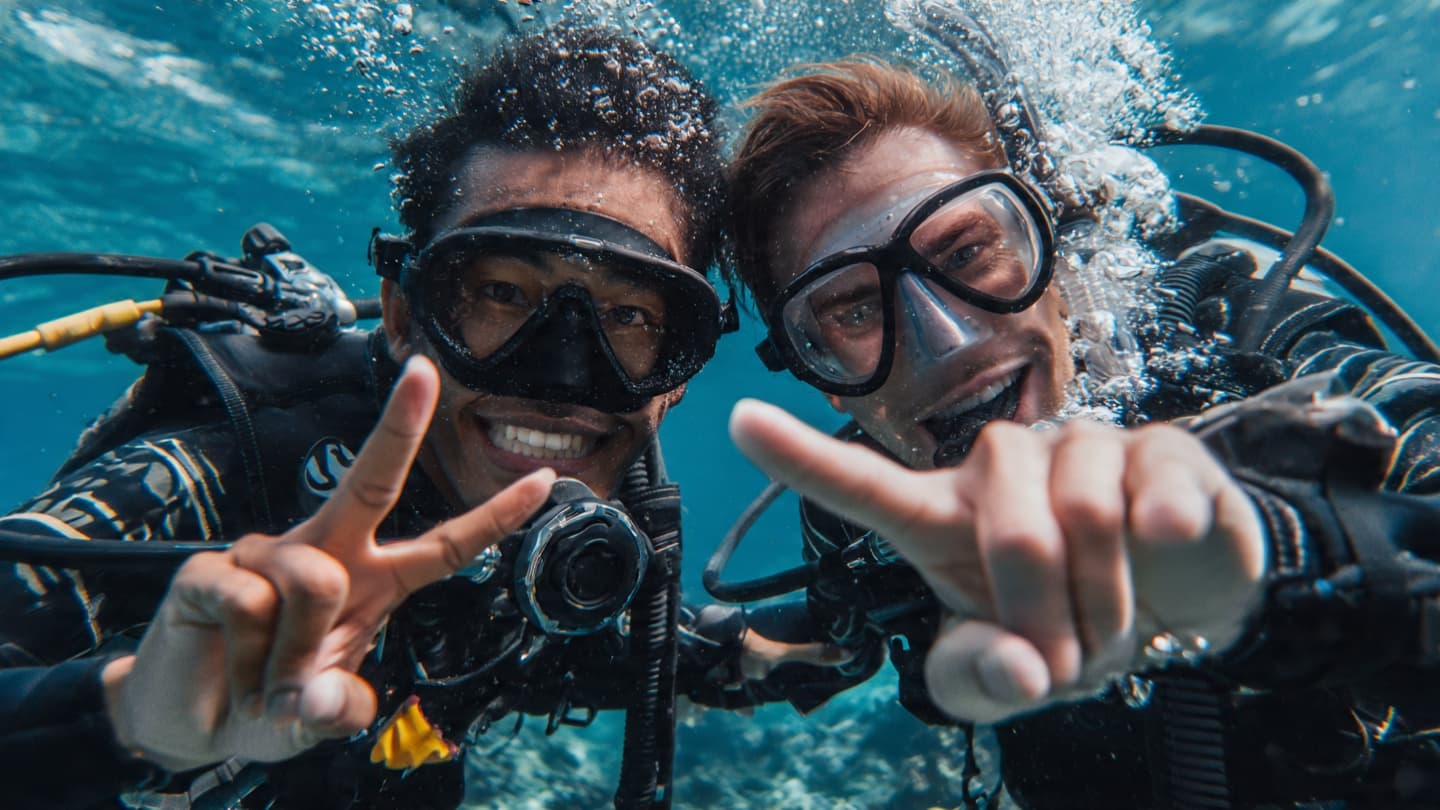
Scuba diving opens up a breathtaking universe beneath the waves, turning a standard holiday into an unforgettable journey of exploration. For thousands of travelers each year, tropical destinations like Thailand, Egypt, Malta, or Indonesia present the perfect backdrop to earn an open water certification. Choosing a dive school abroad can be incredibly exciting, but it also carries significant risks if you do not know what to look for. The global diving market is massive, and while it features exceptional, safety-first operators, it also harbors sketchy shops looking to cut corners and inflate their bottom lines.
When you look for a dive school abroad, you are not just purchasing a recreational excursion; you are investing in life-support education. Making a hasty choice based entirely on the lowest sticker price can lead to hidden fees, substandard gear, packed classes, or compromised safety standards. Navigating the international dive industry requires a balanced mix of healthy skepticism, targeted research, and consumer awareness. By understanding the common industry traps, you can protect your wallet and ensure your underwater introduction is completely secure, highly educational, and deeply enjoyable.
Understanding the True Cost of Your Open Water Course
The primary trap that catches budget-conscious travelers is the deceptively low base price advertised online or on beachside flyers. Many tourists scan promotional boards, spot an incredibly cheap rate for an Open Water Diver certification, and hand over their credit card on the spot. Unfortunately, the scuba industry features several legitimate but highly annoying add-on expenses that sub-par operations love to hide until the moment you check in. A professional shop will lay these out transparently from day one, while an untrustworthy business will use them to squeeze extra cash from unsuspecting tourists.
To avoid getting scammed, you must ask direct questions about the total cost package before booking any course. A truly comprehensive price quote should include your digital learning materials, registration fees, rental equipment, boat fuel, marine park permits, and the physical certification card. If a shop avoids giving a direct answer or states that these elements are handled separately, you are highly likely dealing with an operator that uses bait-and-switch pricing. Calculating these hidden elements ahead of time allows you to establish an accurate financial baseline and compare various operations fairly.
Deciphering the Fine Print of Hidden Scuba Fees
When checking the pricing tiers of a dive school abroad, the devil is always in the fine print. One of the most frequent hidden charges involves the mandatory training materials and official certification processing fees. Major training organizations charge a premium for their digital learning platforms and license processing, costs that some low-budget shops purposefully omit from their initial public pricing. When you arrive for day one of training, you might suddenly be forced to shell out an extra hundred dollars just to access your required online manual.
Another hidden variable that can quickly drain your travel budget is boat usage fees and destination taxes. Some rogue operators quote a price that only covers the classroom and pool sessions, leaving the mandatory ocean dives subject to additional boat fuel surcharges or rental fees. Furthermore, many world-class diving destinations sit inside protected marine sanctuaries that require daily entry permits. Professional operations routinely integrate these local environmental taxes into their upfront course fees, whereas cut-rate operators leave you to pay the park wardens out of pocket on the morning of your trip.
Evaluating International Certification Agencies Properly
A major point of confusion for beginners looking at a dive school abroad is the dizzying array of acronyms associated with scuba certification. You will see shops proudly displaying logos for PADI, SSI, NAUI, CMAS, and several others, leaving many to wonder if one is inherently superior or less expensive. The simple reality is that the largest international agencies all conform to the strict educational guidelines established by the World Recreational Scuba Training Council. This means your core safety skills will remain largely identical regardless of the specific plastic card you receive at the end of your training course.
Instead of stressing over which brand logo is on the shop window, focus on how the dive school abroad utilizes their chosen agency’s educational ecosystem. Reputable operations leverage digital e-learning platforms to let you complete your theoretical science modules at your own pace before your vacation even starts. If a business tries to sell you an outdated, physically photocopied workbook or charges an inflated premium to register you in an official digital system, treat it as a warning sign. The top-tier agencies maintain online global databases where you can easily verify if a shop holds active, authorized teaching status.
Spotting the Red Flags of Dangerous Class Ratios
1.Check the Official Legal Limit:Agency Standards.
Most global training agencies technically allow a maximum ratio of eight students to one certified instructor under ideal, calm conditions. While this is legally permissible on paper, teaching eight complete strangers simultaneously in open ocean conditions stretches an instructor’s attention dangerously thin.
2.Identify the Shop’s Actual Ratio:Real-World Limits.
High-volume, low-cost operations frequently pack their boats to this maximum legal limit to maximize daily profit margins. Safe, professional facilities voluntarily enforce a strict internal policy capping beginner classes at four students per instructor to guarantee direct supervision.
3.Assess Assistant Support:Divemaster Presence.
If a class size must expand beyond four people, a trustworthy dive center will always deploy a certified Divemaster as an underwater assistant. If an operator refuses to guarantee small ratios or tells you that assistants are unnecessary, walk away immediately.
Investigating Equipment Maintenance and Rental Quality
Scuba diving is an equipment-dependent activity where your life relies entirely on the functionality of mechanical regulators, buoyancy jackets, and high-pressure cylinders. When you choose a dive school abroad based solely on a rock-bottom price, equipment maintenance is almost always the first area where the business cuts costs. Servicing complex breathing regulators requires certified technicians, expensive manufacturer parts, and routine attention, making it an easy target for negligent shop owners looking to save money.
When you initially walk into an overseas dive center, take a long, critical look at the rental gear storage area to assess their operational standards. Equipment does not need to look brand new, but it should be organized, clean, free of salt crust, and devoid of visible rot or temporary duct-tape fixes. Check the physical condition of the secondary demand valves, inspect the rubber hoses for visible cracks, and ensure the pressure gauges feature clear, legible faces. If the staff reacts defensively when you ask to inspect the rental gear you will be breathing from, it indicates a culture that prioritizes profit over basic human safety.
Unmasking the Mirage of Fake Online Reviews
In the modern travel era, digital reviews on platforms like TripAdvisor, Google Maps, and dedicated scuba forums are incredibly useful tools for vetting a dive school abroad. However, desperate or unethical operations frequently manipulate these digital spaces to hide past incidents and paint an inaccurate picture of their services. Some low-quality shops buy fake positive reviews in bulk, while others pressure departing tourists to write glowing five-star testimonies on the spot before handing over their physical certification cards.
To spot authentic feedback, you must look past the overall star rating and analyze the specific wording used within the reviews. Authentic reviews written by real students will highlight nuanced details, such as the specific name of their instructor, the exact dive sites visited, and how the team handled mistakes or anxiety. Be highly skeptical of a profile that features hundreds of generic reviews using identical phrasing like “best cheap dive shop” without offering any real substance. Pay close attention to the negative and mediocre reviews, focusing heavily on how the business management chooses to respond to criticism online.
Vetting Instructor Qualifications and Professional Status

A dive school abroad is only as good as the individual instructor assigned to guide you through your underwater training. Safe, experienced, and professional instructors take immense pride in their craft and will gladly discuss their background, teaching philosophy, and underwater experience. Conversely, toxic dive environments often rely on heavily overworked, underpaid, or recently certified instructors who are pushed to process as many paying students as humanly possible each week.
Before paying a deposit, ask the management exactly who will be teaching your class and request to verify their professional credentials. Every major scuba training organization provides an open online portal where consumers can enter an instructor’s unique registration number to verify if they are in “Active Teaching Status.” If a shop hesitates to provide this number, gives vague excuses, or switches your instructor at the last minute without explanation, they may be using uncertified staff. Learning from an unauthorized individual invalidates your insurance and means you will not receive an official certification card.
Demanding Total Price Transparency Before Booking
| Course Component | Included in Premium Shop | Hidden in Cut-Rate Shop |
| Digital E-Learning & App | Yes (Included Upfront) | No ($80 – $120 Extra Fee) |
| Full Scuba Equipment Rental | Yes (Serviced, Complete Kit) | No ($15 – $30 Daily Rental) |
| Boat Fuel & Travel Surcharge | Yes (All Dives Included) | No ($20 – $50 Per Day Extra) |
| Marine Sanctuary Permits | Yes (Pre-Paid & Bundled) | No (Cash Paid to Rangers) |
| Logbook & Processing Card | Yes (Digital & Physical) | No ($15 Processing Fee) |
The simplest way to protect yourself from international dive scams is to establish a clear, written record of price transparency before your trip begins. Send a detailed email to the prospective dive shop requesting an itemized breakdown of every single expense associated with your course code. A professional, trustworthy dive center will respond with a polished, transparent rate sheet that clearly outlines what is covered and what requires additional local currency.
If an operator responds with vague statements or insists that you discuss financial matters after arriving at the resort, look for another option. Rogue operations rely on the psychological pressure of you already being at their physical location to force you into paying unexpected surcharges. Getting a comprehensive, all-inclusive price confirmation in writing gives you ironclad leverage if the counter staff attempts to add mysterious surcharges to your final invoice.
Choosing Eco-Conscious and Responsible Dive Operations
References
- PADI Official Guide to Choosing a Dive Center: Explains the core institutional standards, verification steps, and questions to ask a potential facility before booking.
- SSI Training Standards and Facility Locator: Provides a verified global directory to check the current professional certification and safety status of international dive centers.