Finding the best snorkeling spots in Asia is a major goal for many tropical travelers. The ocean holds incredible wonders, but many lists focus entirely on deep scuba diving sites. This leaves casual swimmers, families, and beach vacationers feeling left out. They often assume that world-class marine life is locked away in deep water. Luckily, the most vibrant ecosystems sit right at the surface of the sea.
You do not need a scuba license to explore these beautiful underwater ecosystems. Asia contains the richest marine biodiversity on Earth. A massive portion of this paradise exists in water less than five meters deep. You can see sea turtles, colorful fish, and bright coral reefs with just a basic mask. This guide highlights the absolute premier snorkeling spots in Asia for non-divers.
The Geography of Top Snorkeling Spots in Asia
To find the best locations, you must look at basic marine geography. Asia is blessed with vast expanses of shallow island platforms. These platforms rise steeply out of the deep ocean. Where deep trenches sit next to shallow reefs, nutrients push toward the surface. This creates an ideal environment for coral gardens to grow close to the light.
Understanding Fringing Reefs
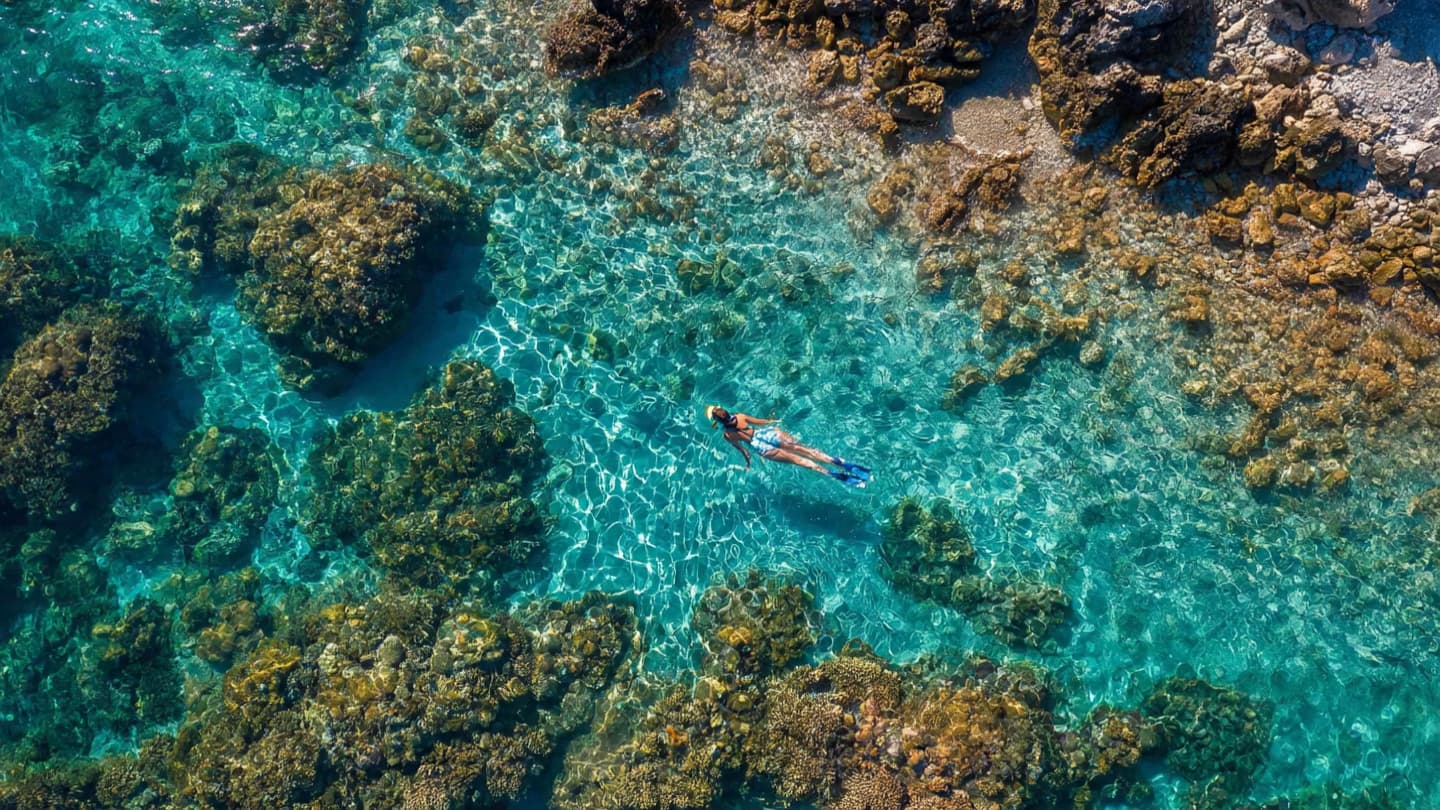
Fringing reefs are perfect for surface swimmers. Unlike barrier reefs, fringing reefs grow directly outward from the dry land. A healthy fringing reef features a flat, shallow sandy lagoon. This lagoon transitions into a vibrant reef crest just a short distance from shore. You can simply walk off the sand, put on your mask, and float over complex marine ecosystems.
Why Island Location Matters
Geography also dictates the clarity of the coastal water. Islands located far from major river deltas experience minimal sediment runoff. This guarantees exceptional underwater visibility that frequently exceeds twenty meters. Furthermore, protected natural bays shield the water from open ocean waves. These factors produce calm, glassy conditions that make breathing through a tube easy.
Why Shallow Reefs Offer the Best Color and Marine Life
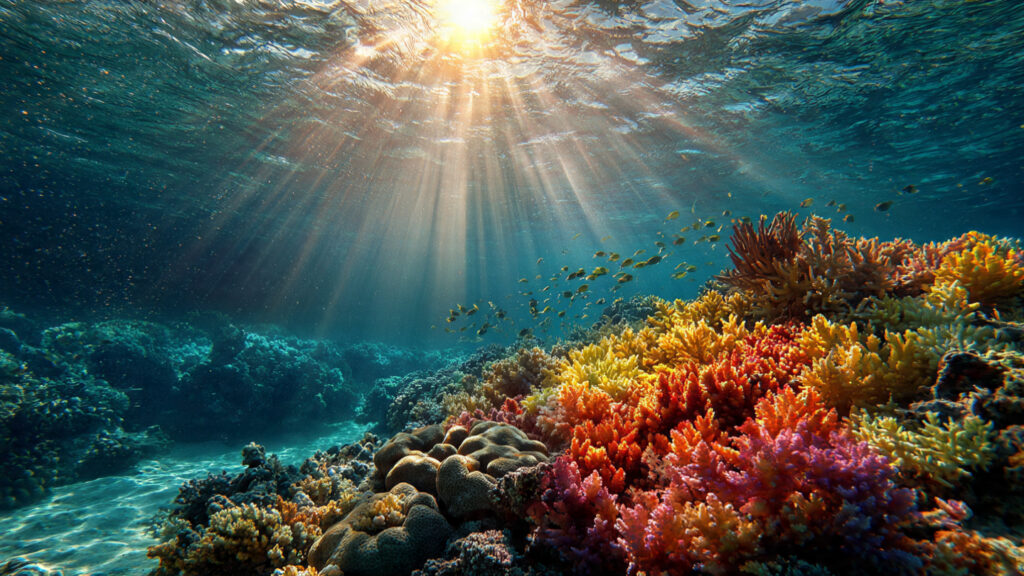
Many vacationers think you must dive deep into the ocean to see the best marine life. However, physics dictates that the brightest colors exist within the first few meters of the surface. This comes down to a property of water known as light absorption.
The Physics of Ocean Light
Sunlight is composed of a full spectrum of colors. As sunlight penetrates the ocean, the water column acts as a natural filter. Red light is completely filtered out within the first five meters of depth. Orange and yellow light disappear shortly after. By the time a scuba diver reaches deep water, everything looks dull blue. Because snorkelers stay at the surface, they view the environment under full, unfiltered solar radiation.
Biological Density in the Shallows
Shallow coral reefs are essentially the rainforests of the sea. The fastest-growing corals are found in the shallows because they need sunlight to survive. These dense fields of coral create an intricate labyrinth of tiny caves. This structural complexity provides critical shelter for thousands of tropical fish species. This is why prime snorkeling spots in Asia are so packed with active marine life.
Essential Safety Protocols for Non-Certified Surface Swimmers
Floating on the surface looks peaceful, but it takes place in a dynamic wilderness. Certified divers go through extensive training to manage risks. Casual snorkelers often enter the water with zero preparation. Following basic safety principles ensures that your uncertified ocean excursion remains entirely safe.
Managing Your Personal Buoyancy
The most critical factor for surface safety is proper buoyancy. Fatigue can set in quickly if you are swimming against unexpected coastal breezes. Wearing a lightweight snorkeling vest is highly recommended for all non-certified swimmers. You can inflate these vests to provide effortless flotation. This allows you to rest your muscles and focus purely on your breathing.
Evaluating Ocean Currents
Managing your physical exertion is another vital element of safety. Trying to swim aggressively against a changing tidal current causes rapid exhaustion. Before entering the water, observe the movement of floating debris to determine current direction. A smart strategy is to start by swimming directly into the current. When you get tired, you can let the moving water carry you back to your exit point.
Understanding and Respecting the Delicate Marine Environment
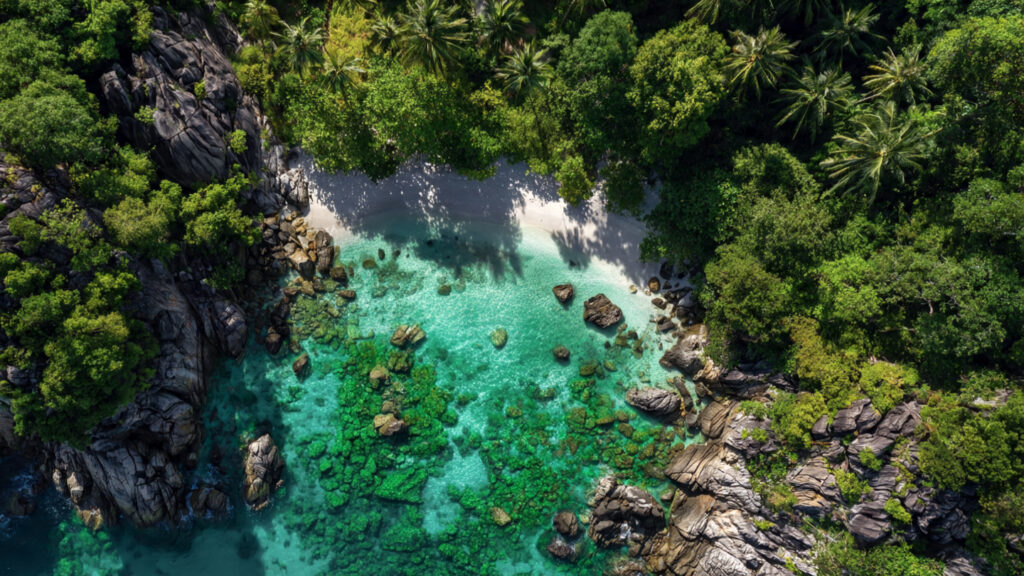
Entering the ocean means stepping into a fragile habitat facing severe ecological pressures. Snorkelers must take active steps to ensure their presence does not cause permanent damage.
Maintaining a Zero-Contact Policy
The number one rule is to maintain a strict zero-contact policy. Hard corals look like rocks, but they are delicate living animals. A single accidental kick from a swim fin can instantly snap a coral branch. Human skin also carries natural oils that can cause fatal coral diseases. If you need to take a break, find a deep sandy patch where your feet will not touch marine life.
Choosing Reef-Safe Sun Protection
Your choice of personal sun protection plays a major role in reef health. Standard commercial sunscreens contain toxic chemical compounds like oxybenzone. These chemicals wash off into the water and cause severe coral bleaching. To prevent this damage, switch to mineral-based sunscreens that utilize zinc oxide. Alternatively, wearing a long-sleeved UV rash guard completely eliminates the need for chemical lotions.
Top Destinations for Non-Divers
- Koh Tao, Thailand: This island features deeply indented granite bays that protect the inner waters from waves. In Tanote Bay, massive fields of brain coral begin just five meters from the sand. This makes it one of the easiest snorkeling spots in Asia to access directly from the beach. Snorkelers can wade out calmly and float alongside resident green sea turtles and harmless juvenile blacktip reef sharks.
- The Perhentian Islands, Malaysia: Situated off the northeastern coast, this archipelago consists of two main islands surrounded by a marine park. The shallow waters here are remarkably clear, with visibility consistently hovering around twenty-five meters. At Coral Bay, the underwater terrain consists of expansive shallow flats covered in vibrant sea anemones. Because commercial fishing is banned, these snorkeling spots in Asia are packed with dense fish populations.
- Moalboal, Philippines: Located on Cebu Island, Moalboal offers a breathtaking marine spectacle that is completely accessible without a dive license. Just thirty meters off Panagsama Beach, the shallow reef flat drops off vertically into a deep ocean trench. Along this exact edge, millions of wild sardines reside year-round. Snorkelers can simply swim out from the beach to float directly inside these swirling vortexes of silver fish.
- Nusa Lembongan, Indonesia: Located near Bali, this smaller limestone island offers spectacular shallow-water marine interactions. At Mangrove Point, a massive mangrove forest filters the coastal water, creating a thriving nursery for reef fish. The incoming tides create a gentle drift current. This allows snorkelers to float effortlessly over miles of pristine coral fields without needing to kick their fins.
- Baa Atoll, Maldives: This region is home to some of the most strictly protected surface-only marine sanctuaries in the Indian Ocean. Within Hanifaru Bay, a unique funnel-shaped reef concentrates massive amounts of plankton between May and November. Because scuba diving is completely banned inside the bay, it creates an elite environment exclusively for surface snorkelers. Swimmers can coast alongside massive manta rays in waters just a few meters deep.
Choosing the Right Gear for a Certification-Free Excursion
Having a stress-free time depends heavily on the quality of your personal equipment. Many travelers rely on cheap, low-grade gear rented from beachside shacks. This frequently leads to constant mask fogging and jaw fatigue. Selecting high-quality equipment completely transforms your ability to observe the underwater world calmly.
Finding a Watertight Mask Fit
The most critical piece of equipment is a properly fitting silicone mask. High-grade liquid silicone conforms seamlessly to the unique contours of your face. To test a mask’s fit, press it gently against your face without using the strap. Inhale lightly through your nose. If the mask creates a vacuum and stays on, it will form a watertight seal in the ocean.
Selecting the Ideal Snorkel Tube
Your choice of snorkel tube should match your personal comfort level. Traditional open-top tubes are lightweight but require a forceful breath to clear out splashed water. For beginners, a dry-top snorkel is an exceptional tool. These modern snorkels feature a small floating valve that seals shut the moment waves wash over you. This completely prevents ocean water from entering your mouth.
Planning Logistics for Independent Snorkeling Trips
Organizing a successful snorkeling trip without a commercial tour company requires careful logistical planning. When you do not have a professional guide, you become responsible for your own safety.
Researching Monsoons and Visibility
The first step is researching the seasonal monsoons that dictate underwater conditions. Most tropical destinations in Southeast Asia experience distinct wet and dry seasons. For example, the west coast of Thailand and the east coast of Malaysia operate on opposite schedules. Always cross-reference your travel dates with specific local visibility windows to maximize your experience at various snorkeling spots in Asia.
Coordinating with Local Boat Operators
Reaching remote marine sanctuaries or isolated offshore coves often requires hiring a local wooden boat. Before leaving the beach, sit down with the captain to explicitly map out your route. Agree on a fixed price and confirm that the vessel carries life jackets. You should also verify that the boat has a sturdy boarding ladder, as climbing back into a boat from deep water can be difficult.
Spotting Marine Micro-Habitats from the Surface
To appreciate the biodiversity of these ecosystems, you must focus on distinct marine micro-habitats. A novice snorkeler will glance down, see a field of coral, and quickly swim past. A practiced observer knows that the most fascinating marine interactions occur within tiny, localized zones.
| Micro-Habitat Zone | Geological Structure | Key Resident Species |
| The Shallow Reef Flat | Flat sandy patches interspersed with small rock bombes right off the beach. | Stingrays, ghost pipefish, juvenile blacktip reef sharks, sand gobies. |
| The Live Coral Crest | The highest point of the reef where waves break and sunlight is most intense. | Parrotfish, damselfish, butterflyfish, giant clams, acropora coral polyps. |
| The Vertical Drop-Off | The dramatic underwater cliff face where the shallow reef transitions into deep ocean. | Schools of jacks, barracudas, pelagic predators, sea turtles, sea fans. |
Exploring the Sandy Flats
Start your swim by exploring the shallow sandy flats closest to the beach. These fields of white sand are highly active hunting grounds for creatures that rely on camouflage. By floating perfectly still, you can spot blue-spotted ribbontail rays hovering over the sand beds. You can also look for the symbiotic relationships between blind pistol shrimps and watchful goby fish. The shrimp digs the burrow, while the sharp-eyed fish acts as a lookout sentinel.
Scanning the Reef Crest and Walls
Once you move outward to the primary live coral crest, alter your visual focus to watch small openings. Massive brain corals often feature small tunnels that are home to colorful Christmas tree worms. These creatures extend feather-like tentacles to catch food, but they snap shut if your shadow passes over them. Along the sides of vertical walls, keep a close eye out for shaded overhangs. These zones are the preferred resting places for nocturnal lionfish and sleeping green sea turtles.
How to Find Safe Snorkeling Spots in Asia
When traveling without a guide, finding safe snorkeling spots in Asia requires active local research. Do not rely solely on old blog posts or outdated guidebooks. Coastal environments change rapidly due to storms and local development.
Talking to Local Residents
The most reliable information always comes from people who see the water every day. Talk to local dive shop staff, hotel receptionists, and fishermen before you swim. Ask about current daily conditions, stinging jellyfish sightings, and boat traffic zones. Locals can point you toward hidden, protected coves that do not appear on standard tourist maps.
Utilizing Modern Satellite Apps
You can also use modern satellite mapping apps to evaluate coastal terrain before arriving. Look for light blue areas surrounded by darker blue deep water. Light blue zones indicate shallow sand or coral flats that are perfect for surface swimmers. Dark lines cutting through the reef show channels where currents might be strong, helping you plan a safe entry and exit route.
References
- The Coral Triangle Initiative: An international partnership dedicated to preserving the world’s richest marine region.
- UNESCO World Heritage Centre – Marine Programme: Detailed documentation on protected biosphere reserves and marine parks in Asia.