Planning your first African safari is exciting, but it can also feel confusing. There are many countries, parks, seasons, and price levels to compare. You may want to see lions, elephants, giraffes, rhinos, or the Great Migration. You may also wonder how much the trip will cost and when you should go.
A safari is different from a normal holiday. The best wildlife areas are often far from major cities. Roads can be rough, park fees can be high, and lodges may sell out early. Because of this, good planning matters. The right plan can help you avoid high costs, rushed travel, and poor timing.
This guide explains how to plan your first african safari in a clear and practical way. It covers costs, the best parks, the best time to go, safari styles, packing tips, and common mistakes. The goal is simple: help you choose a safari that fits your budget, comfort level, and travel style.
Why Your First African Safari Needs Careful Planning
A safari works best when the details are planned early. Wildlife parks are large, and travel between them can take many hours. Some lodges are inside national parks, while others are outside the gates. This affects your travel time and the quality of your game drives.
Price is also important, but it should not be the only factor. A cheap safari may look good at first. However, it may exclude park fees, use basic camps far from the reserve, or include fewer game drives. A more expensive trip may offer better guides, better locations, and less wasted travel time.
For a first african safari, comfort and timing matter as much as the destination. You do not need to visit every famous park. A focused route with two or three strong wildlife areas is often better. It gives you more time in nature and a better chance of special sightings.
How Much Does a First African Safari Cost?
Safari prices vary a lot. The final cost depends on the country, season, park fees, lodge level, guide, transport, and group size. As a simple guide, budget safaris can start from about USD 180 to USD 300 per person per day. These often use shared vehicles, simple camps, or basic lodges.
Mid-range safaris usually cost about USD 350 to USD 700 per person per day. This level is often the best choice for first-time travelers. It usually includes a guide, game drives, meals, park logistics, and comfortable accommodation. Luxury safaris can cost more than USD 800 to USD 1,500 per person per day.
Do not compare safari prices by headline cost only. Always check what is included. Park fees, meals, transfers, drinking water, guide fees, and internal flights can change the total price. International flights, visas, tips, insurance, and vaccines are usually extra. For many travelers, a 5 to 7 day mid-range safari may cost around USD 2,000 to USD 5,000 per person before long-haul flights.
Best African Safari Parks for First-Time Travelers
Some parks are easier for beginners than others. The best choice depends on your budget, travel style, and wildlife goals. These parks are strong options for a first african safari:
- Masai Mara, Kenya: A classic safari choice with open grasslands, big cats, and Great Migration viewing in peak months.
- Serengeti National Park, Tanzania: Famous for wide plains, predators, and the Great Migration across different seasons.
- Ngorongoro Crater, Tanzania: A dramatic wildlife area with high animal density in a compact setting.
- Kruger National Park, South Africa: A flexible option for self-drive, guided drives, public camps, and private reserves.
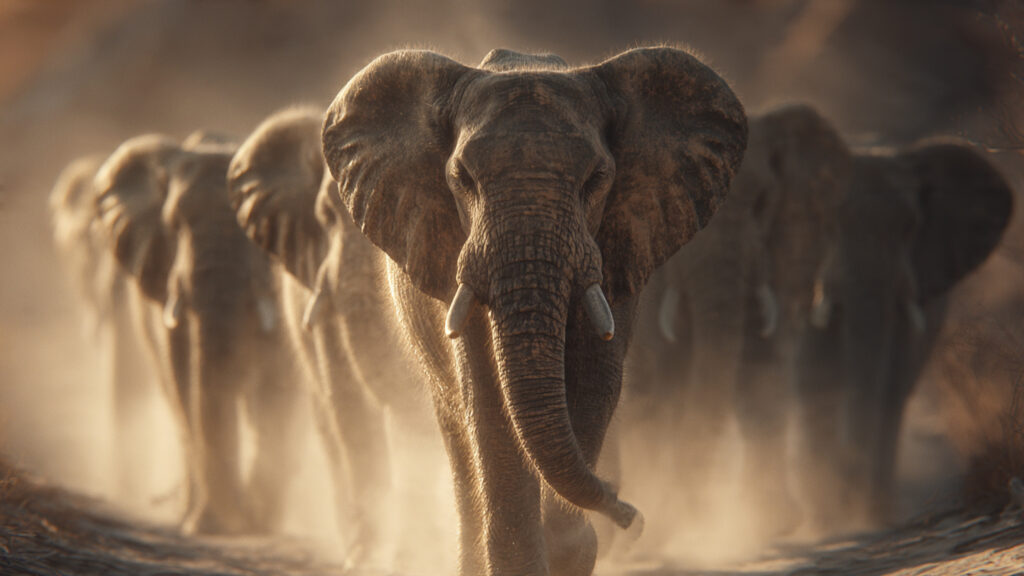
- Chobe National Park, Botswana: Known for elephants, river safaris, and easy links with Victoria Falls.
- Okavango Delta, Botswana: A premium wilderness area with water channels, remote camps, and unique safari activities.
- Etosha National Park, Namibia: A strong self-drive option with open landscapes and waterhole wildlife viewing.
- Bwindi Impenetrable Forest, Uganda: Best for gorilla trekking, often combined with other Uganda wildlife areas.
Each park offers a different experience. Kenya and Tanzania feel very classic and cinematic. South Africa is easier for flexible planning. Botswana is quieter and more exclusive. Namibia is ideal for road trips and desert scenery. Uganda is best if gorillas are your main dream.
Best Time to Go on Your First African Safari
The dry season is usually the easiest time for a first safari. In many safari areas, this falls between June and October. During dry months, animals gather near rivers and waterholes. Grass is also shorter, so wildlife can be easier to see.
East Africa has more seasonal movement. The Great Migration moves through Tanzania and Kenya during the year. The Masai Mara is popular from July to October, especially for river crossings. Tanzania’s Serengeti can also be excellent from January to March during calving season.
Southern Africa is often strong from May to October. Kruger, Chobe, the Okavango Delta, Zambia, and Zimbabwe can offer excellent dry-season wildlife viewing. The green season can also be beautiful. It brings lush landscapes, baby animals, and birds. However, wildlife may be harder to spot because water is more spread out.
Choosing the Right Safari Country
Kenya is a great choice for a classic first safari. It offers famous parks, strong wildlife, and well-developed tourism services. Masai Mara is the main highlight, but Amboseli, Lake Nakuru, and Laikipia can also be added. Kenya is ideal if you want big cats, elephants, and open savannah views.
Tanzania is best for a longer and more iconic route. Serengeti, Ngorongoro Crater, Tarangire, and Lake Manyara are often combined. This country is excellent for wildlife lovers, but travel distances can be long. Costs can also be high in peak season.
South Africa is one of the easiest safari countries for beginners. Kruger National Park offers many price levels and good infrastructure. Botswana is better for travelers who want quiet wilderness and have a higher budget. Namibia suits independent travelers who enjoy road trips, deserts, and self-drive safaris.
How Many Days Do You Need for a First African Safari?
A good first safari usually needs 5 to 7 safari days. This gives you enough time for early morning drives, evening drives, and quiet wildlife moments. A short 3-day safari can work, but it gives less room for weather, travel delays, or slow sightings.
Try to stay at least two nights in each main wildlife area. One-night stops can feel rushed. You may spend too much time packing, driving, and checking in. Two or three nights in one strong park is often better than visiting too many places.
If you want beach time or city time, add extra days. Many travelers combine Tanzania with Zanzibar, Kenya with Diani Beach, South Africa with Cape Town, or Botswana with Victoria Falls. A 10 to 14 day total trip works well for many first-time visitors.
Safari Styles: Private, Shared, Self-Drive, and Fly-In
Safari style affects both cost and comfort. A private safari gives you your own vehicle and guide. This is more flexible and personal. It works well for couples, families, photographers, and travelers with specific interests.
A shared safari is usually cheaper. You share the vehicle with other travelers. This can be social and good for your budget. The downside is less control over timing, stops, and seat space.
Self-drive safaris are popular in South Africa and Namibia. Kruger and Etosha are two of the best places for this style. Fly-in safaris are common in remote areas such as Botswana and parts of Tanzania. They save time but cost more. For most first-time visitors, a guided road safari is the simplest balance of price, safety, and experience.
What to Pack for Your First African Safari
Safari packing should be simple and practical. You need comfortable clothes, sun protection, and useful travel basics. Neutral colors are best because they blend well with the environment. Soft bags are also easier to use in safari vehicles and small planes.
- Lightweight shirts and trousers in neutral colors
- Warm jacket or fleece for early morning drives
- Comfortable closed shoes
- Sun hat, sunglasses, and sunscreen
- Binoculars for wildlife viewing
- Camera or phone with extra memory
- Power bank and travel adapter
- Insect repellent
- Basic medicine and personal prescriptions
- Small day bag for game drives
- Reusable water bottle if suitable for your trip
- Copies of passport, visa, insurance, and booking details
Avoid packing too much. Safari camps are usually casual. Many lodges offer laundry service, although rules can vary. Bright white clothes get dusty fast. Dark blue and black may attract insects in some areas. Camouflage clothing should also be avoided in many African countries.
Common Mistakes to Avoid on a First African Safari
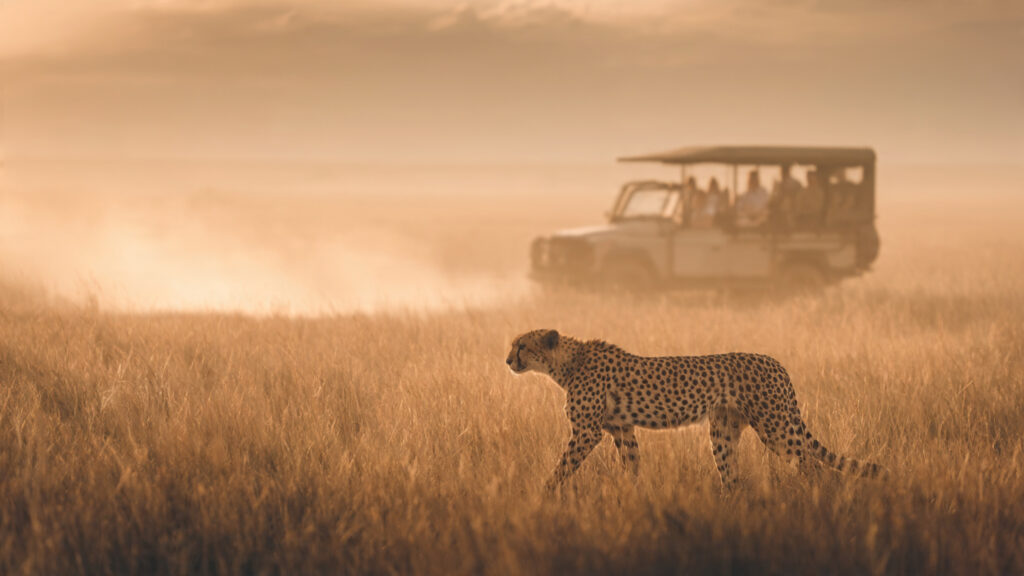
One common mistake is trying to visit too many parks. Safari travel is slower than it looks on a map. Long drives, rough roads, and early starts can make a packed route tiring. A simpler itinerary usually gives a better experience.
Another mistake is choosing the cheapest offer without checking the details. A low price may exclude park fees, meals, transfers, or enough game-drive time. Always ask for a clear written breakdown before booking.
Many first-time visitors also expect famous animals to appear quickly. Safari is not a zoo. You may see lions on the first drive, or you may wait for days. Stay patient and enjoy the full landscape. Elephants, birds, tracks, sunsets, and quiet moments are part of the experience too.
Final Safari Planning Checklist
Before booking your first african safari, review the main details carefully. This checklist can help you avoid simple mistakes:
- Choose your safari country or region.
- Decide your main goal, such as Big Five, migration, gorillas, elephants, or landscapes.
- Set a realistic total budget.
- Check the best season for your chosen parks.
- Choose two or three main wildlife areas.
- Stay at least two nights in key safari locations.
- Confirm if the safari is private, shared, self-drive, or fly-in.
- Ask what type of vehicle will be used.
- Check how many people will share the vehicle.
- Confirm if your lodge is inside or outside the park.
- Ask what is included and excluded.
- Buy travel insurance before the trip.
- Book early for peak season and famous parks.
A first African safari can be one of the most memorable trips of your life. The key is to keep the plan clear and realistic. Choose the right country, travel in the right season, and give yourself enough time in nature. Whether you visit Kenya, Tanzania, South Africa, Botswana, Namibia, or Uganda, the best safari moments often happen when you slow down and let the wild world unfold around you.
References
- South African National Parks — Kruger National Park Rates & Entry Fees: Useful for checking official conservation fees and visitor pricing for Kruger National Park.
- Masai Mara National Reserve / Narok County fee information: Useful for checking current seasonal park fee structures when planning a Kenya safari.