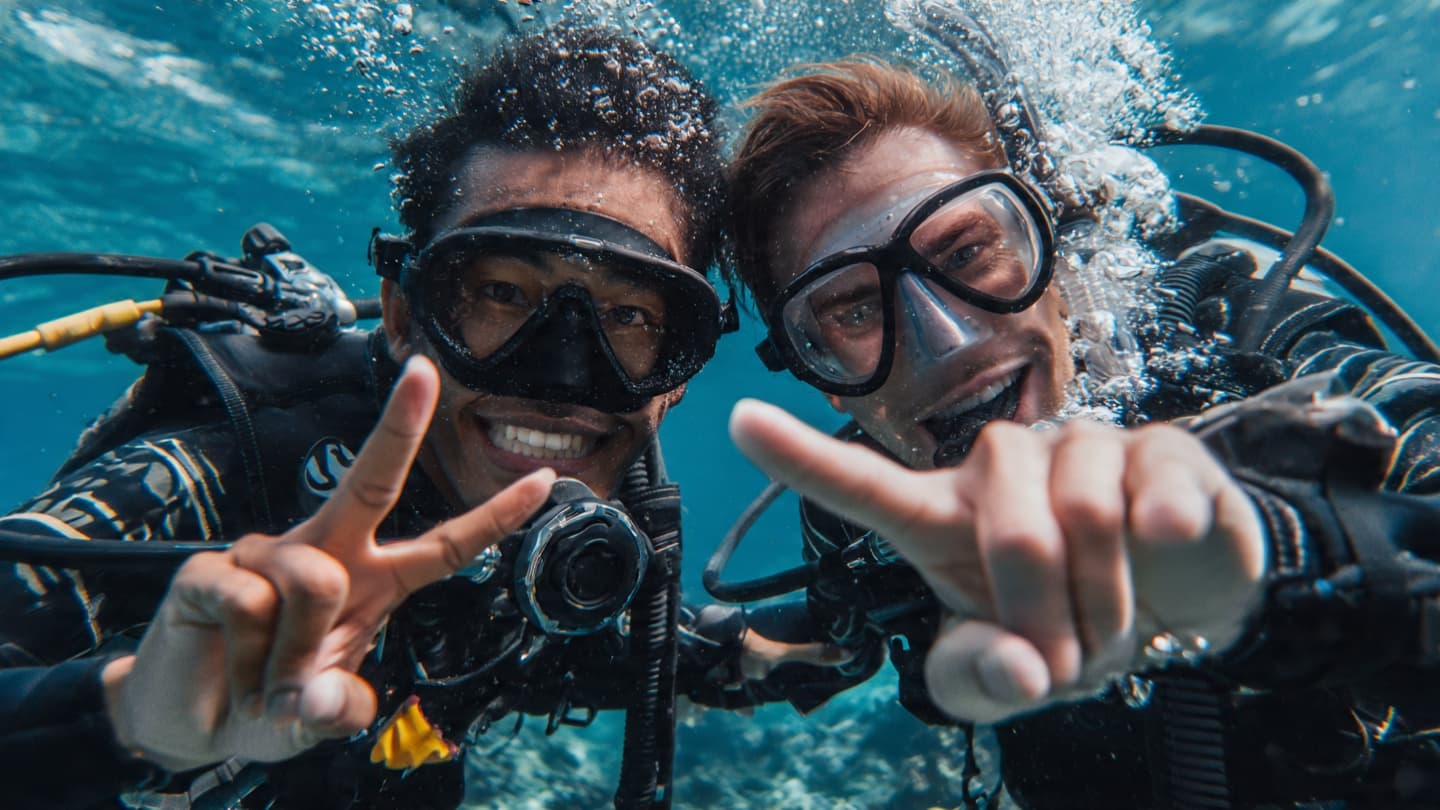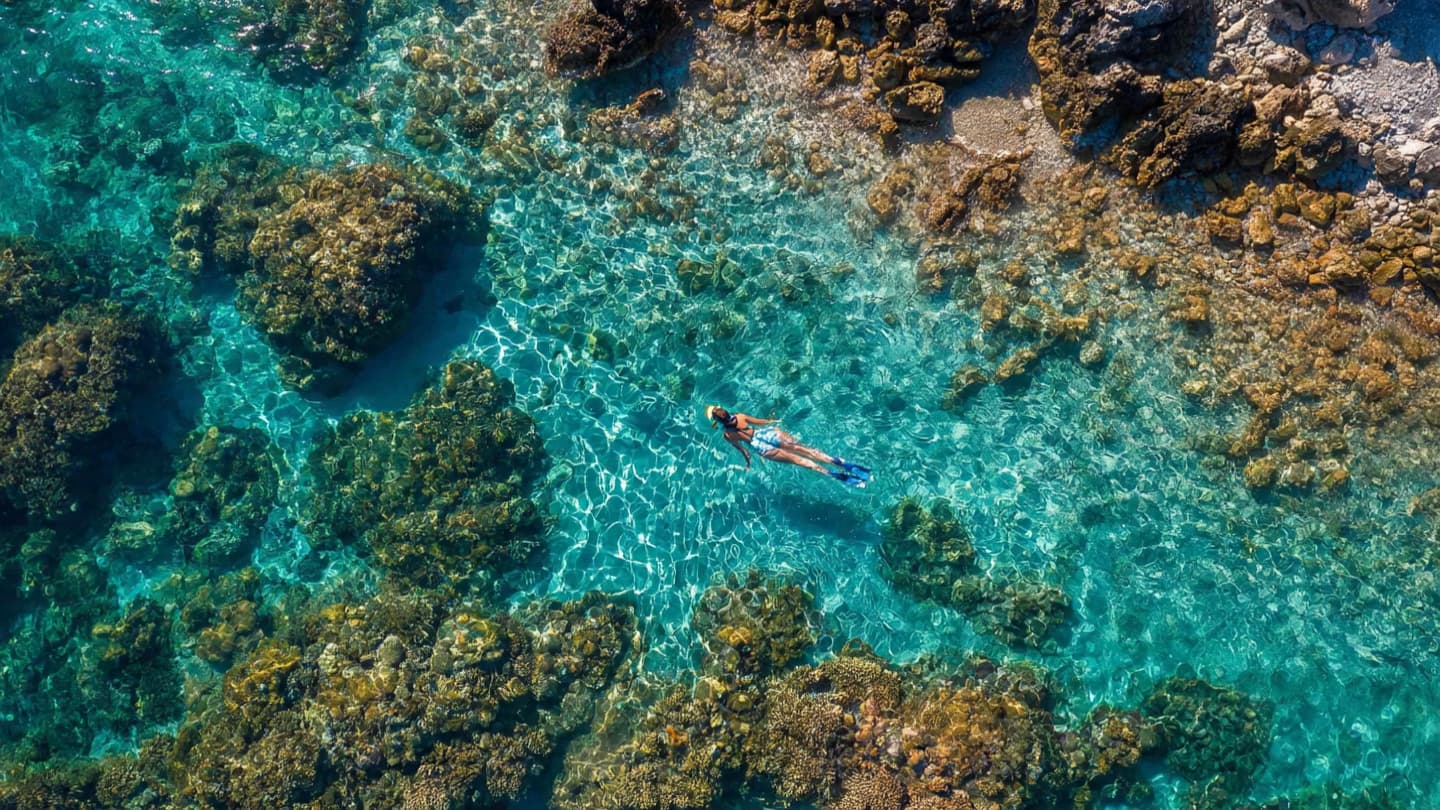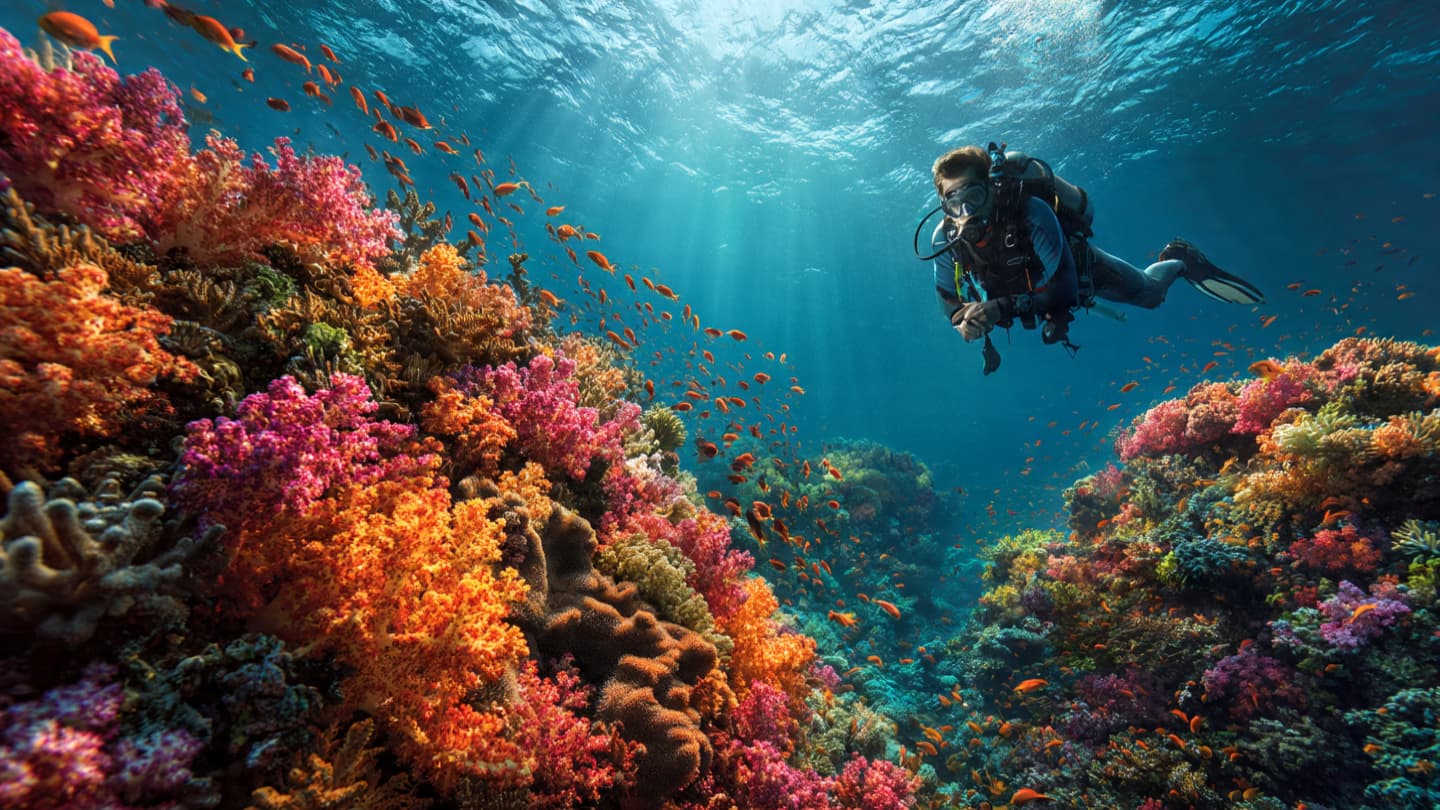
The best dive sites world travelers dream about are not all the same. Some are calm, shallow, and perfect for beginners who want colorful coral, warm water, and easy conditions. Others are deeper, stronger, and more suitable for experienced divers who want wrecks, walls, drift dives, sharks, manta rays, or remote liveaboard adventures. This is what makes scuba diving such a powerful travel experience. Every destination has its own underwater personality. Some places are famous for visibility, some for marine biodiversity, some for wreck history, and others for rare encounters with large ocean species. Whether you are planning your first serious dive trip or looking for your next advanced challenge, this guide will help you understand the best dive sites world divers should consider for both safety and unforgettable underwater beauty.
Why the Best Dive Sites World Travelers Choose Depend on Skill Level
Choosing the best dive sites world travelers can enjoy starts with understanding skill level. A beginner diver usually needs calm water, good visibility, shallow depth, easy entries, and experienced local dive guides. These conditions help new divers build confidence without feeling rushed or overwhelmed. Beginner-friendly dive sites are often reef-based, close to shore, and protected from strong currents. They are ideal for practicing buoyancy, breathing control, underwater awareness, and basic navigation while still enjoying beautiful marine life. For many new divers, the best site is not the most famous one. It is the place where they can feel safe, relaxed, and excited to keep diving.
Experienced divers often look for different conditions. They may want stronger currents, deeper walls, historic wrecks, night dives, caverns, drift dives, or big-animal encounters. These sites can be spectacular, but they also require better control, more training, and honest self-assessment. Advanced divers should consider certification level, recent dive experience, local conditions, and emergency planning before booking a destination. A dive site that is perfect for one diver may be too demanding for another. That is why this guide separates beginner-friendly options from more advanced destinations while still focusing on the best dive sites world travelers can realistically plan.
Best Dive Sites World Beginners Should Consider First
For beginner divers, the goal is to experience beautiful underwater scenery without facing unnecessary stress. These destinations are often recommended because they offer warm water, accessible dive centers, reef life, and manageable conditions. They are also good choices for travelers who want to combine diving with a relaxed beach holiday.
- Bonaire, Caribbean: Bonaire is one of the best places for beginner divers because many sites are accessible from shore. The water is usually clear, marine life is rich, and many reefs are protected from harsh conditions.
- Koh Tao, Thailand: Koh Tao is popular for entry-level scuba courses, affordable dive packages, and calm tropical conditions. It is a strong option for travelers who want to learn diving in Southeast Asia.
- Great Barrier Reef, Australia: Many outer reef trips from Cairns and Port Douglas are suitable for beginners when guided properly. The reef offers colorful coral, tropical fish, and well-organized day trips.
- Cozumel, Mexico: Cozumel is famous for drift diving, but many operators can match beginner divers with easier sites. Clear water, coral formations, and turtles make it a memorable first dive trip.
- Roatán, Honduras: Roatán offers warm Caribbean diving, reef walls, and many accessible dive shops. It is often considered beginner-friendly while still being interesting for certified divers.
- Maldives house reefs: Some resort islands in the Maldives offer easy house reef dives with calm conditions, clear water, and tropical marine life close to the beach.
- Gili Islands, Indonesia: The Gili Islands are popular for relaxed diving, turtle sightings, warm water, and beginner courses, especially for travelers already visiting Bali or Lombok.
These beginner destinations are good starting points because they allow divers to enjoy the ocean without feeling pushed into difficult conditions too soon. New divers should still check weather, currents, dive operator quality, and certification requirements before entering the water. Even beginner-friendly sites can become challenging when conditions change.
Great Barrier Reef, Australia: A Legendary Reef for All Levels
The Great Barrier Reef remains one of the best dive sites world travelers recognize instantly. It is the largest coral reef system on Earth and offers many different diving experiences across a huge area. For beginners, guided reef dives from Cairns, Port Douglas, or the Whitsundays can provide a comfortable introduction to coral gardens, tropical fish, giant clams, reef sharks, and sea turtles. Many operators offer introductory dives, certification courses, and shallow reef options, making the Great Barrier Reef one of the most accessible big-name diving destinations.
Experienced divers can go beyond the most common day-trip reefs and explore more remote sections, including the Ribbon Reefs, Cod Hole, Osprey Reef, and liveaboard routes. These areas can offer better visibility, larger marine life, deeper walls, and more dramatic reef structures. Some sites are more suitable for advanced divers due to depth, distance, or currents. The Great Barrier Reef is also a reminder that responsible diving matters. Coral reefs are sensitive ecosystems, and divers should avoid touching coral, chasing animals, or damaging the reef with poor buoyancy. For travelers who want a world-famous diving experience with options for different skill levels, Australia remains one of the strongest choices.
Red Sea, Egypt: Clear Water, Coral Walls, and Historic Wrecks
The Red Sea is one of the best dive sites world divers return to again and again because it combines clear visibility, warm water, colorful reefs, and famous wrecks. Egypt is the most popular gateway, especially through Sharm El-Sheikh, Hurghada, Marsa Alam, and liveaboard routes. Beginners can enjoy calm reef dives, shallow coral gardens, and guided boat trips with excellent visibility. The marine life is colorful and varied, with reef fish, moray eels, rays, turtles, and sometimes dolphins. The Red Sea is also attractive because it can offer strong diving value compared with many long-haul island destinations.
For experienced divers, the Red Sea becomes even more exciting. Sites like the SS Thistlegorm are legendary among wreck divers, while Ras Mohammed, Brothers Islands, Daedalus, and Elphinstone offer walls, currents, pelagic encounters, and deeper profiles. These advanced sites can be demanding, so divers should be comfortable with drift diving, depth control, and guide instructions. The Red Sea is a good example of a destination that serves both beginners and serious divers, depending on the route chosen. It is also a strong option for travelers who want a mix of diving, desert landscapes, and historical travel in one trip.
Maldives: Atolls, Manta Rays, Whale Sharks, and Luxury Dive Travel
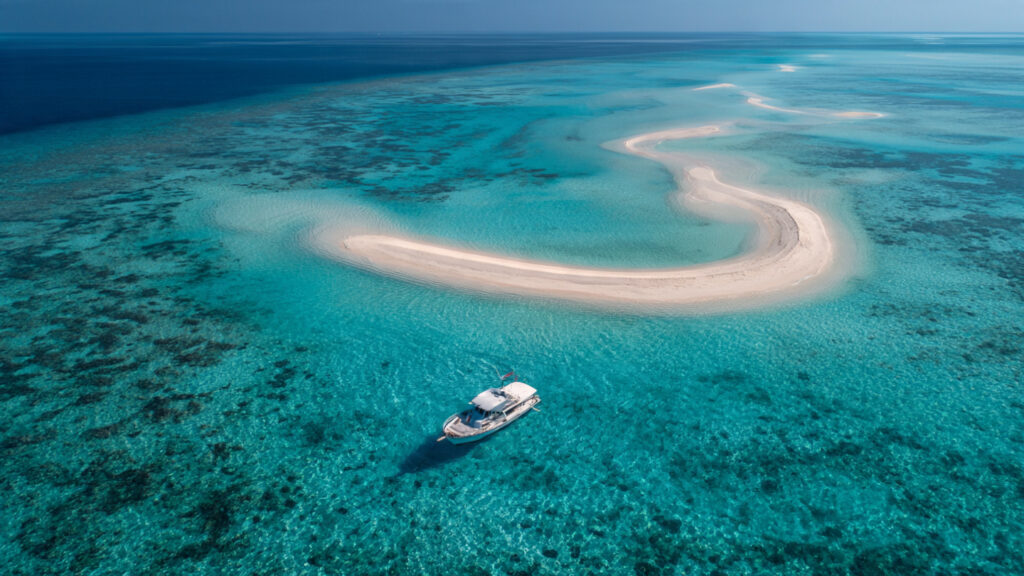
The Maldives is one of the best dive sites world travelers choose when they want tropical beauty, clear water, resort comfort, and big marine life. The country is made up of atolls, lagoons, channels, reefs, and island resorts, creating many different dive environments. Beginners can enjoy calm lagoon dives, house reefs, and easy boat dives with professional dive centers. Many resort islands are designed around marine access, so diving can become part of the daily rhythm rather than a complicated expedition. Warm water and good visibility also make the Maldives attractive for newer divers.
Experienced divers often visit the Maldives for channel dives, manta cleaning stations, whale shark areas, and liveaboard routes. Strong currents can create exciting drift dives and attract larger marine life, but they also require confidence and experience. Atolls such as North Malé, South Malé, Ari, Baa, and Vaavu all offer different diving styles. The Maldives is especially appealing for divers who want a polished travel experience with high-quality resorts or liveaboards. However, it is important to choose the season carefully because visibility, currents, and marine life encounters vary by region and time of year.
Galápagos and Raja Ampat: Advanced Dream Destinations
Some of the best dive sites world experienced divers talk about most are not always ideal for beginners. The Galápagos Islands in Ecuador and Raja Ampat in Indonesia are two dream destinations that attract serious underwater travelers. The Galápagos is famous for large marine life, including hammerhead sharks, sea lions, marine iguanas, rays, turtles, and sometimes whale sharks. Sites such as Darwin and Wolf are especially famous, but they are usually recommended for experienced divers because of currents, colder water, depth, and remote conditions. Diving here can feel wild, powerful, and unpredictable.
Raja Ampat, on the other hand, is often described as one of the richest marine biodiversity areas in the world. Located in Indonesia’s West Papua region, it offers coral reefs, schooling fish, manta rays, macro life, reef sharks, and dramatic underwater landscapes. Some sites can be suitable for intermediate divers, but many of the most rewarding dives involve currents and require good buoyancy control. Raja Ampat is remote and often expensive to reach, but for experienced divers it can be one of the most meaningful dive trips possible. These destinations show that the best dive sites world experts admire are often the places where preparation matters most.
Caribbean and Mexico: Accessible Diving with Big Variety
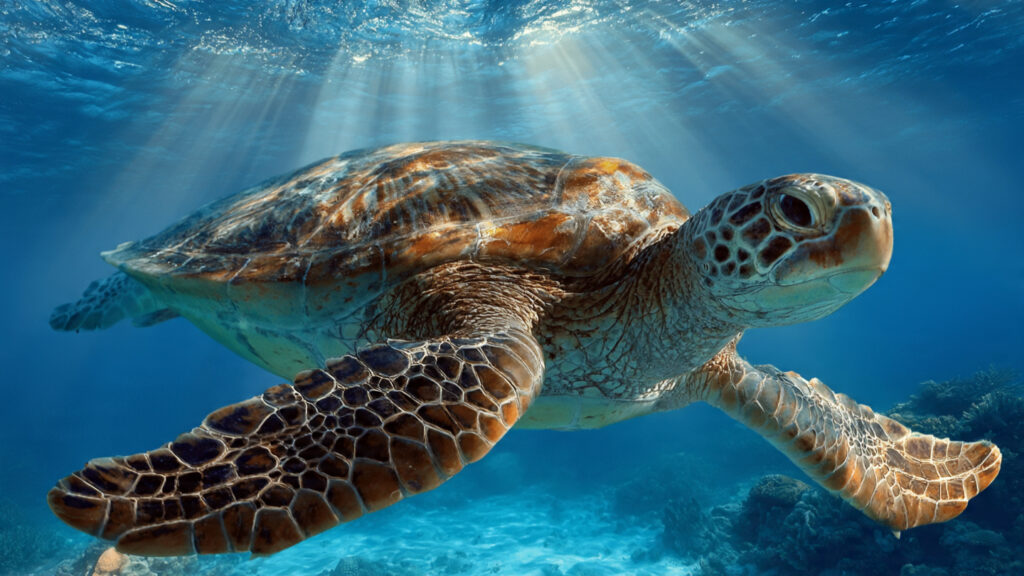
The Caribbean and Mexico offer some of the best dive sites world travelers can access without overly complicated logistics. Bonaire is especially loved for shore diving, easy navigation, and healthy reef access. Cozumel is famous for drift diving along the Mesoamerican Barrier Reef, with clear water, coral formations, turtles, rays, and colorful fish. Roatán in Honduras and Belize’s barrier reef also offer strong options for divers who want a relaxed tropical trip with reliable dive infrastructure. These destinations are especially useful for beginners and intermediate divers because they combine good conditions with plenty of dive shops and accommodation choices.
Mexico also offers one of the world’s most unique diving experiences: cenotes. These freshwater sinkholes and cavern systems near the Yucatán Peninsula are visually stunning, with clear water, beams of light, limestone formations, and surreal underwater scenery. However, cenote diving should be approached carefully. Some cenotes are suitable for recreational divers with proper guides, while cave diving requires special training and equipment. This makes Mexico a destination where travelers can start with reef diving and later progress into more specialized environments. For accessibility, variety, and travel comfort, the Caribbean and Mexico are excellent choices.
How to Choose the Best Dive Sites World Travelers Can Enjoy Safely
The right dive destination is not only about beauty. Safety, training, timing, and personal comfort are just as important. Before booking any of the best dive sites world travelers recommend, compare the destination with your actual experience level and recent dive history.
- Match the dive site to your certification level and recent experience.
- Check whether the site has strong currents, deep profiles, cold water, or overhead environments.
- Choose reputable dive operators with clear safety briefings and well-maintained equipment.
- Ask about group size, guide-to-diver ratio, and emergency procedures.
- Review seasonal conditions, including visibility, water temperature, currents, and marine life timing.
- Consider a refresher course if you have not dived for a long time.
- Buy travel insurance that clearly covers scuba diving and emergency evacuation.
- Avoid touching coral, feeding marine life, or collecting anything from the ocean.
- Practice buoyancy control before visiting fragile reefs.
- Plan rest time before flying after diving.
- Be honest with yourself if a dive feels beyond your current ability.
- Respect local marine park rules, fees, and conservation guidelines.
Choosing carefully does not make a dive trip less exciting. It makes the experience better. The safest divers are usually the ones who enjoy the ocean the most because they are relaxed, prepared, and aware of their limits. A well-planned trip gives you more time to focus on marine life, photography, and the feeling of being underwater instead of worrying about preventable problems.
Responsible Diving and the Future of the World’s Best Dive Sites
The best dive sites world travelers love are also fragile places. Coral reefs support huge marine biodiversity, protect coastlines, and help local tourism economies, but they are under pressure from warming seas, pollution, careless tourism, overfishing, and physical damage. Divers are often people who care deeply about the ocean, but even well-meaning visitors can cause harm if they touch coral, kick the reef, disturb animals, or choose irresponsible operators. Good diving behavior matters because small actions repeated by thousands of tourists can have a large effect.
Responsible divers should control buoyancy, keep fins away from coral, avoid chasing wildlife, use reef-safe sun protection when appropriate, and support marine protected areas. They should also choose dive shops that follow environmental best practices and educate guests about local ecosystems. The future of diving depends on protecting the places that make the sport special. The best dive sites world travelers visit today should still be beautiful for the next generation of divers. A great dive trip is not only about what you see underwater. It is also about how carefully you leave it behind.
The best dive sites world travelers should consider depend on experience, comfort, budget, and the kind of underwater adventure they want. Beginners may love Bonaire, Koh Tao, the Gili Islands, Roatán, Cozumel, or gentle sections of the Great Barrier Reef. More experienced divers may dream of the Red Sea’s wrecks, the Maldives’ channel dives, the Galápagos’ big marine life, or Raja Ampat’s biodiversity. There is no single perfect dive destination for everyone. The best choice is the place that matches your skills while still giving you a sense of wonder.
Scuba diving is one of the most memorable ways to travel because it opens a world most people never see. It can be peaceful, thrilling, educational, and deeply emotional all at once. Whether you are hovering above a coral reef, drifting along a wall, exploring a wreck, or watching a turtle glide through blue water, the ocean has a way of making travel feel bigger. With the right planning, honest preparation, and responsible diving habits, the best dive sites world travelers choose can become more than just holiday stops. They can become lifelong memories.
References
- PADI Dive Guides: Useful for comparing dive destinations, site types, difficulty levels, marine life, and beginner-friendly or advanced dive options around the world.
- NOAA Fisheries Coral Reef Conservation: Helpful for understanding coral reef ecosystems, reef protection, biodiversity, and the environmental pressures facing dive destinations.