Planning a first trip to Japan can feel exciting but overwhelming. There are endless cities, temples, food streets, neighborhoods, and cultural experiences to choose from. For many first-time visitors, the best route is the classic Tokyo, Kyoto, and Osaka journey. This 10-day Japan itinerary gives you a balanced introduction to modern city life, traditional culture, historic temples, local food, shopping, and easy train travel.
This route is often called Japan’s “Golden Route” because it connects three of the country’s most popular destinations. Tokyo gives you the energy of modern Japan, Kyoto brings you closer to temples, gardens, shrines, and old streets, while Osaka offers a fun food scene, friendly nightlife, and easy access to nearby attractions. Together, they create a Japan itinerary that feels complete without trying to do too much.
In this guide, you will find a practical 10-day Japan itinerary designed for travelers who want a professional but easy-to-follow plan. The pace is active, but not rushed. You will have enough time to see major highlights while still enjoying the small moments that make Japan special, such as walking through quiet alleys, eating at local restaurants, visiting convenience stores, riding clean trains, and exploring neighborhoods at your own pace.
Quick 10-Day Japan Itinerary Overview
- Day 1: Arrive in Tokyo, check in, explore Shinjuku or Shibuya.
- Day 2: Visit Asakusa, Ueno, Akihabara, and Tokyo Skytree area.
- Day 3: Explore Harajuku, Meiji Shrine, Omotesando, and Shibuya.
- Day 4: Enjoy Tsukiji Outer Market, Ginza, teamLab or Odaiba, and Tokyo nightlife.
- Day 5: Travel from Tokyo to Kyoto by Shinkansen and explore Gion.
- Day 6: Visit Fushimi Inari Shrine, Kiyomizu-dera, and Higashiyama.
- Day 7: Explore Arashiyama, Kinkaku-ji, and Nishiki Market.
- Day 8: Travel from Kyoto to Osaka, visit Dotonbori and Namba.
- Day 9: Explore Osaka Castle, Shinsekai, Kuromon Market, or Universal Studios Japan.
- Day 10: Final shopping, food, and departure from Osaka or return to Tokyo.
Day 1 to Day 4: Start Your Japan Itinerary in Tokyo

Tokyo is the best place to begin this Japan itinerary because it gives you an immediate sense of the country’s scale, energy, and convenience. After arriving, keep your first day light. International flights can be tiring, and Tokyo is easier to enjoy when you are not rushing. Check in to your hotel, get your transport card or mobile IC card ready, and spend your first evening in Shinjuku or Shibuya. Both areas are lively, easy to navigate, and full of restaurants, shops, and neon-lit streets.
On your second day, start with Asakusa, one of Tokyo’s most traditional areas. Senso-ji Temple is a great first cultural stop, and the surrounding streets are filled with snacks, souvenirs, and classic Tokyo atmosphere. From there, you can continue to Ueno for museums, parks, and casual food, then head to Akihabara if you are interested in anime, games, electronics, or Japanese pop culture. If you still have energy in the evening, the Tokyo Skytree area gives you a wide city view and a modern shopping complex.
Day three is a good time to experience Tokyo’s contrast between calm and trend-focused neighborhoods. Start at Meiji Shrine, a peaceful forested shrine near Harajuku. After that, walk through Takeshita Street for youth fashion and sweets, then continue to Omotesando for stylish cafes, architecture, and boutiques. End your day in Shibuya, where you can see the famous crossing, explore shops, and enjoy dinner in one of the many restaurants around the station.
On day four, focus on food, shopping, and modern attractions. Tsukiji Outer Market is a popular morning stop for seafood, street snacks, and casual breakfast options. Ginza is nearby and works well for department stores, stationery, cosmetics, and polished city streets. In the afternoon, choose between a digital art museum experience, Odaiba, or a more relaxed neighborhood like Daikanyama or Nakameguro. This final Tokyo day gives your Japan itinerary a strong mix of tradition, pop culture, food, and modern city life.
Day 5 to Day 7: Travel from Tokyo to Kyoto
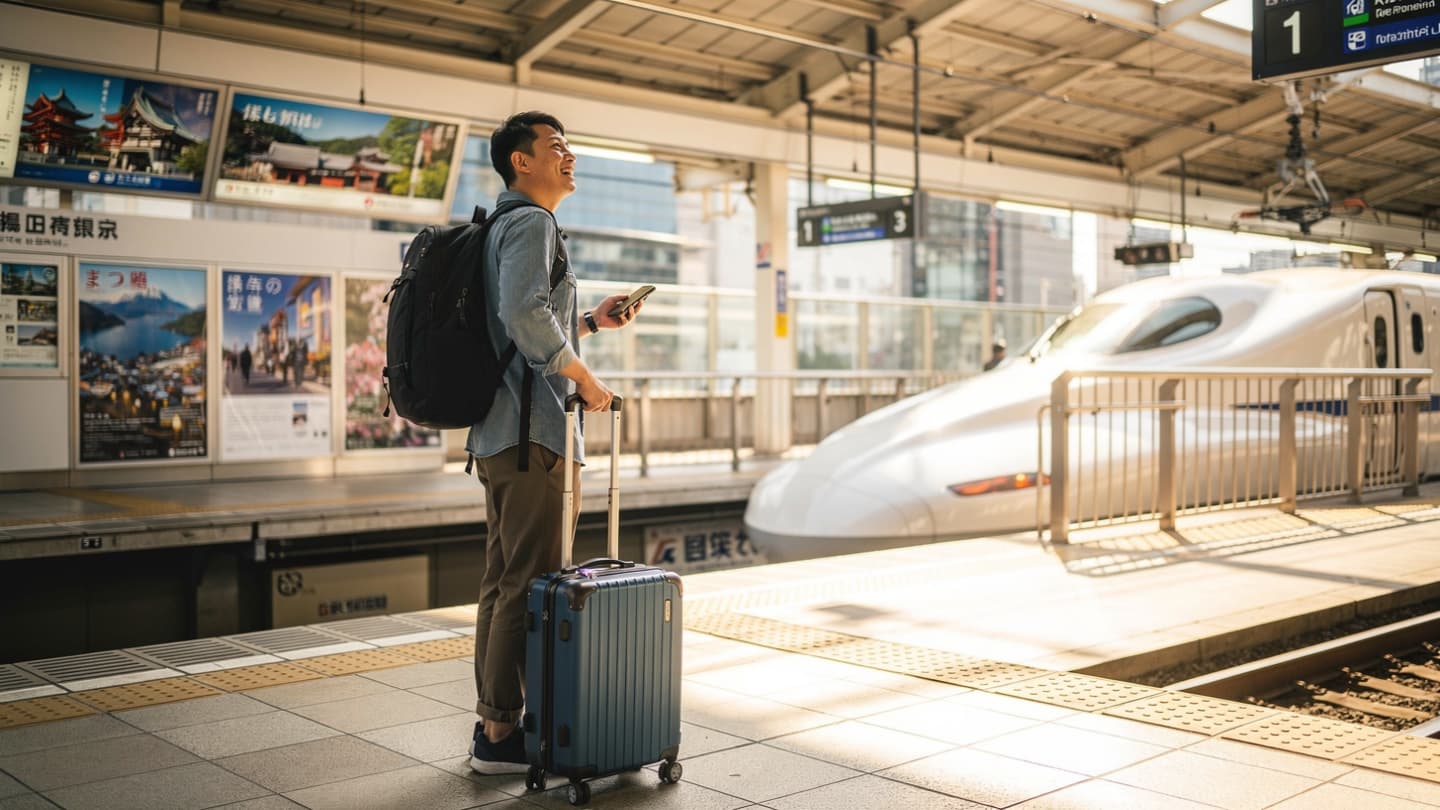
Day five is your transition from Tokyo to Kyoto. The easiest way is by Shinkansen, Japan’s high-speed bullet train. The Japan Rail Pass can cover many JR train lines and most Shinkansen services, although travelers should compare the pass cost with individual ticket prices before buying because the value depends on the exact route.
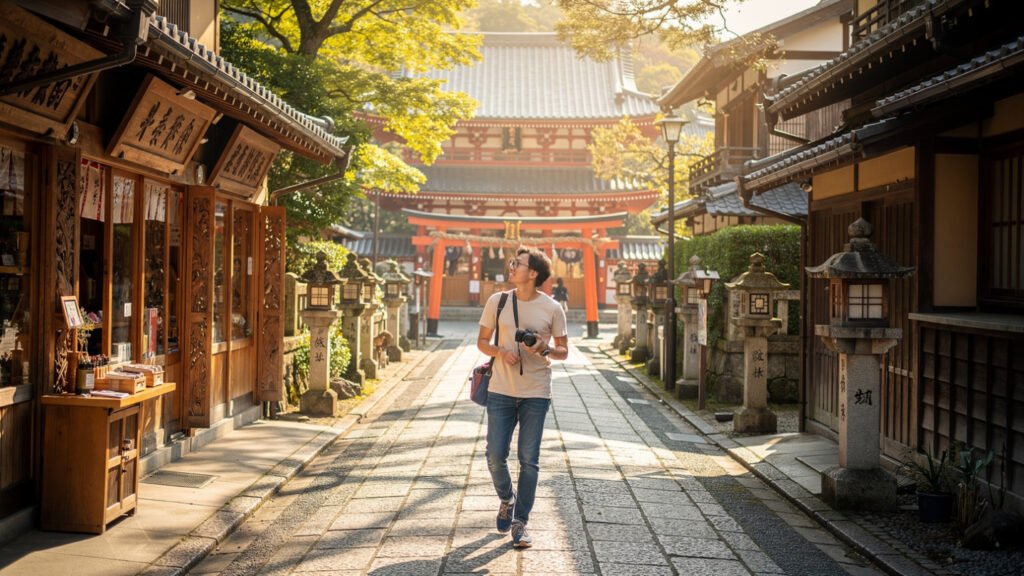
After arriving in Kyoto, check in and keep the rest of the day relaxed. Kyoto is slower than Tokyo, and that is part of its charm. Spend your first evening in Gion, Pontocho, or around the Kamo River. These areas are beautiful at night, especially when lanterns are lit and small restaurants open along narrow streets. Kyoto is also a good place to try kaiseki-style dining, matcha desserts, traditional sweets, or simple local dishes in a quiet setting.
Day six is one of the most important cultural days in this Japan itinerary. Start early at Fushimi Inari Shrine, famous for its thousands of red torii gates. Going early helps you avoid the busiest crowds and gives you a more peaceful experience. After that, head toward Kiyomizu-dera, one of Kyoto’s most iconic temples. The streets around Ninenzaka and Sannenzaka are perfect for walking, taking photos, browsing shops, and enjoying the old Kyoto atmosphere.
On day seven, visit Arashiyama in the morning. The bamboo grove is the most famous stop, but the wider area is also worth exploring for riverside views, temples, and small streets. Later, you can visit Kinkaku-ji, the Golden Pavilion, before returning toward central Kyoto. End the day at Nishiki Market or in the Kawaramachi area for dinner. Kyoto’s official tourism guide highlights the city’s focus on responsible and sustainable tourism, which is important because many popular areas can become crowded during peak seasons.
Day 8 to Day 10: End Your Japan Itinerary in Osaka
On day eight, travel from Kyoto to Osaka. The journey is short, so you do not need to rush in the morning. Once you arrive, check in and spend your first Osaka day around Namba and Dotonbori. This is one of the best areas in Japan for food, lights, and casual nightlife. Osaka feels more direct, playful, and relaxed than Kyoto, which makes it a great final city for this 10-day Japan itinerary.
Dotonbori is the place to try classic Osaka food such as takoyaki, okonomiyaki, kushikatsu, ramen, and street snacks. The area can be busy, but it is also part of the experience. Walk along the canal, see the famous illuminated signs, and enjoy the energy of the city. If you prefer a slightly calmer evening, nearby Hozenji Yokocho offers a more atmospheric alley with small restaurants and traditional charm.
Day nine can be shaped around your travel style. If you like history and city views, visit Osaka Castle and the surrounding park. If you prefer food and local markets, start at Kuromon Market and continue to Shinsekai for retro Osaka character. Families and theme park fans may want to spend the full day at Universal Studios Japan instead. Osaka’s official tourism website is a useful source for events, food, and local area planning.
Day ten is your final day. Keep it flexible for shopping, packing, and one last meal. If you fly out from Kansai International Airport, Osaka is a convenient final base. If your return flight is from Tokyo, take the Shinkansen back with enough buffer time. For a smoother final day, avoid planning major sightseeing far from your hotel. Instead, enjoy a relaxed breakfast, buy souvenirs, and leave space for the small discoveries that often become favorite travel memories.
Best Areas to Stay During Your 10-Day Japan Itinerary
In Tokyo, Shinjuku, Shibuya, Ginza, Tokyo Station, and Ueno are strong choices for first-time visitors. Shinjuku and Shibuya are lively and convenient for nightlife, shopping, and transport. Ginza and Tokyo Station are more polished and practical, especially if you want easy Shinkansen access. Ueno can be more budget-friendly while still offering good train connections and access to parks, museums, and traditional neighborhoods.
In Kyoto, staying near Kyoto Station is practical because it makes transport easier, especially when arriving by Shinkansen or taking buses and trains around the city. However, if you want a more atmospheric stay, Gion, Higashiyama, Kawaramachi, and Sanjo are excellent areas. These neighborhoods place you closer to old streets, restaurants, riverside walks, and evening scenery. The best choice depends on whether you value convenience or traditional atmosphere more.
In Osaka, Namba is usually the best area for food, nightlife, and first-time visitors. It places you close to Dotonbori, shopping streets, and many restaurants. Umeda is another strong option if you prefer a more modern business and shopping district with excellent transport links. If you plan to visit Universal Studios Japan, staying near the park can be convenient for one night, but for general sightseeing, Namba or Umeda usually works better.
How to Travel Between Tokyo, Kyoto, and Osaka
The easiest way to follow this Japan itinerary is by train. Tokyo to Kyoto is most commonly done by Shinkansen, and Kyoto to Osaka is a short train ride. Japan’s rail system is efficient, clean, and generally easy to use once you understand the basics. For most travelers, the main decision is whether to buy individual train tickets or use a rail pass.
A Japan Rail Pass may be useful for travelers taking multiple long-distance JR trains, but it is not automatically the best value for every Tokyo, Kyoto, and Osaka itinerary. If your route is only Tokyo to Kyoto, Kyoto to Osaka, and possibly Osaka back to Tokyo, compare the total ticket cost before buying. The official Japan Rail Pass site describes the pass as a ticket offered by the six JR Group companies for train travel throughout Japan, but the final value depends on your personal route.
Inside each city, use public transport instead of taxis when possible. Tokyo has an extensive train and subway system. Kyoto relies more on a mix of buses, trains, taxis, and walking. Osaka is easy to explore by subway and local trains. A mobile IC card or physical transport card can make small journeys much easier because you do not need to buy a separate ticket for every ride.
Japan Itinerary Travel Tips for First-Time Visitors
- Book hotels early if you travel during cherry blossom season, autumn foliage season, New Year, Golden Week, or major holidays.
- Start popular sightseeing days early, especially in Kyoto, where places like Fushimi Inari, Kiyomizu-dera, and Arashiyama can become crowded.
- Pack light because train stations can be busy and some hotels have small rooms.
- Use luggage forwarding if you do not want to carry large suitcases between Tokyo, Kyoto, and Osaka.
- Carry some cash because Japan is increasingly card-friendly, but small shops, temples, markets, and local restaurants may still prefer cash.
- Respect local rules around shrines, temples, trains, and residential streets.
- Check restaurant hours because some small restaurants close between lunch and dinner or have irregular rest days.
- Plan by neighborhood instead of jumping across the city too much in one day.
- Leave free time because Japan is best enjoyed when you have space to wander, eat, shop, and explore slowly.
- Use official tourism resources for updated travel planning, local manners, seasonal advice, and destination information. JNTO provides broad travel planning guidance for visitors to Japan.
Best Time to Follow This Japan Itinerary
Spring and autumn are the most popular seasons for this Japan itinerary. Spring brings cherry blossoms, pleasant temperatures, and beautiful parks, while autumn offers colorful leaves, clear weather, and excellent walking conditions. These seasons are also the busiest, so hotel prices can be higher and famous spots can feel crowded. If you travel during these periods, book accommodation early and start your sightseeing days in the morning.
Summer can be hot and humid, but it also brings festivals, longer daylight, and a lively atmosphere. If you visit in summer, plan indoor breaks, drink plenty of water, and avoid overloading the middle of the day with outdoor walking. Winter is colder but often less crowded, especially outside the New Year period. Clear winter days can be beautiful, and city travel remains easy because Tokyo, Kyoto, and Osaka have excellent indoor attractions, shopping, and food options.
There is no single perfect time to visit Japan. The best season depends on your budget, crowd tolerance, and interests. For a first trip, late March to April and October to November are ideal if you want classic scenery. For better value and fewer crowds, consider late winter or early summer outside major holiday periods.
Final Thoughts on This 10-Day Japan Itinerary
A 10-day Japan itinerary covering Tokyo, Kyoto, and Osaka is one of the best ways to experience the country for the first time. It gives you a clear route, efficient transport, and a strong balance of modern culture, traditional history, food, shopping, and local atmosphere. Tokyo shows you Japan’s speed and scale, Kyoto gives you temples and old streets, and Osaka ends the trip with warmth, flavor, and energy.
The key to making this itinerary work is balance. Do not try to visit every famous place in one trip. Japan rewards slow details as much as major attractions. A quiet shrine visit, a simple bowl of ramen, a clean train ride, a convenience store snack, or a walk through a side street can be just as memorable as a famous landmark.
Use this guide as a flexible framework. You can add a day trip to Nara, spend more time shopping in Tokyo, stay longer in Kyoto’s temple districts, or dedicate a full day to Universal Studios Japan. As long as you keep the route simple and avoid overpacking each day, this 10-day Japan itinerary will give you a smooth, enjoyable, and memorable first trip.
References
- Japan National Tourism Organization (JNTO): Official destination and travel planning information for visitors to Japan, including Tokyo, Kyoto, Osaka, transport, customs, and seasonal travel guidance.
- Official Japan Rail Pass / JR Group information: Details on Japan Rail Pass coverage, JR train lines, and Shinkansen usage for long-distance travel planning.