Songkran festival Chiang Mai is one of the most exciting cultural experiences in Thailand. Every April, the city turns into a joyful mix of water fights, temple visits, family rituals, street parades, music, food, and traditional Thai New Year ceremonies. For many travelers, Chiang Mai is the best place to experience Songkran because it offers both sides of the festival: the famous water celebration around the Old City and the deeper cultural traditions found in temples and local neighborhoods.
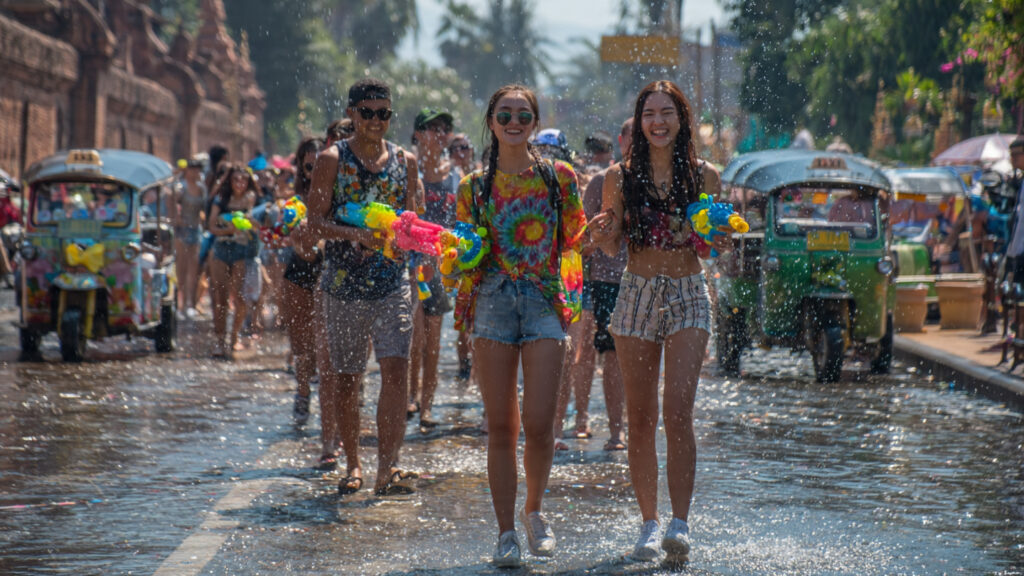
At first, Songkran may look like one huge water party. People splash water from buckets, water guns, hoses, and trucks. Streets become lively from morning to evening. Tourists and locals smile, laugh, and cool down together in the hottest month of the year. But behind the fun, Songkran has a much deeper meaning. It is a time for cleansing, respect, renewal, family, and good fortune. Water is not only used for play. It also represents washing away bad luck and welcoming a fresh start.
Chiang Mai gives this tradition a special atmosphere. The Old City moat becomes the center of activity, while temples such as Wat Phra Singh and Wat Chedi Luang welcome people who come to make merit, pour water over Buddha images, and join traditional ceremonies. Local families visit elders, clean homes, and prepare offerings. Visitors who understand both the fun and respectful sides of Songkran will enjoy the festival more and avoid common mistakes.
This guide explains everything you need to know before you go. You will learn when Songkran happens, where to celebrate, what to pack, how to stay safe, what cultural etiquette to follow, and how to plan a smooth trip during one of Thailand’s busiest travel periods.
What Is Songkran Festival in Chiang Mai?
Songkran festival Chiang Mai is the city’s celebration of Thai New Year. The main national holiday usually takes place from April 13 to April 15, although activities in Chiang Mai can begin earlier and continue around the city depending on the official event calendar for that year. The festival happens during Thailand’s hot season, which makes the water celebration feel refreshing and practical as well as symbolic.
The word Songkran comes from an astrological idea connected to transition and movement into a new year. In Thai culture, this period is a time to reset life, show gratitude, and wish others good luck. Traditionally, people visit temples, offer food to monks, clean Buddha images, pour scented water over the hands of elders, and spend time with family. These practices are still important in Chiang Mai, even though the city is now also famous for its large public water fights.
Chiang Mai is one of the most popular Songkran destinations because the Old City layout makes the celebration easy to join. The square moat around the historic center becomes a natural gathering area. Roads around Tha Phae Gate, Chiang Mai Gate, and the moat are filled with people walking, dancing, splashing water, and riding in pickup trucks. The energy is friendly, loud, and unforgettable.
Still, Songkran is not only about throwing water. Travelers should remember that this is an important Thai cultural and family holiday. The best experience comes from balancing fun with respect. Join the water fights, but also visit a temple, watch a parade, try local food, and learn why water matters so much in the festival.
When Does Songkran Festival Chiang Mai Take Place?
Songkran festival Chiang Mai usually happens in mid-April, with the core national holiday from April 13 to April 15. In many years, Chiang Mai has extra events before or after these dates, especially around the Old City, temples, and public areas. Because schedules can change each year, travelers should check the latest official tourism announcements before booking final activities.
April is one of the hottest months in northern Thailand. Daytime temperatures can feel very high, especially in the afternoon. This is one reason the water celebration became so popular with visitors. The cool water helps people enjoy the holiday outdoors, but the heat also means travelers should plan carefully. Sun protection, hydration, and comfortable clothing are essential.
The busiest days are usually April 13, 14, and 15. During these dates, roads around the Old City may become crowded, traffic can move slowly, and some shops or services may close for the holiday. Hotels in central Chiang Mai often fill up early. Flights, buses, and trains can also be busy because Thai families travel home during New Year.
If you want the most intense festival atmosphere, stay near the Old City and plan to join the main celebration during the afternoon. If you prefer a calmer visit, choose accommodation slightly outside the moat and join temple events in the morning. This gives you a better balance between culture and fun.
Best Places to Celebrate Songkran in Chiang Mai
The most famous place to celebrate Songkran festival Chiang Mai is around the Old City moat. This area is the heart of the water fights. Tha Phae Gate is especially popular because it has a large open space, easy access, and a strong festival atmosphere. Travelers gather here with water guns, waterproof bags, and bright holiday energy. It is busy, but it is also one of the most memorable places to experience Songkran.
The roads around the moat are another major celebration zone. People stand along the sidewalks, ride in pickup trucks, and splash water at passing crowds. The water action can be constant, so expect to get fully wet. Even a short walk can turn into a complete soaking. This is part of the fun, but it also means you should protect your phone, wallet, passport copy, and camera.
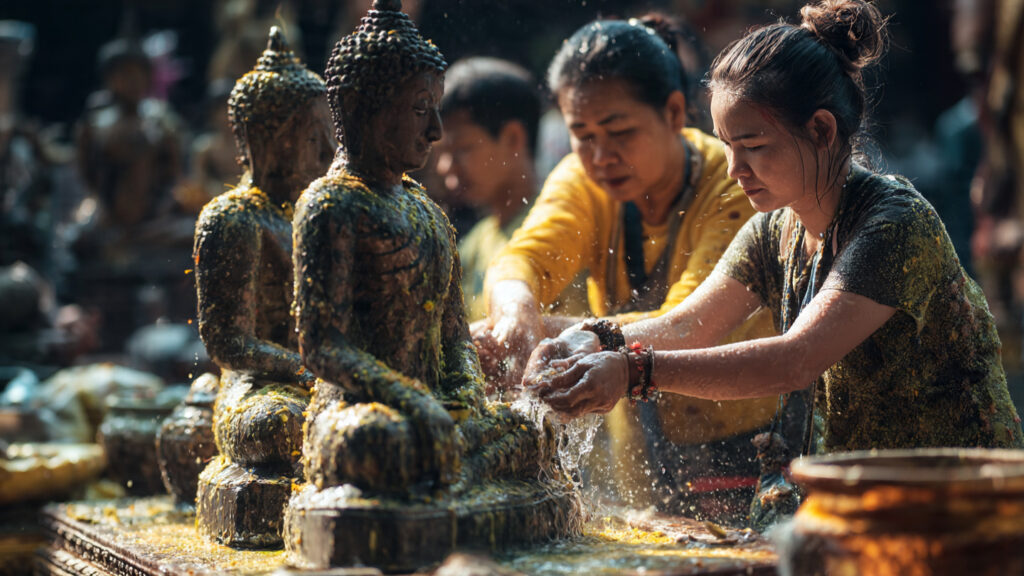
For a more cultural experience, visit Chiang Mai’s temples in the morning. Wat Phra Singh, Wat Chedi Luang, and other important temples often become meaningful places during Songkran. You may see locals making merit, offering food, pouring water over Buddha images, and joining traditional activities. These moments show the respectful side of the holiday and help visitors understand the festival beyond the water fights.
Nimmanhaemin Road can also be lively, especially for younger crowds, cafes, and visitors staying outside the Old City. Some malls and public areas may host organized events, concerts, or family-friendly activities. However, the exact event locations can change, so it is smart to check local updates once you arrive.
What to Pack for Songkran Festival Chiang Mai
Packing well can make your Songkran festival Chiang Mai experience much easier. The festival is wet, hot, crowded, and active, so your goal is to stay comfortable while protecting your important items.
- Waterproof phone pouch: Choose one that seals tightly and allows you to take photos safely.
- Dry bag: Use a small dry bag for money, hotel key cards, medication, and passport copies.
- Quick-dry clothing: Wear light clothes that dry fast and are not see-through when wet.
- Comfortable sandals or water shoes: Streets can be slippery, so avoid weak flip-flops.
- Sunscreen: Reapply often because water and sweat can remove protection quickly.
- Sunglasses or eye protection: Water can come from many directions, so protect your eyes.
- Small water gun: Buy one locally if you want to join the fun without carrying too much.
- Reusable water bottle: The heat can be intense, so drink water throughout the day.
- Cash in small notes: Some food stalls and small shops may prefer cash.
- Light towel: Keep one at your hotel or in a dry bag for after the celebration.
Do not carry anything you cannot afford to get wet. Leave passports, expensive jewelry, laptops, and non-waterproof electronics at your hotel. A passport copy or digital backup is usually enough for daily movement, while your original passport should stay secure.
Cultural Etiquette and Local Respect
Songkran festival Chiang Mai is fun, but it is still a cultural and religious holiday. Visitors are welcome to join, yet respectful behavior matters. The most important rule is to understand the difference between playful water splashing and disrespectful behavior. Water should be used in a friendly way, not as a weapon.
Avoid splashing monks, babies, elderly people, people who are clearly working, and anyone who does not want to participate. Do not throw water at motorbike riders in a dangerous way. This can cause accidents, especially on busy roads. Also avoid using dirty water, ice water, or high-pressure water guns aimed at the face. These actions can turn a happy festival into an unsafe experience.
Dress modestly enough for a public cultural event. Swimwear alone is not appropriate on city streets. Light shirts, shorts, and quick-dry clothing are fine, but avoid clothing that becomes too revealing when wet. If you visit temples, cover your shoulders and knees, remove your shoes where required, and behave quietly inside sacred areas.
If locals pour a small amount of scented water over your hands or invite you into a traditional activity, receive it politely. This is different from the street water fight. It is usually connected to blessing, respect, and good wishes. A simple smile and thank you can go a long way.
Safety Tips for First-Time Visitors
Songkran festival Chiang Mai is generally friendly, but it can be overwhelming for first-time visitors. The combination of crowds, water, traffic, heat, and alcohol means you should stay aware. The safest approach is to join the celebration during daylight hours, travel with friends if possible, and choose a clear meeting point in case you get separated.
Road safety is one of the biggest concerns during Songkran. Streets around the moat can be crowded, and some people splash water from vehicles. If you rent a motorbike, be extra careful or avoid riding during the busiest festival hours. Wet roads, sudden splashes, and heavy traffic can make riding risky. Walking or using local transport is often a better choice near the Old City.
Protect your body from heat and sun. April in Chiang Mai can feel very hot, even when you are wet. Drink water often, take breaks, and rest in shaded places. If you feel dizzy, tired, or overheated, leave the crowd and cool down. Many travelers underestimate the heat because the water makes the day feel playful.
It is also smart to set limits with alcohol. Songkran is more enjoyable when you stay alert. Keep your valuables minimal, watch your bag, and avoid arguments. The atmosphere is usually cheerful, and most problems can be avoided with common sense.
Where to Stay During Songkran in Chiang Mai
Choosing the right place to stay can shape your entire Songkran festival Chiang Mai experience. If you want to be close to the main action, stay inside the Old City or near Tha Phae Gate. This location makes it easy to walk to the moat, join water fights, visit temples, and return to your hotel when you need a break. The downside is noise, crowds, and higher demand during the holiday.
If you want a balance between access and comfort, look for hotels just outside the Old City. Areas near Chang Phueak, Chiang Mai Gate, or parts of Nimmanhaemin can work well depending on your travel style. You can still reach the main celebration, but you may have a quieter base at night. This is a good option for couples, families, or travelers who do not want to be surrounded by water fights all day.
For a calmer trip, stay farther from the moat and visit the festival when you feel ready. Riverside hotels, boutique stays outside the center, or quieter neighborhoods can give you more rest. This is useful if you plan to explore cafes, temples, markets, or nearby nature during your visit.
Book early if you plan to visit during Songkran. Chiang Mai is popular at this time, and good hotels can sell out. Also check whether your hotel is located on a street that becomes difficult to access during the celebration. A central location is convenient, but only if you are comfortable walking through wet and crowded streets.
Food, Transport, and Daily Planning
Daily planning during Songkran festival Chiang Mai should be flexible. Some restaurants, shops, and services may close because local families are celebrating Thai New Year. At the same time, many tourist-friendly areas remain active, especially around the Old City, markets, and major streets. It is a good idea to eat before joining the water fights, because walking around wet and crowded areas can make meal planning harder.
Street food is part of the experience. You may find grilled meats, noodles, fruit shakes, Thai desserts, and local northern dishes around busy areas. Khao soi, sai ua, nam prik ong, and mango sticky rice are worth trying while you are in Chiang Mai. However, choose stalls that look clean and busy. During hot weather, food hygiene matters even more.
Transport can be slower than usual. Songthaews, tuk-tuks, taxis, and ride-hailing services may still operate, but some drivers avoid the wettest areas. Traffic around the moat can be heavy, and walking may be faster for short distances. If you need to catch a flight, train, or bus during Songkran, leave much earlier than normal.
Plan your day around energy levels. Many travelers enjoy temple visits in the morning, lunch and rest around midday, water fights in the afternoon, and a relaxed dinner in the evening. This rhythm helps you enjoy the festival without becoming exhausted.
Suggested 3-Day Songkran Itinerary in Chiang Mai
A short itinerary can help you enjoy Songkran festival Chiang Mai without feeling lost. Use this plan as a flexible guide and adjust it based on your hotel location, energy level, and the official event schedule.
- Day 1: Arrival and cultural introduction
Arrive in Chiang Mai, check in, and explore the Old City before the busiest water fights begin. Visit Wat Phra Singh or Wat Chedi Luang to understand the traditional side of Songkran. In the evening, enjoy local food and buy basic festival items such as a waterproof pouch, dry bag, and water gun. - Day 2: Main Songkran celebration
Start with a temple visit in the morning, then rest before joining the water fights around the Old City moat. Head toward Tha Phae Gate if you want the most active atmosphere. Keep your valuables protected and take breaks when needed. End the day with dinner away from the busiest streets. - Day 3: Local neighborhoods and slower experiences
Spend the morning exploring quieter areas, cafes, or markets. Join smaller Songkran activities if you find them near your hotel. If you want a break from the crowds, visit a spa, take a Thai cooking class, or enjoy a calm riverside meal. Use the evening to pack and prepare for your next destination.
This itinerary gives you both the famous water celebration and the cultural meaning of the festival. It also leaves space for rest, which is important during a hot and crowded holiday.
Common Mistakes to Avoid
Many travelers arrive at Songkran festival Chiang Mai expecting only a water fight. That is the first mistake. The festival is more meaningful when you understand its cultural side. If you only stay around the moat and never visit a temple or watch a traditional ceremony, you will miss an important part of the experience.
Another common mistake is carrying too much. Phones, cameras, wallets, and documents can get soaked quickly. Even if you do not plan to join the water fights, someone may splash you while you walk. Pack lightly and use waterproof protection from the moment you leave your hotel.
Some visitors also underestimate the heat. Being wet does not mean you are fully protected from dehydration or sunburn. Drink water, use sunscreen, wear a hat when possible, and take breaks. The festival can last for hours, but you do not need to stay in the crowd all day.
Finally, do not assume transport will work like a normal day. Streets may close, traffic may slow down, and drivers may avoid wet zones. If you have an airport transfer or important booking, plan extra time. Songkran is fun, but it rewards travelers who stay flexible.
Is Songkran Festival Chiang Mai Worth It?
Songkran festival Chiang Mai is absolutely worth it if you enjoy cultural events, street energy, and unforgettable travel moments. Few festivals allow visitors to feel so connected to local celebration in such a direct way. The city becomes playful, open, and full of life. You can laugh with strangers in the afternoon and then step into a temple to see a quiet tradition that has lasted for generations.
It may not be ideal for everyone. Travelers who dislike crowds, noise, water fights, or hot weather may find the experience intense. If you prefer calm sightseeing, visit Chiang Mai before or after the main holiday dates. But if you are open to a lively atmosphere and prepare properly, Songkran can become one of your most memorable Thailand travel experiences.
The key is balance. Enjoy the water fights, but respect the culture. Stay near the action, but give yourself time to rest. Protect your belongings, but stay present in the moment. Visit the famous places, but also notice the small details: families visiting temples, elders receiving blessings, children laughing in the street, and the feeling of a city welcoming a new year together.
For travelers who want a festival that combines fun, tradition, and local identity, Chiang Mai is one of the best places in Thailand to experience Songkran.
References
- UNESCO Intangible Cultural Heritage: Songkran in Thailand is recognized as a traditional Thai New Year festival connected to cleansing, respect, family, and good fortune.
- Tourism Authority of Thailand: Official tourism information confirms the cultural significance of Songkran and its recognition as part of Thailand’s intangible cultural heritage.