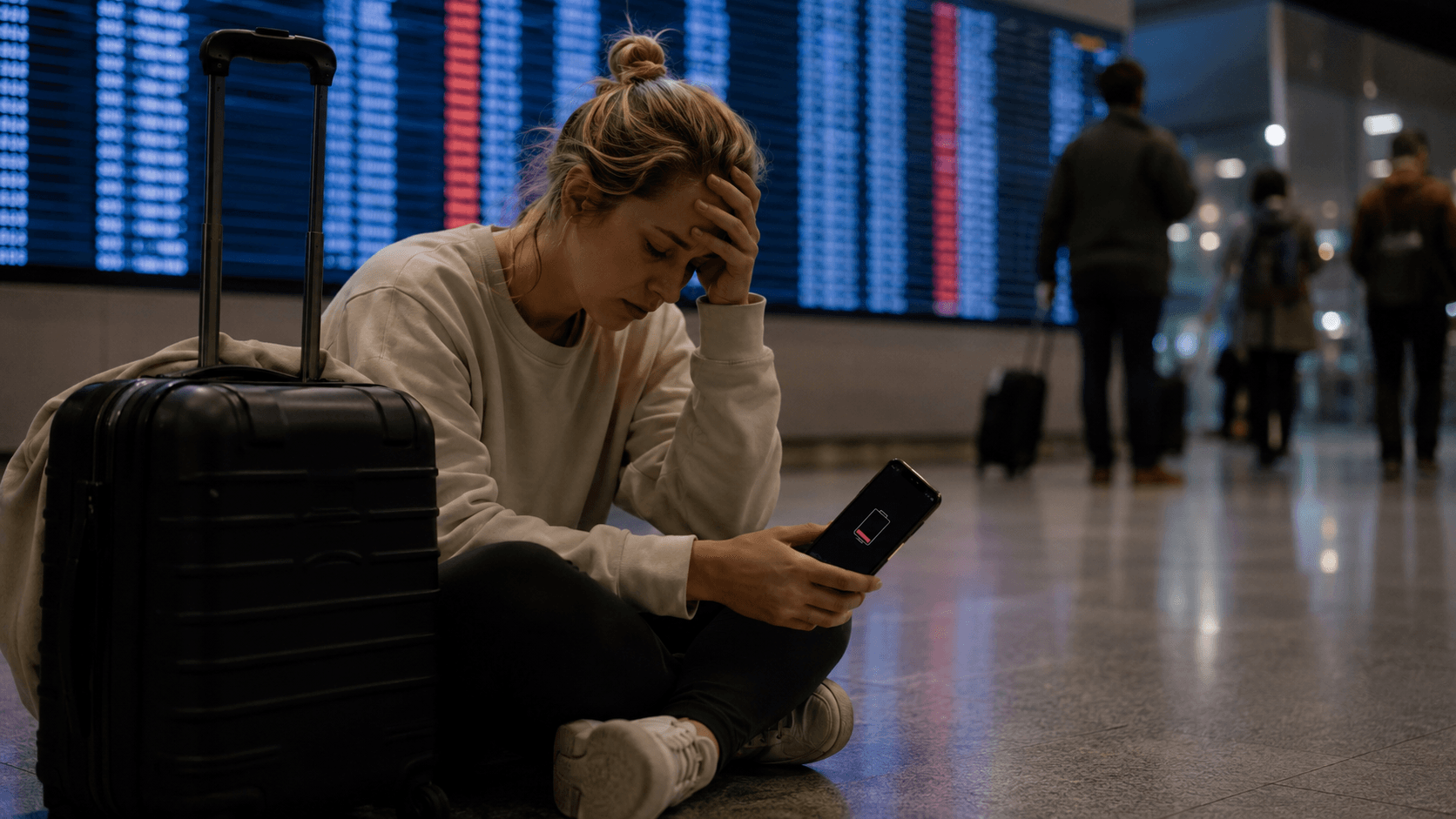
The hardest part of solo travel is rarely the flight, the hotel, or the itinerary. More often, it is the quiet moment after you arrive, drop your bag, look around the room, and realize every decision from this point belongs to you. Nobody is asking where you want to eat. There is no travel partner checking the map with you. If the neighborhood feels wrong, the train is delayed, or the plan suddenly stops making sense, the responsibility sits fully on your shoulders.
That is the side of solo travel Instagram usually does not show. Online, it often looks like sunrise coffee, empty beaches, perfect outfits, mountain views, and confident captions about freedom. Those moments can be real, but they are not the whole story. Behind the photo, there may be jet lag, awkward restaurant moments, safety calculations, unexpected costs, decision fatigue, or a long walk back to the hotel when you wish someone else were there.
Understanding solo travel realities does not make solo travel less inspiring. Instead, it makes the experience more honest and easier to prepare for. Traveling alone can be one of the most rewarding things you ever do, but it is not always glamorous. Some days feel peaceful and empowering. Other days feel lonely, stressful, expensive, or emotionally strange.
This article is not here to scare you away from solo travel. It is here to help you see the full picture before you go. When both the freedom and the pressure are clear, you can plan better, protect your energy, and enjoy the experience without feeling like something is wrong when your trip does not look perfect every day.
The First 24 Hours Alone Can Feel Heavier Than Expected
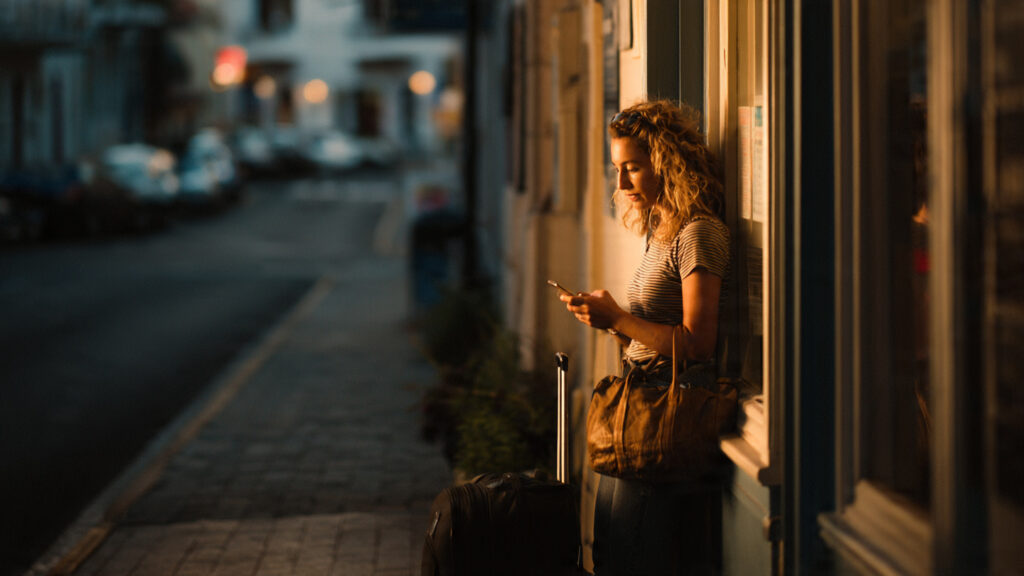
The first day of a solo trip is often more emotional than people expect. Before departure, the idea may feel exciting. You imagine yourself walking through a new city, eating wherever you want, and enjoying total freedom. After arrival, however, the experience can feel very different. Jet lag, airport transport, hotel check-in, and unfamiliar streets can quickly turn excitement into pressure.
This is one of the most common solo travel realities. The first 24 hours are not always magical. They are often a transition period. Your body is adjusting, your mind is processing a new environment, and your confidence has not fully arrived yet.
Practical details also feel bigger when there is no one beside you. Finding the correct airport train, checking into accommodation, buying a local SIM card, or choosing where to eat may sound simple. After a long journey, these small decisions can become mentally exhausting.
None of this means the trip is going badly. It simply means you are entering a new rhythm. Many solo travelers feel much better after the first night of sleep, a simple meal, and a short walk around the area. The first day does not need to be impressive. It only needs to be manageable.
The Freedom Is Real, But So Is the Responsibility
Solo travel is popular because the freedom is real. You can wake up when you want, eat what you want, skip attractions you do not care about, and change plans without asking anyone for permission. There is no need to compromise on budget, pace, food, shopping, museums, nightlife, or rest days. For many people, this independence feels refreshing.
At the same time, freedom creates responsibility. When you travel alone, every decision belongs to you. A hotel too far from public transport, a wrong train ticket, a missed weather warning, or a confusing arrival plan becomes your problem to solve.
That responsibility is not always negative. In many ways, it is one of the reasons solo travel can be so powerful. It teaches you to pay attention, make decisions, and trust yourself. Still, solo travel is not simply “do whatever you want.” Good solo travel usually requires enough planning to make freedom feel safe.
The best solo trips balance structure and flexibility. You do not need to plan every hour, but you should know the basics. Where are you sleeping? How will you get there? Is the area safe at night? What is your backup plan if your phone dies? Once those details are clear, freedom becomes easier to enjoy.
Loneliness Can Happen Even in Beautiful Places
One of the most honest solo travel realities is that loneliness does not wait for ugly places. It can appear in the most beautiful moments. A sunset in Greece, a museum in Paris, a beach in Bali, or a quiet cafe in Rome can still feel emotionally empty when there is no one beside you to share the experience.
This surprises many first-time solo travelers. They expect loneliness to disappear once the destination is exciting enough. Beautiful places can help, but they do not remove the human need for connection. Sometimes beauty even makes the feeling stronger because you wish someone familiar could see what you are seeing.
The feeling often becomes more noticeable at night. During the day, movement keeps you busy. You walk, explore, take photos, read signs, catch trains, and visit attractions. Evening changes the mood. Restaurants fill with couples, families, and groups of friends, while being alone becomes more visible.
Loneliness does not mean the trip is a failure. It usually means you are human. Instead of pretending it will never happen, prepare for it. Join a walking tour, take a cooking class, stay somewhere social, speak to other travelers, or schedule a call with someone at home. Solo travel does not mean being alone every second. It means choosing when you want solitude and when you need connection.
The Dinner Problem Is More Real Than People Admit
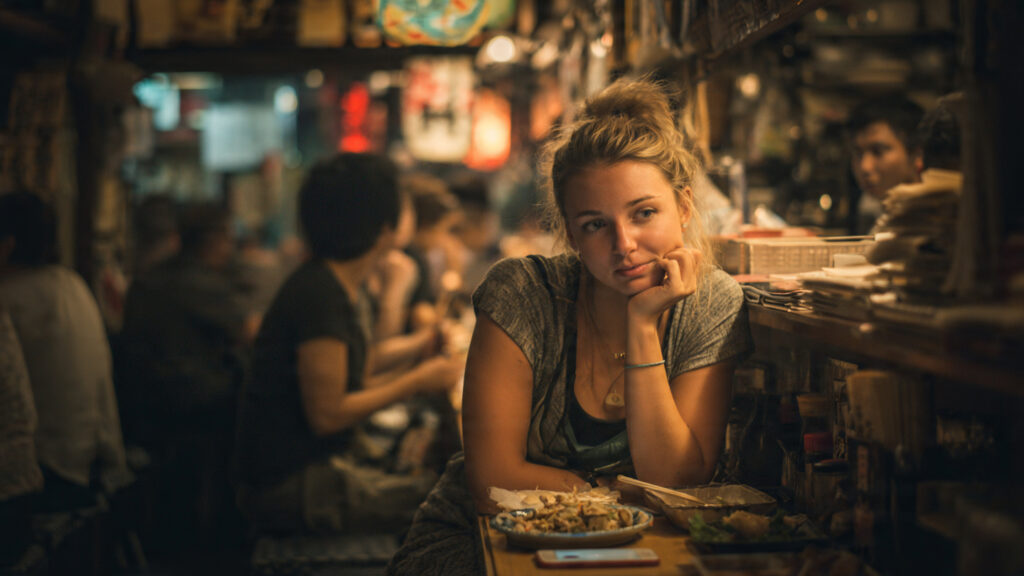
Many solo travel articles talk about freedom, confidence, and self-discovery, but fewer talk honestly about dinner. For many travelers, dinner is one of the most awkward parts of traveling alone. Breakfast can be quick, and lunch can be casual. Dinner often feels more social, which can make your solo status feel more obvious.
This is one of the solo travel realities that Instagram rarely captures. A photo of a pasta dish or a candlelit table may look charming, but the moment behind it may include nervousness, overthinking, or choosing a restaurant based on where you will feel least uncomfortable alone.
The challenge is not only emotional. Some restaurants are designed for groups. Certain menus are better for sharing. In busy tourist cities, solo diners may feel rushed or ignored. Romantic destinations can also make eating alone feel more noticeable.
Over time, this usually gets easier. Many solo travelers develop their own dinner style. Casual restaurants, food markets, ramen counters, tapas bars, and cafes often feel more comfortable than formal dining rooms. Some travelers bring a book or journal. Others join food tours to make dinner more social.
There is no perfect way to handle it. One night may be a proper restaurant meal. Another night, takeaway food in your room may be exactly what you need. Both choices are valid.
Safety Is Not About Fear, It Is About Awareness
Safety is one of the most important parts of solo travel, but it is often discussed in extreme ways. Some people make it sound terrifying, while others act as if confidence alone is enough. A better approach is more practical. Solo travel safety is about awareness, preparation, and calm decision-making.
When you travel with someone else, there is a built-in layer of support. Another person can watch your bag, check the route, notice if you feel uncomfortable, or help make a decision. Alone, you need to create your own safety system. That does not make the trip dangerous. It simply means being more intentional.
Small habits matter. Arrive in new places during daylight when possible. Save your accommodation address offline. Keep digital copies of your passport and insurance. Tell someone your rough itinerary. Avoid walking alone in unfamiliar areas late at night if safer transport is available.
Safety is also personal. Different travelers may experience the same destination differently. Gender, race, sexuality, disability, age, nationality, language ability, and travel experience can all affect how comfortable someone feels in a place. A destination that feels easy for one person may require more caution for another.
Being careful does not make you less adventurous. It makes you more capable. The goal is not to remove all risk, because travel always includes uncertainty. The goal is to reduce avoidable problems so you can enjoy the destination with more confidence.
Planning Takes More Mental Energy Than People Expect
Solo travel can look spontaneous, but the smoothest trips usually have invisible planning behind them. When you travel with others, small tasks are naturally shared. One person checks the hotel, another looks up restaurants, someone else finds the train platform, and another watches the bags. Alone, all of those tasks belong to you.
That creates decision fatigue. You are not only choosing what to do. You are also managing safety, budget, direction, timing, food, transport, energy, and backup plans. Even simple questions can become tiring when they happen all day.
Where should I eat? Is this street okay? Should I book the earlier train? Can I walk back after dark? Do I need cash? Should I stay another night? Questions like these slowly drain energy, especially when the trip is long.
This mental load is one of the most underrated solo travel realities. It does not always look dramatic, but it can change the mood of a trip. You may not realize you are tired until small problems start to feel annoying.
A better approach is to plan the important parts and keep the rest flexible. Know where you are sleeping, how to get there, what areas to avoid, how much money you can spend, and what your emergency options are.
Practical Ways to Make Solo Travel Easier
Solo travel becomes easier when you prepare for the real experience, not just the dream version. The goal is not to remove every challenge. Instead, it is to reduce avoidable stress so you can handle unexpected moments calmly.
- Book your first accommodation in a convenient, well-reviewed area, even if it costs slightly more.
- Try to arrive during daylight, especially in a destination you have never visited before.
- Save offline maps, hotel addresses, emergency contacts, and transport information.
- Share your rough itinerary with someone you trust.
- Keep digital and physical copies of important documents in different places.
- Build rest time into your itinerary instead of filling every day with activities.
- Choose casual restaurants, food halls, or counter seating if solo dinners feel uncomfortable.
- Join walking tours, cooking classes, or small group activities when you want social contact.
- Keep a comfort budget for taxis, safer accommodation, laundry, or unexpected changes.
- Avoid posting your real-time location publicly while traveling alone.
- Trust your instincts if a person, street, driver, or situation feels wrong.
- Remember that staying in for one night does not mean you wasted the trip.
These habits do not make solo travel less adventurous. They make it more sustainable. The more you protect your energy, the more you can enjoy the freedom.
Hidden Costs Are Part of the Solo Travel Realities
Solo travel gives you full control over your budget, but that does not always make it cheaper. In fact, traveling alone can sometimes cost more than traveling with another person because many travel expenses are easier to split.
Accommodation is the clearest example. A hotel room often costs almost the same whether one person or two people stay there. If privacy, safety, and location matter, you may pay more per person than a couple or pair of friends sharing the same room.
Transport can also be more expensive. Taxis, private transfers, car rentals, fuel, tolls, and parking are cheaper when shared. Alone, you pay the full cost yourself. In some destinations, this may push you toward public transport, which can be great during the day but less convenient late at night.
Food costs can add up too. With a travel partner, you might share dishes, snacks, groceries, or bottles of water. Solo travelers often buy everything individually. Convenience also becomes tempting when you are tired, especially after a long day of walking or moving between cities.
This is why a comfort budget matters. A comfort budget is not for luxury. It is for making safer and better decisions when you are alone. It allows you to take a taxi instead of walking through an uncomfortable area, book a better-located hotel, change accommodation if something feels wrong, or rest when your body needs it.
Common Solo Travel Mistakes to Avoid
First-time solo travelers often make mistakes because they plan for the ideal version of the trip instead of the realistic one. Avoiding these mistakes can make your experience safer, smoother, and more enjoyable.
- Choosing accommodation only because it is cheap, without checking location and reviews.
- Planning too many cities or activities in a short amount of time.
- Arriving late at night without knowing how to get to your accommodation.
- Depending completely on mobile data without saving offline information.
- Carrying all cash, cards, and documents in one bag.
- Posting your exact location in real time on public social media.
- Drinking too much with strangers in an unfamiliar place.
- Ignoring local customs, dress expectations, laws, or safety advice.
- Refusing to ask for help because you want to prove you can handle everything alone.
- Comparing your real trip to someone else’s edited travel content.
- Forgetting to schedule rest days.
- Assuming loneliness means you made the wrong decision.
The best solo travelers are not fearless. They are prepared, flexible, and honest with themselves. They know when to push forward and when to slow down. Asking for help does not make the trip less independent.
The Emotional Growth Is Often Uncomfortable Before It Feels Powerful
People often describe solo travel as life-changing, and it can be. Growth, however, does not always feel inspiring while it is happening. Sometimes it feels like frustration, confusion, boredom, tiredness, or self-doubt.
You may wonder why you came alone. Familiar people may suddenly feel far away. Asking strangers for help can feel awkward. At some point, you may realize that you rely on other people for confidence more than you expected.
This discomfort is part of the process. Solo travel removes many of the distractions that usually protect you from yourself. Without friends, family, work routines, or familiar places, you become more aware of your thoughts and habits. That awareness can be uncomfortable, but it can also be valuable.
Small wins begin to build confidence over time. Finding your hotel without help, eating alone without feeling embarrassed, solving a transport problem, changing plans calmly, or enjoying a quiet afternoon by yourself may not look impressive online. Still, those moments matter.
The emotional growth of solo travel is often quiet. It happens when you learn that nervousness does not have to stop you. Loneliness can appear without ruining the day. Mistakes can happen without destroying the trip. Your own company can become something you trust.
What Instagram Usually Leaves Out
Instagram is good at showing the highlight, but not the full context. It shows the viewpoint, not the climb. A cafe table appears charming, but the photo does not show the awkward walk around the neighborhood trying to choose where to sit. The beach looks peaceful, while the traveler may have been worrying about where to leave a bag.
This does not mean travel photos are fake. Many beautiful travel moments are completely real. The problem begins when people mistake the image for the whole experience. A photo can capture what a place looked like, but not what the traveler felt, paid, risked, solved, or carried emotionally that day.
The most useful solo travel realities often happen between the photos. They happen while washing clothes in a sink, waiting alone during a delay, eating a basic meal because you are too tired to go out, checking reviews before booking, or walking back early because your body needs rest. These moments are not glamorous, but they are real travel.
When you accept this, solo travel becomes less pressured. Every day does not need to be beautiful. Every meal does not need to be memorable. Every location does not need to become content. Some days are simply about moving safely, eating enough, sleeping well, and preparing for tomorrow.
That mindset can make the trip better. Instead of chasing a perfect version of solo travel, you start experiencing the honest version. Often, the honest version is where the most meaningful memories come from.
Conclusion: Solo Travel Is Worth It When You Accept the Whole Story
The most important solo travel realities are not meant to make solo travel sound negative. They are meant to make it honest. Traveling alone can be freeing, exciting, peaceful, and deeply rewarding. It can also be tiring, lonely, expensive, awkward, and emotionally challenging.
Both sides can exist in the same trip. Instagram usually shows the cleanest version because that is what looks good in a photo. The real value of solo travel often happens outside the frame.
It happens when you solve a problem alone, choose rest without guilt, make a new friend unexpectedly, protect yourself in a difficult situation, or realize you are more capable than you thought.
If you are planning your first solo trip, do not chase perfection. Prepare carefully, stay aware, protect your energy, and allow the trip to be real. Some moments will feel beautiful. Others will feel uncomfortable. A few will not make a good photo at all.
That does not mean the trip failed. It means you experienced solo travel as it actually is: independent, imperfect, challenging, and often unforgettable.
References
- U.S. Department of State — International Travel Guidance and Travel Advisories
Official safety guidance for international travelers, including destination-specific advisories, preparation tips, and safety information. - Centers for Disease Control and Prevention — Travelers’ Health
Reliable health guidance for international travelers, including destination health advice, travel notices, and preparation resources.