Italy remains the most evocative destination in the world. Furthermore, 2026 is a landmark year for the peninsula. The country has entered a period of rejuvenation after the 2025 Jubilee. Now, visitors find cleaner monuments in Rome and upgraded transit infrastructure. The nation focuses on high-quality, sustainable experiences today. This Italy Travel Guide helps you navigate this changing landscape effectively.
Travelers must balance the ancient with the modern. In 2026, the nation promotes “slow tourism” heavily. Authorities encourage visitors to linger in regions like Abruzzo and Umbria. This shift preserves the delicate heritage of places like Venice. It also offers travelers an authentic glimpse into the Italian way of life. From the Dolomites to Sicily, the Italian experience is now more accessible.
The 2026 Travel Landscape: What is New
The ETIAS system changes travel significantly in late 2026. This digital entry requirement applies to visitors from the United States and Canada. The online process is straightforward and fast. However, it marks a shift toward modernized border management. Travelers should update their passports well in advance. The ETIAS links electronically to your specific travel document. This Italy Travel Guide recommends applying early to avoid stress.
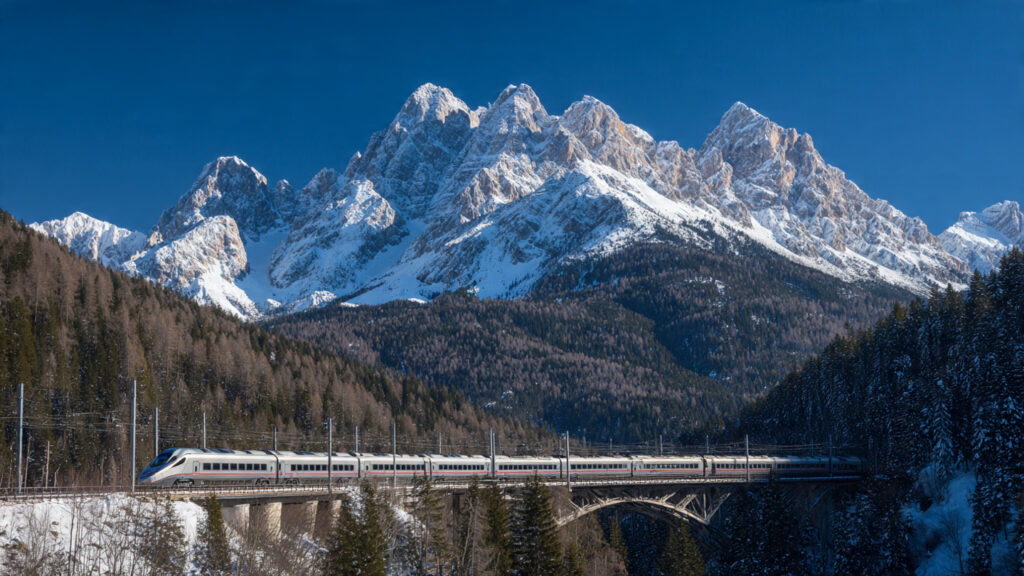
The Milano-Cortina Winter Olympic Games also define this year. This event brought massive investment to Northern Italy. Specifically, the Lombardy and Veneto regions received new upgrades. New high-speed rail connections now link the major mountain venues. These facilities suit those who enjoy luxury mountain retreats. While the north remains busy, the rest of the country stays tranquil. Infrastructure upgrades from the previous year benefit all regions.
Top Destinations for Your 2026 Itinerary
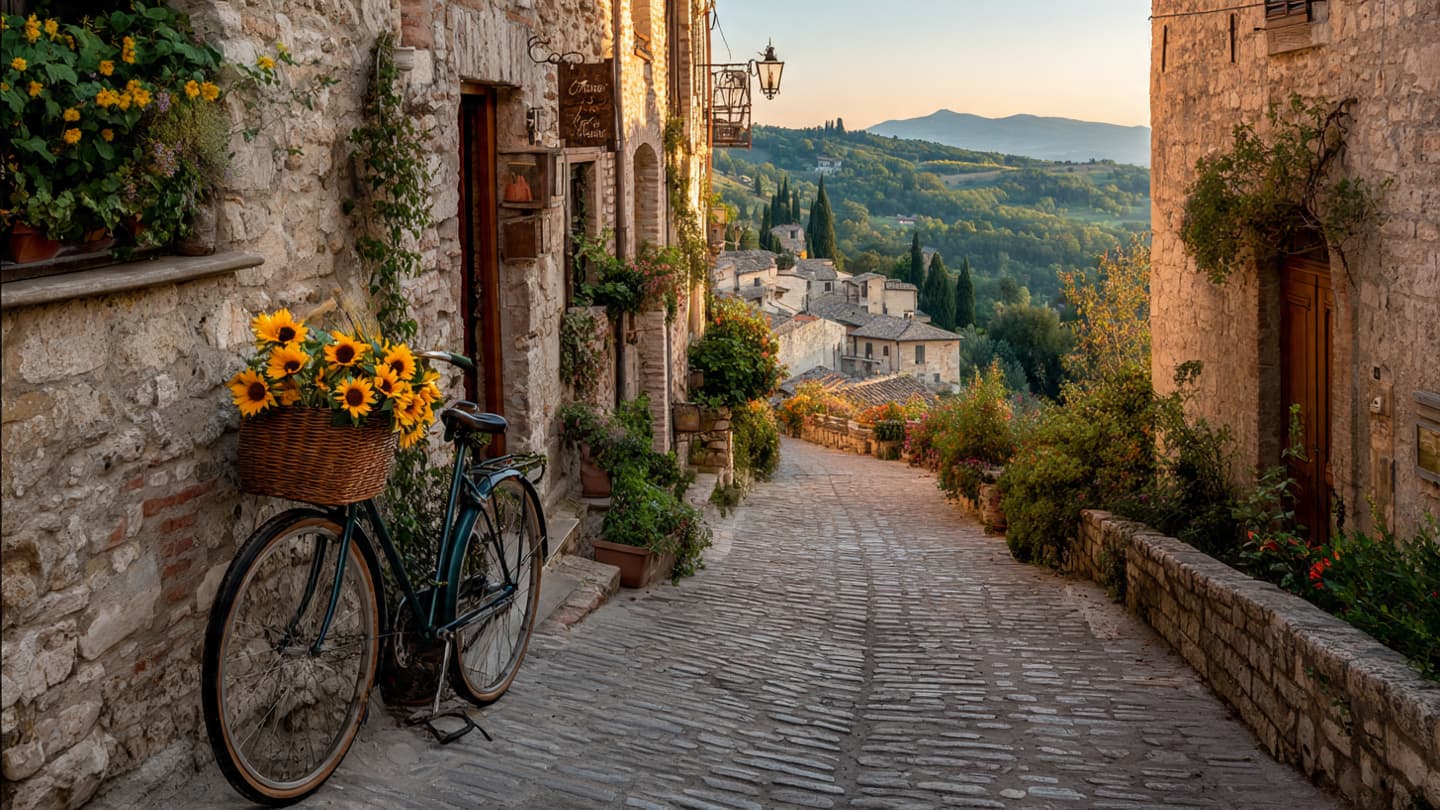
Rome, Florence, and Venice remain eternal favorites. However, interest in Italy’s “green heart” is surging in 2026. Abruzzo has emerged as a top contender for modern travelers. The region offers mountainous national parks and pristine beaches. It provides a more affordable alternative to Tuscany. Many medieval hill towns there remain untouched by mass tourism. It is the perfect place for “slow travel” enthusiasts.
Sicily continues to captivate visitors in the south. The island blends Greek ruins with stunning Baroque architecture. In 2026, travelers love the “farm-to-table” experiences near Mount Etna. Meanwhile, the northern region of Friuli Venezia Giulia gains more recognition. It features a unique blend of Italian and Slavic influences. You can enjoy the coffee houses of Trieste or the vineyards of Collio. Many people use an Italy Travel Guide to find these hidden spots.
Essential Travel Requirements and Planning
Planning an Italian trip requires more than just a plane ticket. You must understand the new digital and environmental regulations. The ETIAS will be mandatory for many travelers later this year. The application costs roughly €7 for adults. It remains valid for three years or until your passport expires. This quick process prevents delays at the airport. Additionally, many cities are expanding their “ZTL” zones. Use the excellent rail network instead of renting a car.
- Entry Authorization: Apply for your ETIAS online at least four days before departure.
- High-Speed Rail: Use Frecciarossa trains to travel between Rome, Milan, and Naples.
- Regional Passes: Buy a regional rail pass to explore small towns in Piedmont.
- Advance Booking: Book tickets for the Colosseum at least two months in advance.
- Local Connectivity: Purchase an eSIM before arrival for easy navigation.
- Sustainability Fees: Pay the small entry fees required in cities like Venice.
Cultural Etiquette and Local Customs
You must respect the local rhythm of life to enjoy Italy. Life moves slower here than in North America. The “riposo” break is still common in smaller towns. Shops often close for a few hours in the afternoon. Embrace this pause with a long lunch or a stroll. Furthermore, dress modestly when you visit religious sites. Always cover your shoulders and knees inside churches.
The concept of “La Bella Figura” guides Italian social life. This tradition involves behaving with grace and showing respect. Simple gestures establish a friendly rapport with the locals. Greet shopkeepers with a “Buongiorno” when you enter. In restaurants, you must ask for the bill (il conto). Servers rarely bring it to the table automatically. This reflects the philosophy that a meal is a social event. Any good Italy Travel Guide emphasizes these social nuances.
Culinary Experiences: Beyond Pasta and Pizza
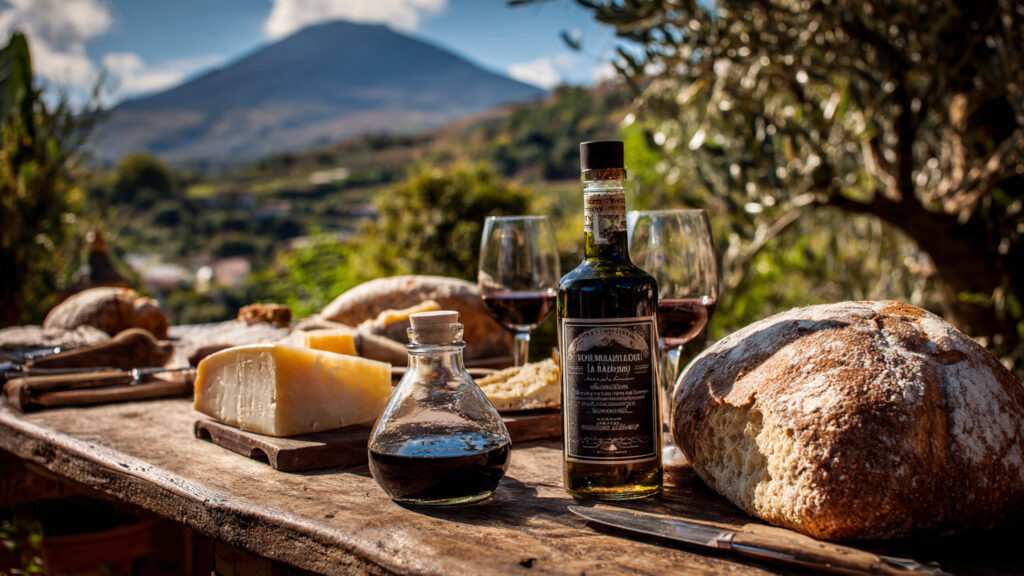
The Italian food scene focuses on regionality in 2026. Travelers still want authentic pizza and Roman carbonara. However, the real magic lies in local provincial ingredients. You can witness balsamic vinegar aging in Modena. You can also visit the parmigiano-reggiano dairies in Parma. These experiences offer a deep connection to the land. Artisans have perfected these crafts over many generations.
Culinary tourism has led to a boom in hands-on activities. Many villas now offer professional cooking classes. You can also go truffle hunting in the forests of Piedmont. These activities are easy to understand and very professional. They suit families and solo travelers perfectly. You support small-scale farmers by participating in these cycles. This Italy Travel Guide suggests avoiding mass-market dining options.
Seasonal Guide: When to Visit Italy
The best time to visit depends on your specific interests. The shoulder seasons remain the “sweet spot” for most people. Specifically, May, June, and September offer the best balance. The weather stays pleasantly warm during these months. The light is perfect for photography as well. Furthermore, the extreme summer heat has not yet arrived. Many local food festivals occur during these times.
The northern provinces will be bustling during the Winter Olympics. If you want a coastal escape, try late spring. The sea is often warm enough for a swim by late May. Additionally, the lemon trees on the Amalfi Coast are in bloom. Do not overlook winter in the major cities. Rome and Florence take on a cozy and intimate atmosphere. Fewer tour groups allow for a very personal experience with the art.
Sustainable Tourism Initiatives
Italy leads the way in sustainable tourism initiatives today. Many regions now use “capped” entry systems for fragile sites. These rules protect hiking trails in the Cinque Terre. They also protect specific islands in the Venetian lagoon. These measures prevent environmental degradation effectively. They ensure the quality of the visitor experience remains high. You should book authorized tours to support these local efforts.
- Eco-Friendly Stays: Choose “Agriturismi” that use solar power and local food.
- Water Conservation: Use the “nasoni” fountains in Rome for free drinking water.
- Plastic Reduction: Avoid single-use plastics on beaches in coastal towns.
- Public Transit: Choose trains over flights to reduce your carbon footprint.
- Off-the-Beaten-Path: Spend time in lesser-known towns to help the local economy.
- Ethical Shopping: Buy souvenirs from local artisans instead of tourist traps.
Logistics: Money, Safety, and Health
Italy is a safe destination for most international travelers. However, major tourist hubs require some common sense. Pickpocketing happens in crowded areas like Rome Termini. Use a cross-body bag to keep your phone secure. In terms of health, the Italian medical system is excellent. Still, you should buy comprehensive travel insurance. This covers medical emergencies and unexpected trip cancellations. Safety remains a priority in this Italy Travel Guide.
Financially, Italy has become much more digital recently. Most shops and restaurants now accept major credit cards. You can also use contactless payments almost everywhere. However, keep a small amount of cash for public restrooms. These often require a small coin for entry. Tipping is not mandatory because the bill includes a service charge. Still, leaving a few euros for great service is nice. Use this guide to make your 2026 trip seamless.
References
- Italian National Tourist Board (ENIT) / Italia.it: The official government portal providing updated safety information, regional guides, and legal requirements for 2026 travelers.
- Official European Union ETIAS Portal: The definitive source for checking visa-exempt status and applying for the mandatory travel authorization required for entry into Italy.