
Planning your first trip to Europe in 2026 is an exhilarating milestone that often feels like stepping into a living history book. With its diverse cultures, world-class cuisine, and efficient transportation networks, the continent offers a relatively seamless experience for international travelers. However, the sheer number of choices can be overwhelming for a novice explorer. Selecting the right destinations is crucial to ensuring your first foray into Europe is both manageable and memorable. This guide focuses on the essential preparation steps and highlights three iconic cities that serve as perfect “gateway” destinations for any first-time visitor.
Essential Travel Documentation and ETIAS Requirements
You must check your paperwork before booking flights in 2026. Most travelers now need to use the ETIAS system. This digital permit links to your passport for three years. You also need a passport valid for six months past your trip. Border agents will ask for proof of travel insurance. Carry digital and paper copies of every document. Proper preparation prevents stress at the airport. Always verify entry rules for each specific country on your list.
Financial Planning and Managing Your Budget
Managing money requires a mix of tech and backup plans. The Euro is common, but some countries use their own cash. You should tell your bank about your travel dates. This prevents them from locking your card abroad. Carry a credit card with no foreign fees to save money. Keep a small amount of local cash for tiny shops. Contactless payment is now the standard across most cities. Smart budgeting helps you enjoy the best places to visit in Europe without stress.
Navigating the Best Places to Visit in Europe via Train
Europe has a fantastic train network that connects major cities. The Eurail pass is a favorite for new travelers. It allows you to see the countryside while you move between nations. Most cities have clean and fast underground subways. You can reach famous landmarks easily without a car. Use apps like Citymapper to find the fastest routes. Always validate your paper tickets before boarding to avoid fines. Train travel is often faster than flying between close countries.
Packing Strategies for Your European Adventure
Packing requires a smart plan to handle different weather. Layering your clothes helps you stay comfortable all day. Temperatures often change between the morning and the evening. You must bring high-quality walking shoes for the trip. Most historic streets feature bumpy cobblestones that hurt your feet. A universal power adapter is a vital tool for your gadgets. Plug types change when you move from London to Paris. Professional travelers always pack light to make moving between hotels easier.
Communication and Staying Connected Online
Staying connected is a necessity for modern navigation and safety. You can buy a local SIM card or use an eSIM. Many travelers prefer eSIMs for instant data upon arrival. Most cafes offer free Wi-Fi for their customers. However, use a VPN to keep your personal data secure. Download offline maps in case you lose your signal. Language apps help you translate menus and signs instantly. High-speed 5G is available in almost every major capital city.
London: One of the Best Places to Visit in Europe
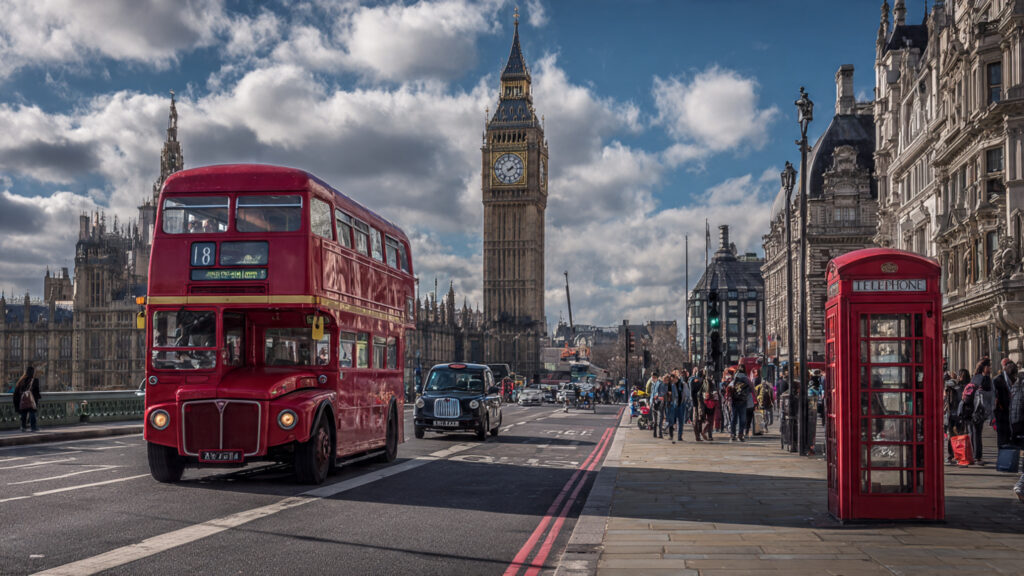
London is a perfect start for those who speak English. You can explore 2,000 years of history in one afternoon. The city blends ancient towers with modern glass skyscrapers. You will find it easy to use the famous “Tube” subway. Visit the British Museum to see world-famous treasures for free. Walk through Hyde Park to enjoy a quiet moment in the city. London offers a familiar culture with a unique British twist. It truly ranks as one of the best places to visit in Europe.
Paris: A Top Pick for Culture and Gastronomy
Paris is the city of light and a dream for art lovers. You can see the Eiffel Tower glow at night. The Louvre Museum holds thousands of famous masterpieces. Walk through the Marais district to find chic boutiques and cafes. Parisians appreciate it when you say “Bonjour” upon entering a shop. You should book your museum tickets weeks in advance. Enjoy a boat cruise on the Seine to see the city. Paris remains one of the best places to visit in Europe for a reason.
Rome: Why it is Among the Best Places to Visit in Europe
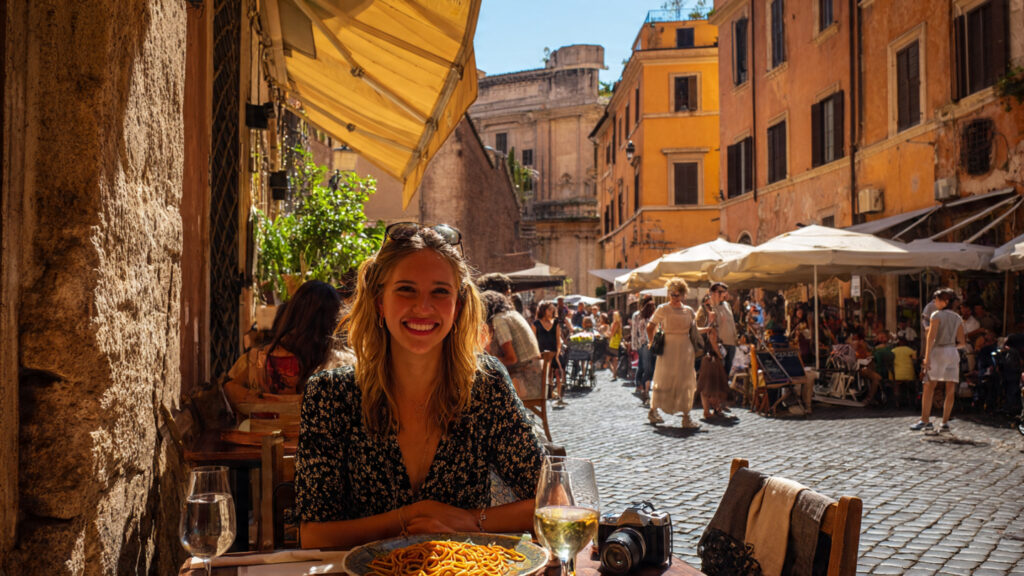
Rome feels like a giant museum without any walls. You can walk from the Colosseum to the Roman Forum in minutes. The city serves some of the best food in the world. Try authentic carbonara or fresh gelato in a local piazza. You must visit the Vatican to see the Sistine Chapel. Rome is very walkable, but the streets are often crowded. Drink water from the historic fountains to stay hydrated for free. No list of the best places to visit in Europe is complete without Rome.
Practical Checklist for First-Time Travelers
Follow this list to prepare for a smooth European holiday:
- Book Hotels Early: Prime spots in London and Paris sell out fast.
- Get Timed Entry Tickets: Use official websites for the Louvre and Colosseum.
- Buy Travel Insurance: Ensure it covers health and trip delays.
- Check Your Phone: Confirm your device works with international networks.
Essential Items for Your Travel Bag
Pack these specific items to improve your travel experience:
- Portable Power Bank: Your phone battery will die quickly using GPS.
- Reusable Water Bottle: Fill it up at public fountains to save money.
- Anti-Theft Bag: Protect your wallet in crowded tourist areas.
- First Aid Kit: Carry basics like aspirin and blister bandages.
References
- Rick Steves’ Europe: https://www.ricksteves.com/europe A top guide for practical planning and cultural tips for new travelers.
- Lonely Planet: https://www.lonelyplanet.com/europe Detailed digital maps and up-to-date advice for the best places to visit in Europe.