Many travelers flock to Bangkok, Tokyo, Bali, and Singapore every year. These iconic landmarks draw millions of visitors. However, the vast majority of this diverse continent remains largely untouched. Beyond the neon signs, you can find extraordinary landscapes and vibrant cultures. Therefore, exploring these overlooked regions offers a profound sense of discovery. You can experience spectacular geography without the crowds. For this reason, these hidden gems in Asia deserve a spot on your bucket list.
Choosing to step off the well-worn tourist trail requires a shift in mindset. When you look past the standard brochures, you find pristine traditions. Consequently, you can connect deeply with local communities and witness undisturbed wildlife. These secret corners provide a true expedition rather than a curated holiday. Therefore, you need to know exactly which regions deserve a spot on your itinerary.
To help you navigate this massive continent, we compiled an extensive guide. We will reveal the ultimate destinations that tourists routinely bypass. Whether you want mist-shrouded mountains or pristine coastlines, this list will help. Let us pick the absolute best hidden gems in Asia for your next big journey.
Central Asia Secrets: The Mysterious Allure of Tajikistan
Central Asia remains one of the least visited regions in the world. Specifically, Tajikistan is perhaps the most spectacular secret on the continent. The country features the rugged Pamir Mountains, which locals call the Roof of the World. These mountains offer some of the most awe-inspiring high-altitude landscapes on Earth. Adventurous travelers can navigate the famous Pamir Highway. This remote road snakes along the border of Afghanistan, offering views of snow-capped peaks and deep river gorges. Furthermore, the isolation of this region has preserved an ancient way of life. Local families view hospitality as a sacred duty, so they welcome strangers with open arms.
Visiting Tajikistan allows you to explore the historic Wakhan Corridor. Ancient Silk Road traders once traveled along this narrow strip of land. Today, you can soak in natural hot springs and explore crumbling fortresses. You can also interact with the Pamir people, who speak distinct languages. Because luxury infrastructure does not exist here, casual tourists stay away. Consequently, you can enjoy vast valleys and pristine alpine lakes entirely by yourself. This destination challenges your physical endurance but rewards your spirit. It stands out as one of the most rewarding hidden gems in Asia.
Coastal Escapes: The Underrated Beaches of Quy Nhon in Vietnam
International travelers routinely crowd the beaches of Da Nang and Nha Trang. However, the coastal city of Quy Nhon remains a peaceful sanctuary. Located in central Vietnam, Quy Nhon boasts long stretches of golden sand. It features dramatic rocky cliffs and clear turquoise waters. Fortunately, you will not find high-rise hotels or noisy beach clubs here. The pace of life is blissfully slow. The local community centers around a bustling fishing industry, so you can enjoy the freshest seafood daily. Therefore, it is a perfect alternative to mainstream beach resorts.
The surrounding landscape is rich with cultural history. For example, ancient Cham towers dot the hillsides. These structures serve as silent reminders of an empire that ruled centuries ago. You can rent a motorbike to ride along the scenic coastal roads. These paths lead to isolated fishing villages like Nhon Ly or hidden coves like Ky Co. Because Western tourism is still new here, interactions with residents are genuinely authentic. Quy Nhon proves that you can escape the suffocating crowds of Southeast Asian tourism. It easily ranks among the top coastal hidden gems in Asia.
Wilderness Adventures: The Untamed Cardamom Mountains in Cambodia
Cambodia is famous for the majestic temples of Angkor Wat. Yet, few travelers realize that the country harbors one of Southeast Asia’s largest rainforests. The Cardamom Mountains form a vast expanse of dense jungle and hidden waterfalls. For decades, remote geography and past conflicts kept this area inaccessible. Today, however, new eco-tourism initiatives protect the environment. These projects also provide sustainable livelihoods for local communities. As a result, this wilderness is now open for dedicated hikers and wildlife enthusiasts.
Trekking through the Cardamom Mountains introduces you to a thriving ecosystem. Rare species like Asian elephants and sun bears live in these forests. However, catching a glimpse of these elusive creatures requires patience. The real magic lies in the immersive experience of the jungle itself. You can kayak down pristine rivers and swim beneath secluded waterfalls. By visiting this region, you contribute directly to conservation efforts. This trip offers a powerful reminder of Cambodia’s natural resilience. It remains one of the wildest hidden gems in Asia for eco-travelers.
Southern Laos Wonders: Unveiling the Ancient Splendors of Champasak
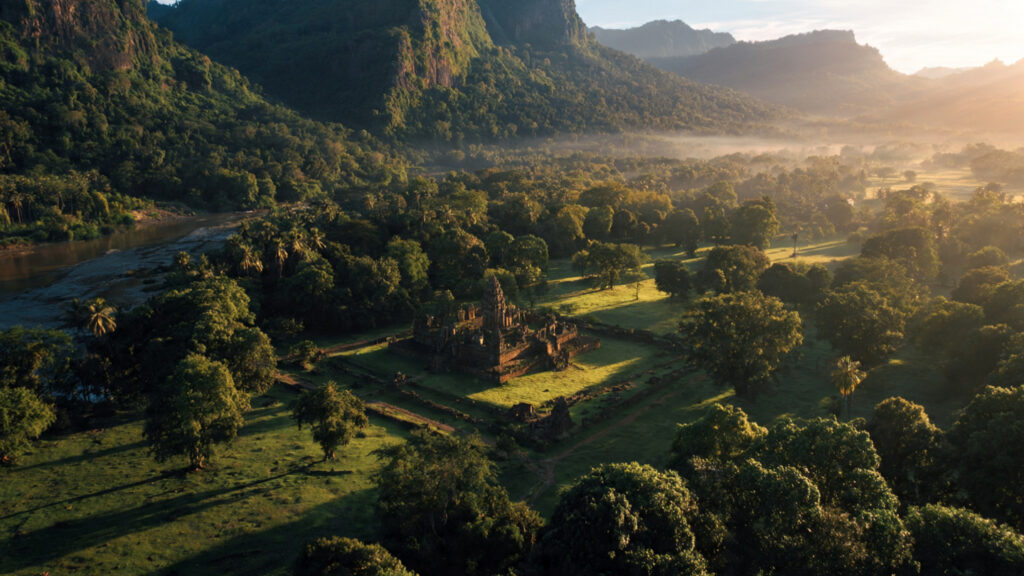
Luang Prabang and Vang Vieng capture the majority of attention in Laos. This trend leaves the southern province of Champasak wonderfully quiet. This region houses Wat Phou, a UNESCO World Heritage site that pre-dates Angkor Wat. The ancient Khmer temple complex stretches up the hillside of Mount Phu Kao. It offers breathtaking views of the Mekong River flowing through the plains. Walking through these ancient stone structures without large tour groups creates an atmosphere of serenity. Thus, you can experience true historical mystery.
Further south, the Mekong River widens to form the scenic 4,000 Islands. Time appears to stop entirely in this peaceful archipelago. Here, the river cascades over massive drops at Khone Phapheng Falls. Travelers can spend their days cycling through sleepy riverside villages. You can also spot rare Irrawaddy dolphins in the river currents. Meanwhile, old French colonial architecture crumbles gracefully among the palm trees. Champasak provides a gentle, slow-moving travel experience. For this reason, it is one of the most cultural hidden gems in Asia.
Historic India: The Striking Landscapes and Forts of Alwar
India features countless iconic landmarks that draw millions of visitors. However, the historic city of Alwar in Rajasthan often misses out on mainstream itineraries. Located between Delhi and Jaipur, Alwar is one of the oldest cities in the state. It features architectural marvels that easily rival its more famous neighbors. The city features the majestic Bala Quila, a massive fort on a craggy hilltop. The fort offers panoramic views of the Aravalli Range. Despite its grandeur, the site remains uncrowded, so you can wander through ancient ramparts in peace.
Beyond the fort, Alwar houses the stunning City Palace complex. This site features a brilliant blend of Rajput and Mughal architecture. Next to the palace, the Sariska Tiger Reserve offers exciting safaris. You can spot Bengal tigers and leopards without heavy jeep traffic. The city also features the hauntingly beautiful Bhangarh Fort. Many people regard it as one of the most haunted places in Asia. While it attracts curious locals, global tourists usually skip it. Alwar provides a rich tapestry of history and wildlife, making it one of the premier hidden gems in Asia.
Island Traditions: Discovering the Cultural Heritage of Majuli in India
Deep within the northeastern state of Assam lies Majuli. This destination is the world’s largest river island, located in the middle of the Brahmaputra River. Majuli serves as the cultural capital of Assamese civilization. It is famous for its unique neo-Vaishnavite monasteries, known locally as Satras. These institutions have preserved traditional art, music, and dance for over five hundred years. Therefore, the island acts as a living museum of spiritual heritage. The island also houses indigenous tribes, such as the Mising people, who live in stilt houses.
- Satra Monasteries: Visit prominent Satras like Auniati and Kamalabari to witness traditional mask-making and devotional dance.
- Bird Watching: Explore extensive wetlands that serve as a critical winter habitat for rare migratory birds.
- Pottery Villages: Observe the ancient style of pottery making in Salmora village, where artisans shape clay entirely by hand.
- Bicycle Exploration: Rent a bicycle to navigate flat dirt paths through emerald rice paddies and peaceful tribal settlements.
Island Sanctuary: The Remote Volcanic Wonders of the Goto Islands in Japan
International travelers constantly fill the streets of Kyoto and Tokyo. In contrast, the Goto Islands offer an entirely different glimpse into Japan. Situated off the western coast of Kyushu, this volcanic chain is celebrated for its dramatic coastlines. It features emerald-green hills and crystal-clear waters. Furthermore, the islands possess a unique historical legacy. They served as a refuge for Japan’s “Hidden Christians” during the Edo period. Today, historic brick and wooden churches still stand in remote villages. This history earned the region a UNESCO World Heritage designation.
The natural beauty of the Goto Islands is spectacular. For instance, Takahama Beach offers striking white sand and gradient blue waters. Travelers can hike up Mt. Onake to view ancient volcanic craters. You can also enjoy pristine seafood caught daily by local fishermen. The islands are famous for Goto Udon noodles, which chefs stretch using local camellia oil. The effort required to reach these islands ensures they remain peaceful. Thus, the archipelago stands out among the coastal hidden gems in Asia.
Mountain Peace: Experiencing the Solitude of Haputale in Sri Lanka
The hill country town of Ella has become immensely popular among global travelers. Consequently, its hiking trails and cafes are now very crowded. However, you can find the same dramatic mountain vistas in Haputale. Perched on the edge of the central highlands, Haputale offers views that stretch to the southern coast. The area features a vast sea of green tea bushes. Local Tamil tea pluckers work the steep slopes just as their ancestors did. Therefore, you can experience the mountain climate without the tourist crowds.
- Lipton’s Seat: Hike up to the famous viewpoint where Sir Thomas Lipton surveyed his tea empire amid mountain mists.
- Adisham Bungalow: Tour a beautiful Benedictine monastery built in the style of an English country manor house.
- Bambarakanda Falls: Travel a short distance to witness the tallest waterfall in Sri Lanka cascading down a cliff.
- Idalgashinna Station: Walk along the historic railway tracks to experience an atmospheric, misty railway station.
Castaway Paradise: The Forgotten Reefs of the Banyak Islands in Indonesia
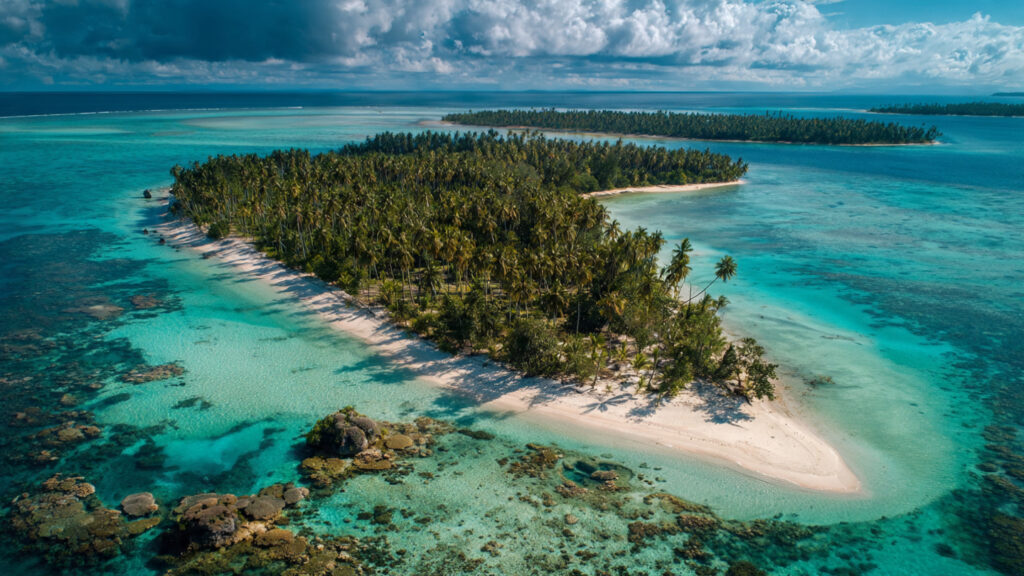
Millions of vacationers head straight to Bali or the Gili Islands. In contrast, the Banyak Islands offer a glimpse of ancient Indonesia. Located off the western coast of Sumatra, this archipelago consists of roughly sixty pristine islands. Vibrant coral reefs and uncrowded surf breaks surround the entire area. The islands feature dense coconut groves and powder-white sand beaches. Because commercial development does not exist here, electricity is limited to a few hours a day. Therefore, it provides the ultimate escape for adventurous travelers.
The marine biodiversity in the Banyak Islands is astonishing. This reality makes it a dream destination for snorkelers and divers. You can explore healthy coral gardens teeming with sea turtles and manta rays. Islands like Pulau Palambak offer simple beach bungalows right on the water’s edge. For surfers, the region offers legendary waves without the competitive crowds of Bali. The Banyak Islands require time and patience to reach. However, they reward travelers with a true castaway experience. They remain one of the most isolated hidden gems in Asia.
Smart Travel Advice: Crucial Tips for Navigating Off-the-Beaten-Path Asia
| Destination | Best Time to Visit | Key Highlight |
| Pamir Highway | June to September | High-altitude mountain trekking |
| Quy Nhon | March to August | Untouched beaches & Cham history |
| Cardamom Mountains | November to February | Tropical rainforest eco-safaris |
| Champasak | November to March | Pre-Angkorian temple ruins |
| Alwar | October to March | Historic forts & tiger reserves |
| Majuli | October to March | Monastic culture & tribal art |
| Goto Islands | May to October | Hidden Christian history & beaches |
| Haputale | January to April | Misty tea plantations & hiking |
| Banyak Islands | June to October | World-class uncrowded surfing |
Traveling to remote regions requires thorough preparation. Because these regions lack massive infrastructure, public transportation schedules change frequently. Furthermore, local residents rarely speak English, and shops seldom accept digital payments. Therefore, it is essential to carry sufficient local currency. You should also download offline maps and translation apps before your journey. Securing comprehensive travel insurance is another critical step. If you embrace a slower pace, your journey will be successful. These hidden gems in Asia will provide memories that last a lifetime.
References
- UNESCO World Heritage Centre – Official database providing historical data, maps, and cultural significance for protected sites like Wat Phou and the Goto Islands.
- Lonely Planet Asia Guide – Reliable travel insights, regional logistics, and expert recommendations for navigating remote destinations across the Asian continent.