Slovenia is the kind of country many travelers accidentally squeeze into a Europe trip. It appears on the map between bigger names like Italy, Austria, Croatia, and Hungary, so it often gets treated like a convenient stop instead of a destination with its own rhythm.
That is where many itineraries go wrong.
A thoughtful Slovenia travel itinerary can easily become one of the most rewarding parts of a Central Europe trip. The country is small, but it does not feel limited. In just a few days, you can walk through a calm riverside capital, visit famous alpine lakes, drive into the Julian Alps, explore caves, and slow down in places that still feel peaceful compared with Europe’s busier routes.
The key is not to rush it. Slovenia is beautiful at first glance, but it becomes much more memorable when you give it time. Lake Bled may be the image that pulls travelers in, but Ljubljana, Lake Bohinj, Vršič Pass, and the mountain scenery around Triglav National Park are what make the country feel complete.
For a real traveler discussion on this topic, this Travelpixo community post explains why you should not skip Slovenia when visiting Central Europe.
Why Slovenia Fits So Well Into a Europe Trip
Slovenia is easy to add to a Europe trip because it sits in the middle of several popular routes. Travelers coming from Austria can continue south into Ljubljana. Those visiting northern Italy can connect Slovenia with Venice or Trieste. It also pairs naturally with Croatia, especially for people planning both mountains and coastline in one trip.
What makes Slovenia special is how little effort it takes to see variety. In many countries, you need long train rides or multiple hotel changes to move from city to lake to mountain. In Slovenia, the distances are shorter and the transitions feel smoother. You can have breakfast in Ljubljana, spend the afternoon by a lake, and still end the day somewhere surrounded by alpine views.
That compactness makes a Slovenia travel itinerary especially useful for travelers who want more experience without adding more stress. Instead of trying to “cover” another country just to say you went there, Slovenia gives you a real sense of place in a manageable amount of time.
Ljubljana Is More Than Just an Arrival City
Ljubljana is often where travelers start their Slovenia trip, but it should not be treated only as a place to land, sleep, and leave. The city has a quiet confidence that grows on you. It is not trying to compete with Europe’s biggest capitals, and that is exactly why it feels so pleasant.
The center is easy to explore on foot. You can walk along the river, cross the bridges, visit the castle area, and stop for coffee without feeling like you are falling behind on a sightseeing checklist. Ljubljana is the kind of city where the best moments may be simple ones: sitting outside in the old town, noticing the architecture, or enjoying a slow meal after several busy travel days.
It also works well as a base. From Ljubljana, many of Slovenia’s most popular places are reachable as day trips or short transfers. That makes it useful for travelers who prefer not to move hotels every night. If your Europe route already includes larger, louder cities, Ljubljana can feel like a much-needed pause.
Lake Bled Is Beautiful, But Do Not Stop There
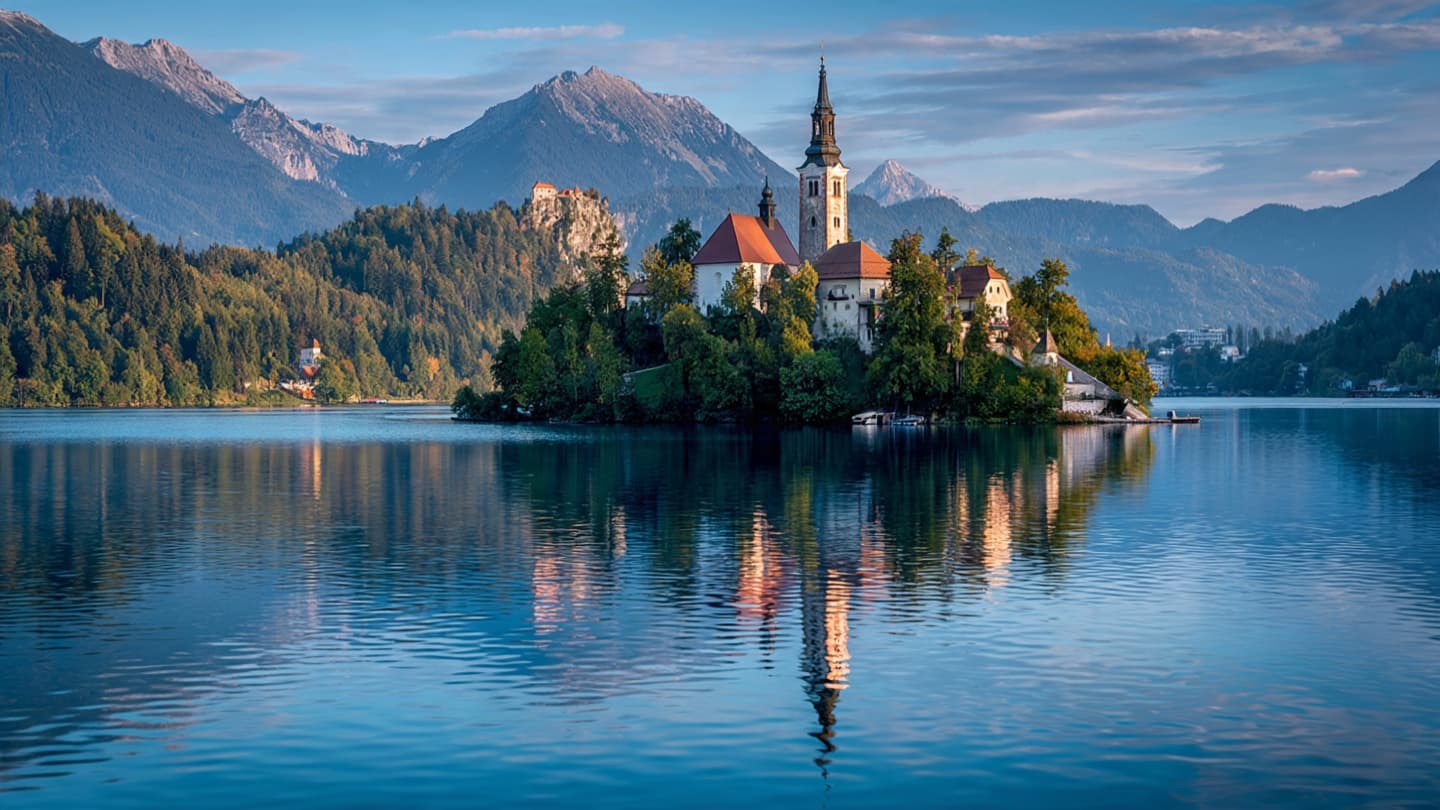
Lake Bled is famous for a reason. The island church, the castle on the cliff, and the mountain backdrop all look almost too perfect. It is one of those places that actually does look like the photos, especially early in the morning or when the light hits the lake just right.
But Lake Bled can also be where travelers make the mistake of thinking they have “done” Slovenia. They arrive, take the classic photo, walk part of the lake, try the cream cake, and then move on. It is a lovely stop, but it is not the full story.
A better way to include Bled in your Slovenia travel itinerary is to enjoy it without making it carry the whole trip. Go early if you want fewer crowds. Stay overnight if you want to see the lake when most day visitors are gone. Then use Bled as a doorway into the alpine side of Slovenia, not as the final highlight.
Lake Bohinj Shows a Quieter Side of Slovenia
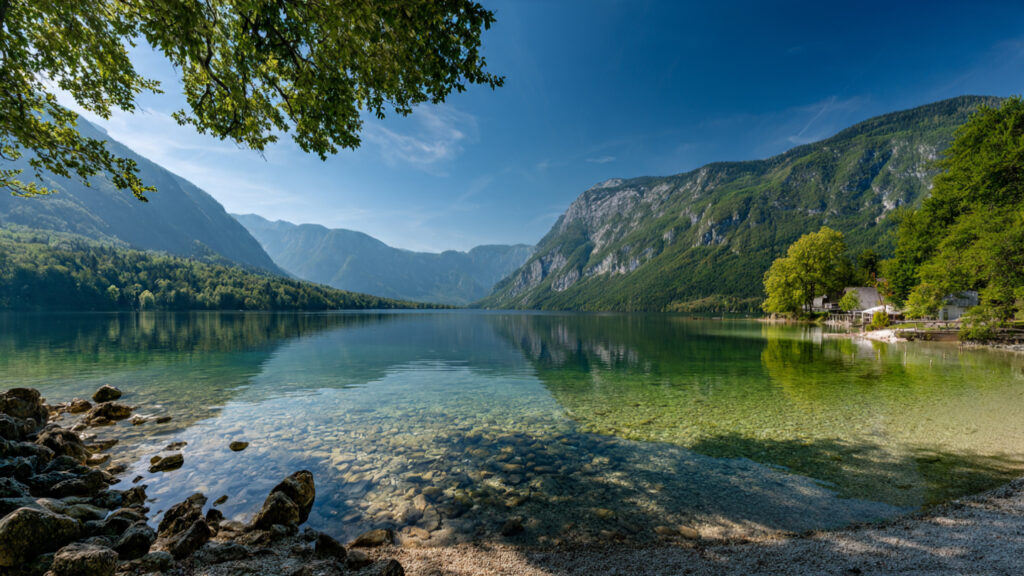
Lake Bohinj feels different from Lake Bled almost immediately. It is still beautiful, but it feels less polished and more open. The scenery is bigger, quieter, and more natural. For many travelers, Bohinj is where Slovenia starts to feel less like a famous destination and more like a place you are lucky to have found.
This is a good stop for slowing down. You do not need to fill every hour with activities. A walk by the water, a swim in summer, a kayak ride, or a cable car up to Vogel can be enough. The point of Bohinj is not only what you do there, but how the pace changes once you arrive.
Including Lake Bohinj gives a Slovenia travel itinerary more balance. Bled gives you the iconic view, while Bohinj gives you space. Together, they show two sides of the country: one polished and postcard-ready, the other quieter and more deeply connected to the surrounding mountains.
The Julian Alps and Vršič Pass Add Adventure
The Julian Alps are where Slovenia starts to feel much larger than it looks on the map. The roads become more dramatic, the views open up, and the trip takes on a stronger outdoor feeling. Even if you are not planning serious hikes, this region adds a sense of adventure to the itinerary.
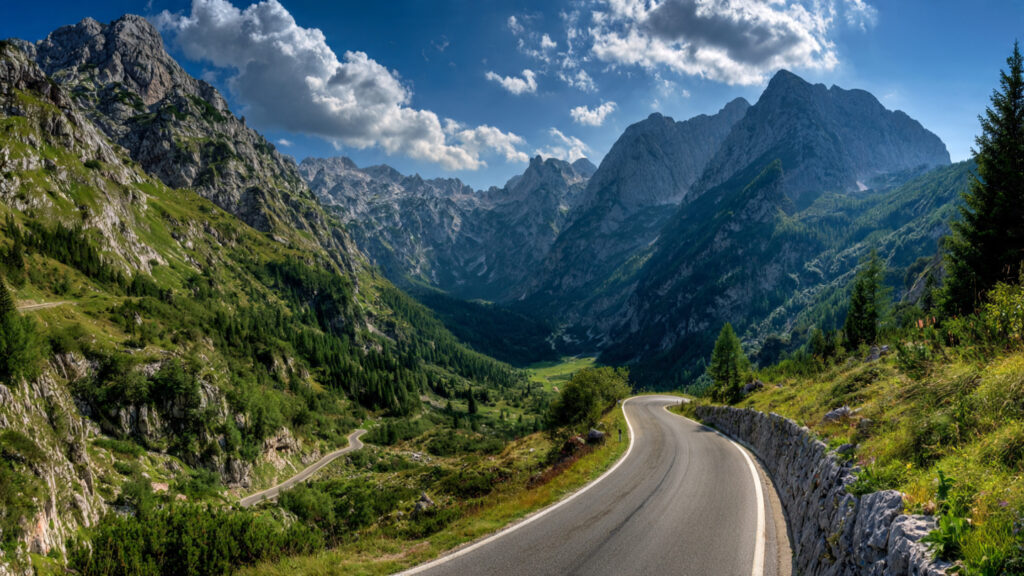
Vršič Pass is one of the most memorable drives in the country. It is not just a route between places. It is part of the experience. The turns, viewpoints, mountain air, and changing scenery make the drive feel like a highlight rather than simple transportation.
If you have a car, this part of Slovenia becomes much easier to enjoy. You can stop when the view is good, adjust your route, and connect places like Kranjska Gora, the Soča Valley, and Triglav National Park more comfortably. Public transport can work for some travelers, but a road trip gives the alpine region much more freedom.
How Many Days Do You Need for a Slovenia Travel Itinerary?
The right length depends on how fast you like to travel, but Slovenia deserves more than one quick overnight stop. A short visit can still be enjoyable, but the country becomes much better when you allow enough time to move beyond Ljubljana and Lake Bled.
- 2 days in Slovenia: This is enough for Ljubljana and a fast visit to Lake Bled. It works for tight Europe schedules, but you will probably leave feeling like you only saw the surface.
- 3 days in Slovenia: A better minimum for first-time visitors. You can see Ljubljana, Lake Bled, and either Lake Bohinj or one cave-and-castle day trip.
- 4 to 5 days in Slovenia: This is the sweet spot for many travelers. You can include Ljubljana, Lake Bled, Lake Bohinj, and part of the Julian Alps without rushing every day.
- 7 days in Slovenia: Ideal if you want a fuller trip with lakes, mountains, caves, scenic drives, and slower mornings.
- 10 days or more in Slovenia: Best for travelers who want to add the coast, wine regions, longer hikes, or a more relaxed road trip across the country.
A Simple Slovenia Travel Itinerary for First-Time Visitors
This route keeps the trip realistic for first-time visitors. It includes the places most travelers want to see, but it also leaves enough space for Slovenia to feel enjoyable rather than packed.
- Day 1: Ljubljana
Start in Ljubljana and keep the day easy. Walk through the old town, visit the castle area, cross the bridges, and settle into the slower pace of the city. - Day 2: Lake Bled
Visit Lake Bled for the classic Slovenia view. Walk around the lake, visit Bled Castle, and stay overnight if you want to enjoy the area before or after the day-trip crowds. - Day 3: Lake Bohinj
Continue to Lake Bohinj for a calmer alpine day. Spend time by the water, go kayaking or swimming in warmer months, or take the Vogel cable car for mountain views. - Day 4: Julian Alps and Vršič Pass
Rent a car if possible and drive into the Julian Alps. Add Kranjska Gora, Vršič Pass, or part of the Soča Valley depending on your timing and comfort level. - Day 5: Caves, Castles, or Ljubljana
Use your final day for Postojna Cave, Škocjan Caves, Predjama Castle, or one more relaxed day in Ljubljana before continuing your Europe trip.
Best Time to Visit Slovenia
The best time to visit Slovenia depends on the kind of trip you want. For lakes, hiking, road trips, and easier travel conditions, late spring to early autumn is usually the most comfortable period.
June and September are especially good months for a Slovenia travel itinerary. The weather is generally pleasant, but the busiest summer crowds are easier to avoid. July and August are great for swimming and long outdoor days, although popular places like Lake Bled can feel more crowded and more expensive.
Winter has its own appeal, especially in the mountains, but it needs more careful planning. Some roads may be affected by snow, and certain outdoor activities are seasonal. If you are visiting for skiing or winter scenery, it can be a beautiful time to go. If you want lakes, driving, and flexible outdoor plans, spring through early autumn is the safer choice.
Is Slovenia Expensive Compared With Nearby Countries?
Slovenia is not always cheap, but it often feels like good value compared with Austria, Switzerland, and some of Italy’s more popular regions. Meals, guesthouses, local travel, and outdoor experiences can feel more manageable, especially when you move beyond the most tourist-heavy places.
Lake Bled is one of the areas where prices can rise, especially in peak season. Booking early, staying nearby, or visiting outside the busiest months can make a difference. Ljubljana can also vary by season, but it often feels easier to manage than many larger European capitals.
The better question is not only whether Slovenia is cheaper. It is whether the experience feels worth the cost. For many travelers, the answer is yes. A strong Slovenia travel itinerary gives you lakes, mountains, a charming capital, caves, scenic roads, and peaceful nature without requiring long travel times or a complicated route.
Why Slovenia Deserves More Than a Quick Stop
Slovenia deserves more than a quick stop because it has the rare ability to feel both easy and rewarding. It does not overwhelm you with distance, but it also does not feel small once you start exploring. Every few hours, the scenery can change completely.
If you only visit Lake Bled for a few hours, you will understand that Slovenia is beautiful. But if you stay longer, you start to understand why people talk about it with real affection. Ljubljana adds charm. Lake Bohinj adds calm. The Julian Alps add drama. Vršič Pass adds movement and adventure.
A good Slovenia travel itinerary does not need to be complicated. It simply needs enough time. Give the country a few real days, go beyond the obvious photo stop, and Slovenia may become the part of your Europe trip that stays with you the longest.
References
- Slovenian Tourist Board – Julian Alps: Official tourism information about the Julian Alps, including Lake Bled, Lake Bohinj, Triglav National Park, and the Soča River.
- Triglav National Park – Official Website: Official source for Slovenia’s only national park, visitor guidance, nature protection, and park information.