

Ramen evolved from a humble street food into a global culinary phenomenon. For food enthusiasts and travelers alike, exploring this deep landscape requires a definitive Japanese Ramen Guide. While international diners know basic classifications like shoyu or tonkotsu, the true magic lies in geography. Japan contains hundreds of micro-regional variations. Local climates, historical trade routes, and regional agricultural strengths shape these bowls. Therefore, understanding these nuances changes how you appreciate your noodles.
To truly understand authentic Japanese noodle culture, you must look at how geography dictates flavor. Northern regions rely heavily on rich fats to combat sub-zero winters. Meanwhile, southern coastal areas utilize an abundance of pork or seafood. This comprehensive Japanese Ramen Guide breaks down the six most influential regional styles across the country. Consequently, we examine the exact science behind their broths. We also study the specific structural designs of their noodles and the precise geographic spots where you can experience them.
The Essential Components of Authentic Regional Ramen
Before diving into the regional maps, we must understand the fundamental architecture of ramen. Every regional variation relies on a precise interplay of four key pillars. These pillars include the soup base, the tare (seasoning sauce), the noodle structure, and the curated toppings. The soup base provides the body. Chefs typically simmer this base for hours using pork bones, chicken carcasses, dashi kelp, or dried fish. The tare acts as the soul of the bowl. It uses concentrated liquid flavoring from aged soy sauce, fermented miso, or sea salt.
Chefs never choose noodles at random. Instead, they mathematically calibrate noodle thickness, hydration levels, and curvature to match the soup viscosity. Thinner, straight noodles allow light broths to cling to their surface via capillary action. On the other hand, thick, wavy noodles hold up against heavy, viscous soups. Finally, toppings provide structural contrast. Tender chashu pork belly, fermented bamboo shoots, and crisp nori seaweed balance the richness of the soup. This structural foundation creates distinct regional identities.
1. Sapporo Miso Ramen: A Key Japanese Ramen Guide Chapter
Sapporo Miso Ramen is the definitive culinary response to the harsh winters of Hokkaido. A small stall in Sapporo created this style during the mid-twentieth century. This variation revolutionized the culinary scene because it utilized rich, fermented miso paste as the primary tare. The broth is exceptionally robust. Chefs prepare it by stir-frying minced pork, onions, bean sprouts, and cabbage directly in a heavy iron wok. After that, they add a dense pork bone broth. This wok-searing technique infuses the soup with an unmistakable smoky depth.
The structural hallmark of a true Sapporo bowl is a thick layer of melted lard. Chefs pour this fat cap over the surface of the soup before serving. This fat cap acts as a thermal insulator, traps the steam, and keeps the soup piping hot. To match this incredibly heavy, savory broth, chefs utilize thick, yellow, highly wrinkled curly noodles. These noodles offer a firm, springy chew that cuts through the intense richness of the miso. Common local additions include sweet corn kernels and a slice of fresh Hokkaido butter.
To experience the absolute pinnacle of this style, travelers must head directly to the Ganso Sapporo Ramen Yokocho. This is the Original Ramen Alley in the Susukino district of Sapporo. Within this narrow passageway sits Menya Saimi, a top-tier miso ramen shop. Their broth balances the funk of fermented miso with a freshly grated ginger topping. Another legendary institution is Sumire. This shop is famous for its intense lard layer and deeply complex, dark miso profile.
2. Hakata Tonkotsu Ramen: Southern Pork Bone Mastery
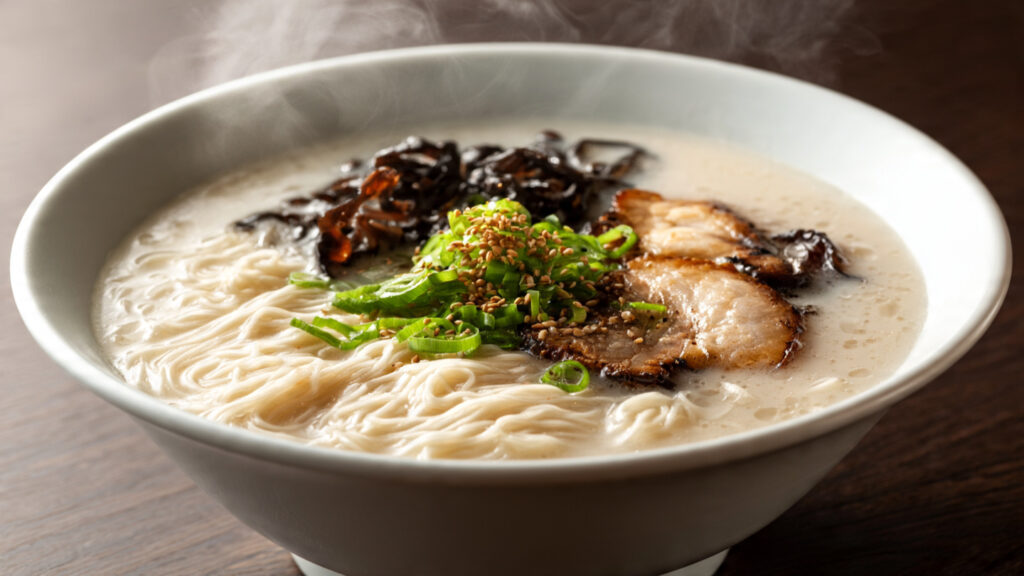
At the exact opposite end of the country lies Fukuoka city on the southern island of Kyushu. This city created the legendary Hakata Tonkotsu Ramen. This style is instantly recognizable by its pale, milky, opaque white broth. It boasts a deeply savory flavor and a distinctive gelatinous mouthfeel. Chefs achieve this unique texture through an intensive boiling process. They subject pork skull bones and trotters to a continuous, rolling boil for anywhere from 12 to 18 hours. This extreme heat breaks down the marrow and emulsifies the pork fats.
Unlike the thick, curly noodles of the north, Hakata style demands ultra-thin, straight wheat noodles. Because these noodles absorb liquid rapidly, chefs cook them quickly. This process leaves the center slightly firm. Customers can customize their noodle hardness using specific terms ranging from “futsuu” to “barikata.” To prevent the delicate noodles from overcooking in the hot soup, shops keep portions purposefully small. Hungry diners utilize the “kaedama” system, where they request a fresh refill of hot noodles.
The global epicentre for this style is the open-air food stalls, known as yatai, in Fukuoka. For a sit-down restaurant experience, Shin-Shin Ramen offers an exceptionally smooth tonkotsu broth. This shop appeals to both locals and international travelers. However, if you seek an uncompromisingly traditional, pungent profile, Hakkaidou stands as a historic bastion. Its broth contains thick natural collagens that coat your lips with every single spoonful.
3. Tokyo Shoyu Ramen: The Historic Clear Soy Sauce Classic
Tokyo Shoyu Ramen represents the historical archetype of modern Japanese noodle culture. It traces its lineage directly back to the early opening of Japan’s ports in the Meiji era. Therefore, this style relies heavily on clarity, balance, and clean flavors. These elements contrast sharply with the heavy fat profiles of northern regional styles. The broth is a sophisticated, clear amalgam. Chefs make it by simmering free-range chicken carcasses, dashi kelp, and katsuobushi. Then, they season this clear soup with a refined shoyu tare.
A classic Tokyo bowl delivers an intricate balance of naturally occurring amino acids. The natural glutamates of the sea kelp fuse with the properties of the dried fish to produce a clean flavor profile. Furthermore, the noodles used here are traditional medium-thick, wavy wheat noodles. These strands lift just enough of the aromatic clear soup with each bite. The topping layout remains strictly classical, featuring a slice of lean chashu pork, seasoned bamboo shoots, a soft-boiled egg, fresh scallions, nori, and a pink-swirled narutomaki fish cake.
Finding exceptional shoyu ramen in Tokyo is a journey through culinary history. For an old-school experience that mirrors the early twentieth century, Harukiya has served its unchanged recipe since 1949. If you prefer modern culinary evolution, Konjiki Hototogisu offers a contemporary variation. This shop incorporates a clear clam broth and black truffle oil. Consequently, it earned high critical acclaim within the international gastronomic community.
4. Kitakata Ramen: Hand-Wavy Noodle Traditions of Fukushima
Tucked away in the mountainous region of Fukushima Prefecture lies Kitakata. This small city boasts the highest number of ramen shops per capita in all of Japan. Kitakata Ramen is celebrated for its clean, comforting, and deeply satisfying soul-food characteristics. The broth is remarkably clean and translucent. Chefs craft it from a delicate combination of local pork bones, mountain spring water, and dried sardines. The flavor is lightly salty with a touch of sweetness, so locals comfortably consume it for breakfast.
The absolute star of any Kitakata bowl is the structural property of the noodles themselves. Known locally as “hirauchi jukusei momimen,” these are thick, flat, wide noodles that undergo an extensive aging process. Before placing them into the boiling water, the chef firmly hand-massages and wrinkles the noodles. This creates irregular waves and folds along each strand. When submerged in the clear soup, these hand-crimped ridges trap the broth. Thus, they provide a delightful textural variance and a soft, highly elastic chew.
To experience this hand-crafted tradition, you must visit the historic streets of Kitakata city. Bannai Shuten is the undeniable flagship temple of this style. It is famous for blanketing its entire bowl with a mosaic of tender pork belly slices. Another deeply revered local spot is Makoto Shuten. This shop opens its doors at seven in the morning to serve lines of workers and travelers seeking a clean morning bowl.
5. Wakayama Ramen: The Double-Broth Evolution in a Japanese Ramen Guide
Located south of Osaka, Wakayama Prefecture developed a highly specialized style of ramen. Locals traditionally refer to this style as “Chuka Soba.” Wakayama Ramen is famous among culinary experts because it reconciles two seemingly incompatible broth philosophies: clean soy sauce and heavy pork bone. The region contains two distinct variations. However, the dominant, internationally celebrated style is a hybrid known as the Ide-kei style. This method takes a rich tonkotsu pork bone soup and seasons it intensely with an aged, dark shoyu tare.
The resulting broth is a deep, dark brown, opaque soup. It carries the heavy richness of long-simmered pork marrow alongside the sharp, savory bite of premium soy sauce. Therefore, the flavor profile is deeply satisfying without feeling greasy. Chefs pair this intense soup with straight, medium-thin noodles. These strands resemble Hakata noodles but carry slightly more moisture to better balance the assertive soy flavor. A unique cultural tradition in Wakayama shops is the presence of “hayazushi” on the tables, which is pressed mackerel sushi wrapped in persimmon leaves.
The spiritual home of this hybrid style is Ide Shoten, a small shop in Wakayama City. This shop gained national fame after a major television broadcast voted it the best bowl in Japan. Their broth is incredibly sticky, rich, and deeply stained with local soy sauce. For those interested in the alternative historical lineage, Marushie offers the cleaner, non-emulsified shoyu version where the pork bones simmer gently.
6. Onomichi Ramen: Coastal Seafood Variations and Flavors
Onomichi Ramen originates from a picturesque port town nestled along the Seto Inland Sea in Hiroshima Prefecture. Reflecting its coastal geography, this regional style focuses heavily on local marine ingredients. The foundation of the soup relies on tiny, sweet dried dashi fish harvested directly from the surrounding inland waters. Chefs pair these with local chicken carcasses. This produces a clear, aromatic soup that they season with a robust local soy sauce tare to create a dark presentation.
The defining characteristic that separates Onomichi from other seafood styles is the floating addition of pork back fat. Large, un-emulsified fat cubes float elegantly on top of the clear, dark purple soup. When you take a bite, the clean, ocean-salty depth of the fish broth hits your palate first. Immediately after, you experience the sweet burst of melting pork fat. This coastal creation uses flat, medium-thin, firm wheat noodles that slide easily through the oil-slicked soup surface.
The most iconic location to experience this coastal masterwork is Shuyu Ramen-ya Ichibucho in Onomichi city. Their recipe balances the deep umami of dried fish with incredibly clean back-fat cubes. Another legendary destination is Tsutaya. At this shop, the broth leans heavier into the seafood side of the equation. As a result, it offers a deep, dark soup that captures the historical maritime essence of the Seto Inland Sea port town.
Key Differences Across Regional Ramen Styles: Your Quick Japanese Ramen Guide
The culinary variations across Japan are extensive, making a quick side-by-side comparison invaluable for understanding how these iconic styles contrast against one another.
| Regional Style | Primary Broth Base | Tare (Seasoning) | Noodle Architecture | Distinctive Topping Element |
| Sapporo | Pork Bone & Vegetable | Fermented Miso | Thick, Yellow, High-Wavy | Fresh Hokkaido Butter & Corn |
| Hakata | Long-Simmered Pork Skull | Sea Salt / Light Shoyu | Ultra-Thin, Straight, Firm | Pickled Red Ginger & Wood Ear |
| Tokyo | Chicken & Dried Bonito | Aged Shoyu (Soy) | Medium-Thick, Classic Wavy | Pink-Swirled Narutomaki Cake |
| Kitakata | Clean Pork & Sardine | Light Clean Shoyu | Flat, Wide, Hand-Crimped | Complete Layer of Pork Belly |
| Wakayama | Emulsified Pork & Bone | Dark Rich Shoyu | Medium-Thin, Straight | Sided with Mackerel Hayazushi |
| Onomichi | Local Inland Sea Fish | Deep Maritime Shoyu | Flat, Medium-Thin, Firm | Suspended Pork Back-Fat Chunks |
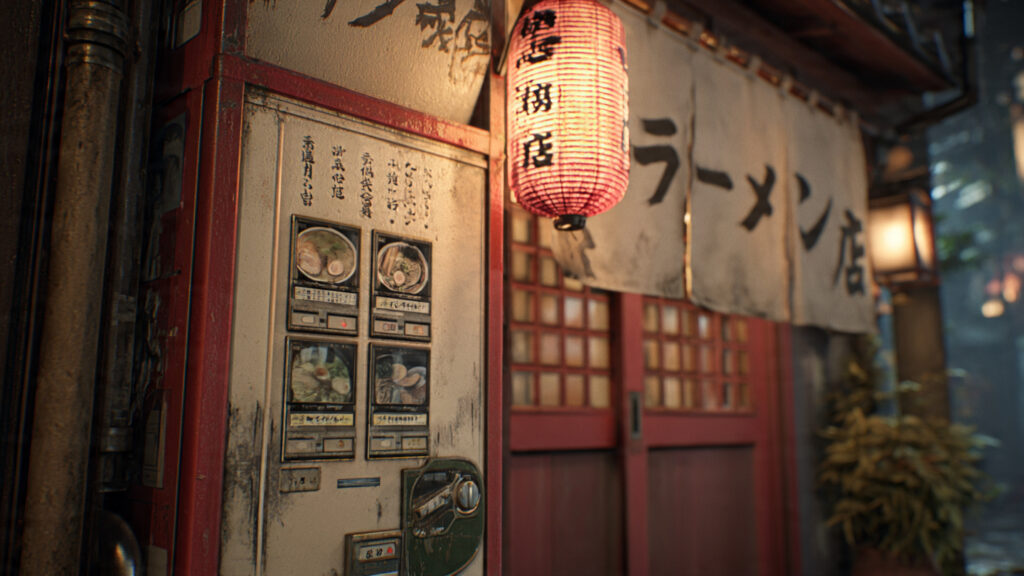
Expert Ordering Etribute: How to Navigate a Traditional Japanese Shop
Navigating an authentic Japanese ramen shop requires an understanding of local culinary customs to ensure a seamless experience.
- Master the Ticket Vending Machine: Most traditional shops utilize a ticket machine at the entrance. Insert your cash first, press the illuminated button corresponding to your desired bowl, and hand the printed ticket to the staff.
- The Art of Respectful Slurping: Slurping your noodles is not a sign of poor manners; it is a critical functional technique. Drawing air into your mouth along with the noodles cools them down instantly and aerosolizes the volatile aroma compounds, deepening the flavor experience.
- Do Not Linger Post-Meal: Traditional shops are high-turnover operations designed for fast dining. Once you finish your bowl, it is customary to place your empty bowl up on the high counter ledge, wipe your station with the provided cloth, and exit promptly for waiting customers.
- Manage Your Customizations Wisely: Only request extra noodles via the kaedama system when you have at least half of your hot broth remaining in the bowl, as extra noodles served without soup will ruin the texture.
References
- To explore comprehensive breakdowns of historical ramen shops and regional culinary classifications across Japan, visit the Ramen Guide Japan Database.
- For official seasonal travel updates, location maps, and regional food culture guides curated by the government tourism board, see the Japan National Tourism Organization.


