

Traveling for food has transformed from a niche hobby into a dominant global tourism trend. For the dedicated culinary traveler, a journey is not defined by monuments or museums. Instead, it is shaped entirely by the flavors discovered along the way. Food serves as a direct window into local history and culture. Consequently, it offers an authentic connection that words rarely capture. To help you plan your next delicious itinerary, this comprehensive guide explores the best food cities across the globe. Each featured destination has earned its reputation through unique traditions and exceptional ingredients. Whether you crave chaotic night markets or refined tasting menus, these destinations promise an unforgettable adventure.
The Evolution of Global Culinary Tourism
The concept of traveling exclusively for gastronomic experiences has evolved significantly over the past decade. In the past, culinary tourism was often associated strictly with luxury dining. For example, travelers focused on expensive wine tastings in European countrysides. Today, however, the definition has expanded dramatically to celebrate authenticity at every price point. Modern food tours place equal value on historic street food stalls and avant-garde kitchens. This shift has successfully democratized the entire food travel industry. As a result, destinations with rich, informal food cultures can now compete effectively on the global stage.
Modern travelers actively seek out regional specialties that tell a story of geographic migration. Therefore, the best food cities in the world are those that preserve heritage while fostering experimentation. Innovation and inclusivity are vital components of these modern culinary landscapes.
Tokyo Japan a Masterclass in Culinary Precision
Tokyo is consistently recognized by international critics as one of the best food cities on Earth. This status is due to an unparalleled commitment to execution and ingredient quality. Surprisingly, the Japanese capital boasts more Michelin stars than any other city. Yet, its legendary status extends far beyond high-end dining rooms. For instance, you can enjoy pristine sashimi at dawn or smoky yakitori in hidden alleyways. Tokyo offers an overwhelming spectrum of flavors for every budget.
The local food philosophy emphasizes strict seasonality and the perfection of a single craft. Consequently, a chef might spend a lifetime mastering nothing but ramen broth or tempura batter. This relentless pursuit of perfection ensures incredible quality everywhere. Even a casual meal purchased at a train station can rival sit-down dinners elsewhere. Visiting Tokyo allows culinary travelers to experience how deep cultural respect coexists beautifully with kitchen innovation.
Oaxaca Mexico the Heart of Traditional Mesoamerican Flavors
For those who wish to experience ancestral flavors, Oaxaca stands as an essential pilgrimage site. Indeed, the city is recognized by UNESCO for its immense cultural significance. Oaxacan gastronomy relies heavily on indigenous ingredients like heirloom corn, chilies, cacao, and wild agave. Furthermore, the city is famous for its seven distinct varieties of mole. This rich, multi-layered sauce requires days of meticulous preparation. Local cooks must balance dozens of unique ingredients to perfect the recipe.
Walking through the vibrant central markets exposes travelers to unforgettable scents. You will encounter freshly roasted tlayudas, bubbling pots of hot chocolate, and crunchy, lime-seasoned chapulines. Oaxaca earned its place among the best food cities because it fiercely protects its roots against modernization. Every single dish feels like an invitation to understand generational knowledge. Local cooks keep these complex traditions alive with immense pride.
San Sebastian Spain the Capital of Basque Gastronomy
Nestled on the coast of the Bay of Biscay, San Sebastian is a breathtaking coastal paradise. Despite its small size, it punches far above its weight in the international culinary scene. Specifically, the city is globally revered for introducing the world to pintxos. These bite-sized treats are the Basque country’s sophisticated answer to traditional tapas. Culinary travelers spend their evenings participating in lively bar crawls through the historic Old Town. They regularly sample small plates of spider crab, slow-cooked beef cheeks, and local sheep cheese.
These dishes are usually paired with effervescent local Txakoli wine. Beyond the casual tavern culture, San Sebastian harbors a staggering concentration of multi-star Michelin establishments. These kitchens pioneered the molecular gastronomy movement. The secret to the city’s success lies in its extraordinary natural pantry. Chefs have immediate access to fresh Atlantic seafood and fertile mountain produce. This seamless blend of casual social dining and elite experimentation makes it one of the absolute best food cities.
Bangkok Thailand an Explosion of Street Food Mastery
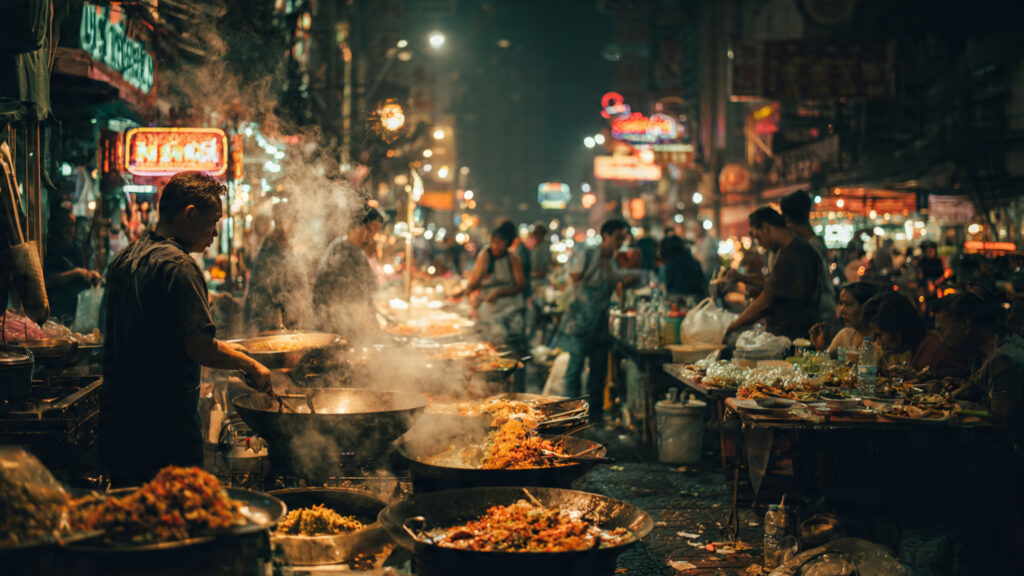
Bangkok presents a sensory overload of sights, sounds, and intense flavors. These unique elements solidify its status as a global culinary powerhouse. The city is a living canvas where sweet, sour, salty, and spicy elements work in absolute harmony. Therefore, visitors can navigate congested sidewalks to find legendary stir-fried noodles and aromatic green curries. They can also enjoy perfectly crispy pork belly prepared right before their eyes.
In recent years, Bangkok has also seen a dramatic rise in progressive fine dining. Young local chefs are actively reinterpreting royal Thai recipes using modern techniques. This dual identity creates a fascinating dining landscape for visitors. For example, an inexpensive meal from a roadside wok can be just as memorable as a twenty-course tasting menu. The sheer accessibility and relentless energy ensure that Bangkok remains a permanent fixture on our list.
Lyon France the Historic Gastronomic Capital
While Paris often captures the romantic imagination of travelers, Lyon holds a special distinction. It has long been considered the true gastronomic capital of France. The culinary identity of this historic city was shaped significantly by the “Mothers of Lyon.” This was a group of talented female cooks who left domestic service in the nineteenth century. They subsequently opened exceptional, no-nonsense restaurants for working people.
Today, this rich heritage lives on in the traditional local bouchons. These are cozy, wood-paneled bistros that serve hearty, soul-warming Lyonnais fare. Guests can enjoy regional sausages, savory duck pâté, and delicate pike dumplings drenched in crayfish sauce. Additionally, Lyon benefits immensely from its excellent geographic location. It is surrounded by the finest agricultural regions in France, including the vineyards of Beaujolais. Culinary travelers flock here to experience classic French cooking techniques stripped of pretension. It remains one of the best food cities for foundational gastronomy.
Essential Destinations for Street Food Lovers
When exploring the best food cities from a grassroots perspective, certain destinations stand out. These urban centers allow travelers to feast affordably while interacting directly with local vendors.
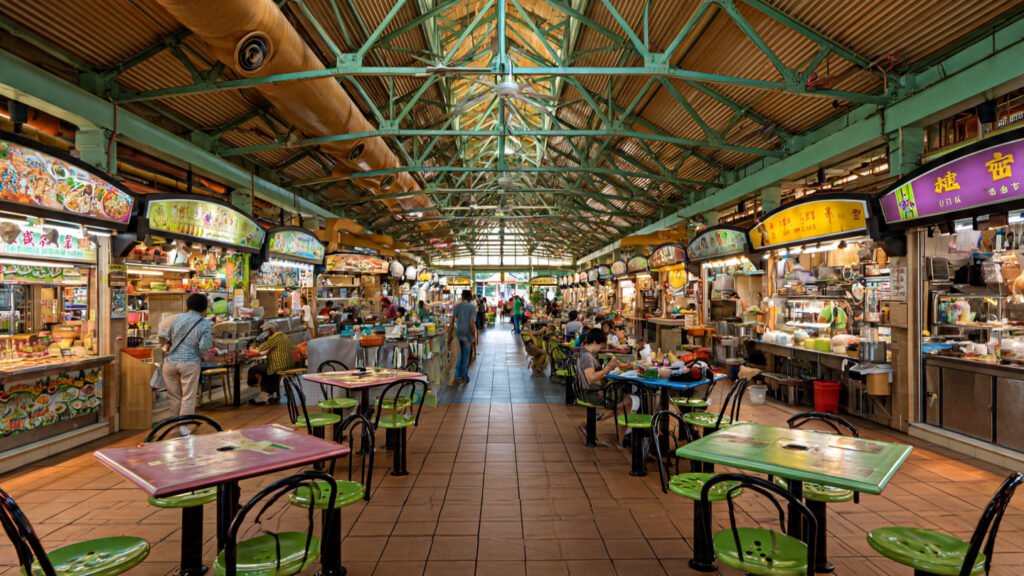
- Singapore: The pristine hawker centers of this city-state are legendary, offering safe, affordable access to world-class chicken rice, laksa, and chili crab.
- Istanbul, Turkey: Seamlessly bridging Asia and Europe, this historic city offers a continuous parade of street-side simit, roasted chestnuts, and freshly grilled mackerel sandwiches along the Bosphorus.
- Marrakesh, Morocco: As the sun sets, the central square of Jemaa el-Fnaa transforms into a massive open-air dining hall filled with the smoke of grilled meats and the aroma of spiced tagines.
- Palermo, Italy: The chaotic markets of Sicily’s capital serve up historic fried delicacies, chickpea fritters, and spleen sandwiches that reflect centuries of Mediterranean cross-cultural influences.
- Mumbai, India: The coastal metropolis is world-renowned for its fast-paced chaat culture, offering spicy pav bhaji and crispy vada pav to millions of residents daily.
- Ho Chi Minh City, Vietnam: Navigating the scooter-filled streets reveals countless low-stool plastic setups dedicated to perfect bowls of pho, crispy banh xeo, and fresh banh mi sandwiches.
Defining Elements of a World Class Culinary City
To understand why certain urban areas rise to global prominence, it helps to analyze their structural components. The best food cities do not achieve their status by accident. Instead, they require a delicate ecosystem of natural, cultural, and economic factors working in unison.
- Agricultural Proximity: Easy access to fertile farmland, clean coastal waters, or diverse microclimates ensures a steady stream of fresh, unadulterated ingredients.
- Cultural Diversity: Cities that historical served as trading hubs or immigration centers naturally develop complex, layered culinary identities through cultural synthesis.
- Generational Preservation: A community must possess a deep pride in its culinary history, passing down recipes and techniques through families and apprenticeships.
- Economic Support: Local governments and consumers must be willing to invest in food businesses, from preserving historic street markets to funding culinary education.
- Culinary Innovation: The presence of creative culinary incubators and forward-thinking chefs who are not afraid to break traditional rules to invent something entirely new.
- Consumer Curiosity: An adventurous local dining public that demands high quality, encourages experimentation, and actively supports independent food establishments.
Maximizing Your Culinary Travel Experience
To fully appreciate the best food cities, travelers should approach their journeys with curiosity. Thorough research is helpful, but leaving room for unplanned discoveries often results in the best memories. Therefore, you should engage respectfully with locals whenever possible. For instance, ask taxi drivers where they prefer to eat their lunch. Furthermore, try wandering into neighborhoods away from main tourist corridors.
It is also highly beneficial to take a localized cooking class early in your trip. Understanding the raw ingredients and basic techniques will naturally deepen your appreciation for every meal. By entering a new city with an open mind, you transform dining into something profound. It becomes a beautiful exploration of human creativity and connection.
References
- Michelin Guide Travel: A reliable international benchmark for fine dining ratings, restaurant inspector reviews, and global culinary trends across major continents.
- UNESCO Intangible Cultural Heritage: Official global registry documenting the preservation of traditional food cultures, ancestral cooking techniques, and historic food markets.


