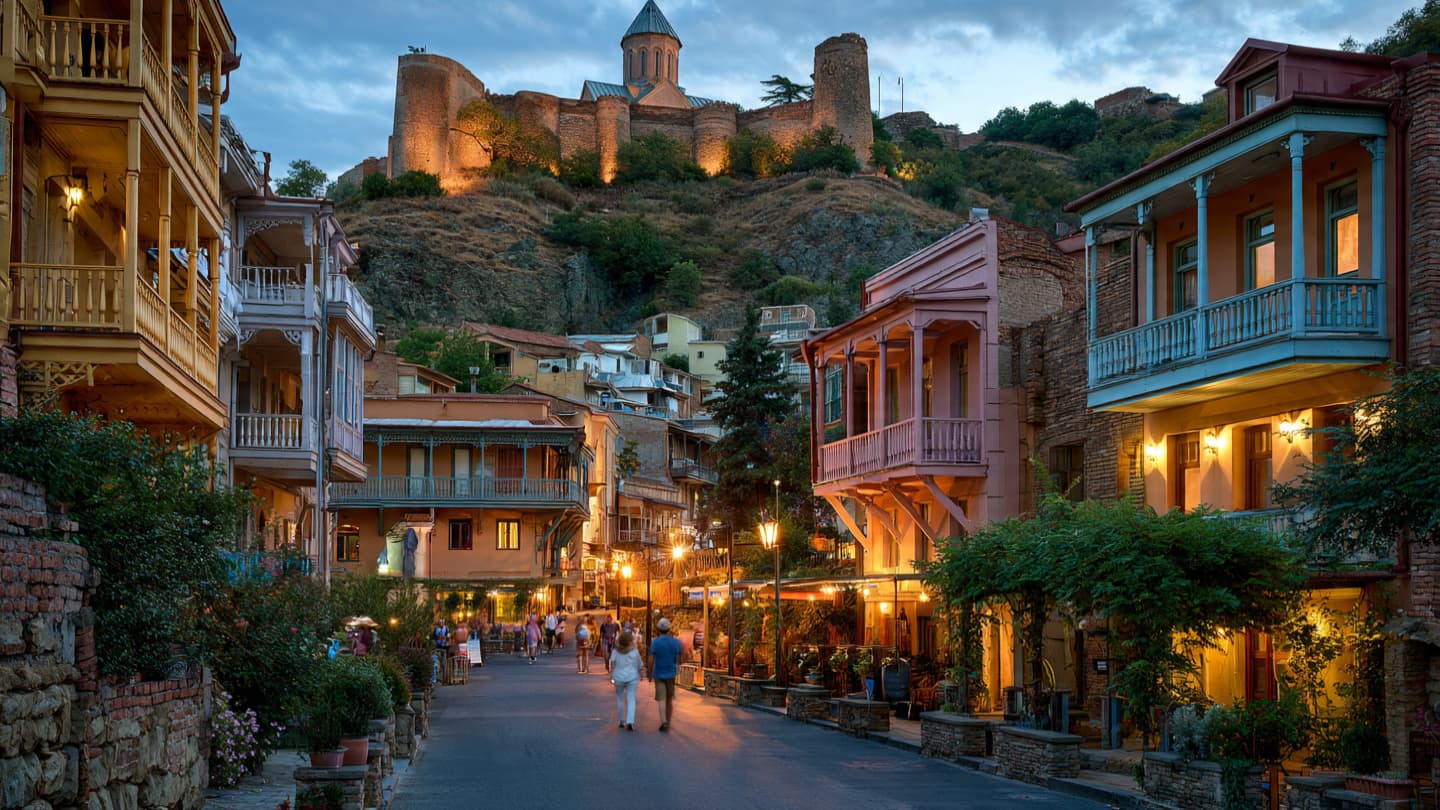
Solo travel Japan is not just a practical choice. It changes the entire way the country feels.
When you visit Japan with friends, a partner, or a tour group, the trip often becomes a shared schedule. You move from temple to market, from train platform to hotel lobby, from one dinner reservation to the next. It can still be wonderful, but part of your attention is always split. Someone is hungry. Someone wants one more photo. Someone is tired of walking. Someone thinks the next stop matters more than the quiet street you just found by accident.
When you travel alone in Japan, that noise disappears.
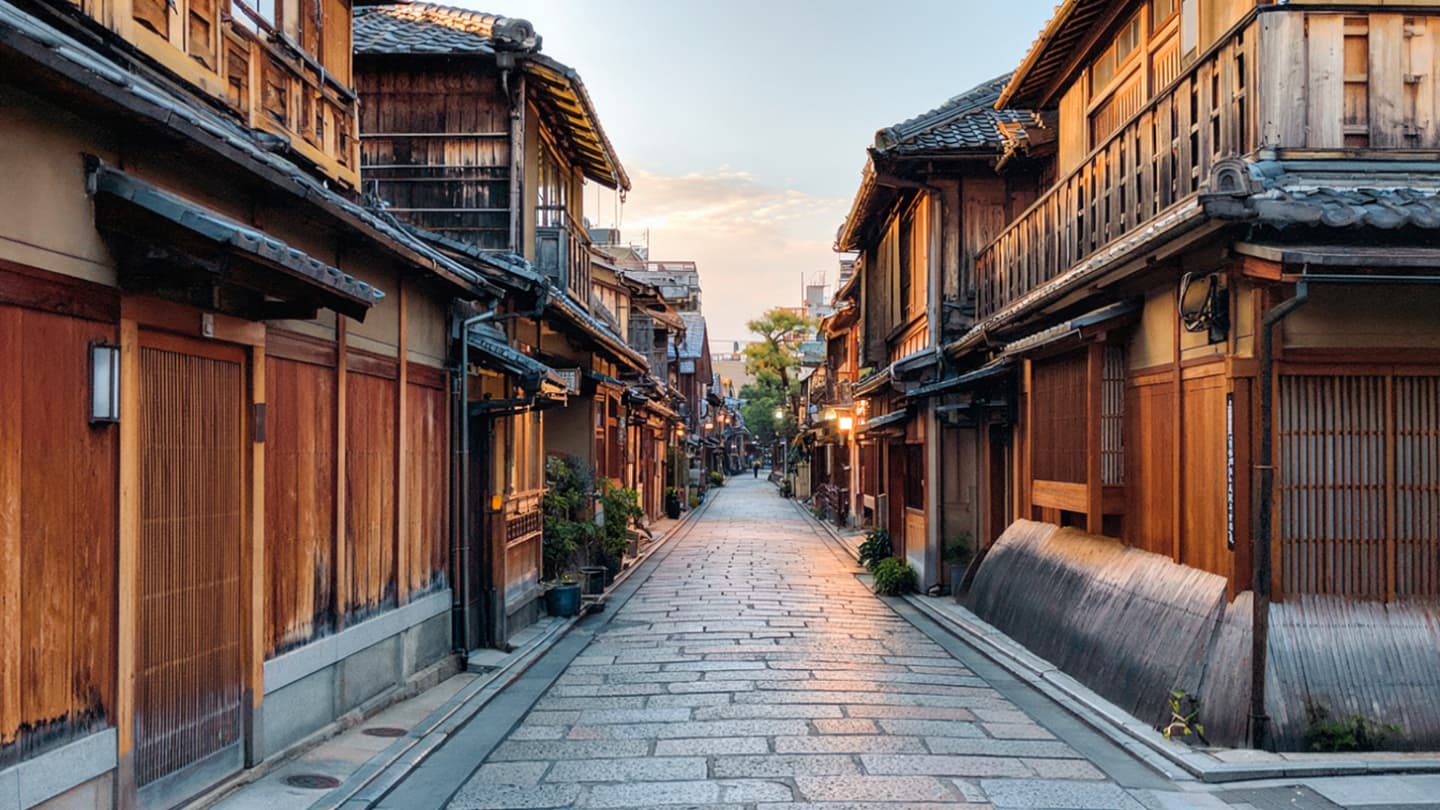
You start noticing smaller things. The sound of a train arriving exactly on time. The way a ramen chef places a bowl in front of you without needing a long explanation. The morning light on a Kyoto side street before the souvenir shops open. The tiny bow from a convenience store cashier after you buy nothing more dramatic than coffee and an egg sandwich.
Japan rewards attention, and solo travel gives you more of it. That is why the country often feels deeper, calmer, and strangely more personal when you go alone.
Why Solo Travel Japan Works So Well
Some countries are beautiful but exhausting for solo travelers. Japan is different because the country quietly supports independence.
Eating alone does not feel awkward. Public transportation is efficient and understandable once you learn the basics. Hotels, cafés, museums, gardens, and train stations all function well for one person. You rarely need to explain yourself. You can sit alone at a counter, walk alone through a park, or spend an hour inside a small shop without feeling unusual.
This is one of the biggest reasons solo travel Japan has become so popular. The country does not treat solitude as a problem. In many parts of daily life, being alone is completely normal.
That matters more than people realize. A solo trip becomes tiring when every small task requires confidence. In Japan, many of those small tasks are already designed to be smooth. Vending machines work. Train signs are clear in major cities. Convenience stores are everywhere. Many restaurants have counter seating. Capsule hotels, business hotels, and compact rooms make sense for one person.
Japan does not remove every challenge, but it removes enough friction that you can focus on the experience instead of constantly managing stress.
The Freedom to Travel at Your Own Pace
Japan is one of the best countries in the world for slow travel, but many visitors accidentally rush through it.
The classic first trip usually moves fast: Tokyo, Kyoto, Osaka, maybe Nara, maybe Hiroshima, then back home. There is nothing wrong with that route, but Japan becomes more interesting when you stop treating it like a checklist.
Solo travel lets you change speed without apologizing.
You can spend the morning in one neighborhood instead of crossing the city for another landmark. You can sit in a garden until the tour groups leave. You can skip a famous attraction because the local shopping street near your hotel feels more alive. You can take a slower train because the view from the window matters more than arriving twenty minutes earlier.
This kind of freedom suits Japan especially well. So much of the country’s beauty is quiet. A narrow alley in Kanazawa. A mossy temple path in Kyoto. A small coffee shop in Matsumoto. A rainy ferry ride in the Seto Inland Sea. These moments do not always look impressive on an itinerary, but they often become the memories that stay.
When you are alone, you do not have to convince anyone that a small moment is worth keeping.
Eating Alone in Japan Is Not a Backup Plan
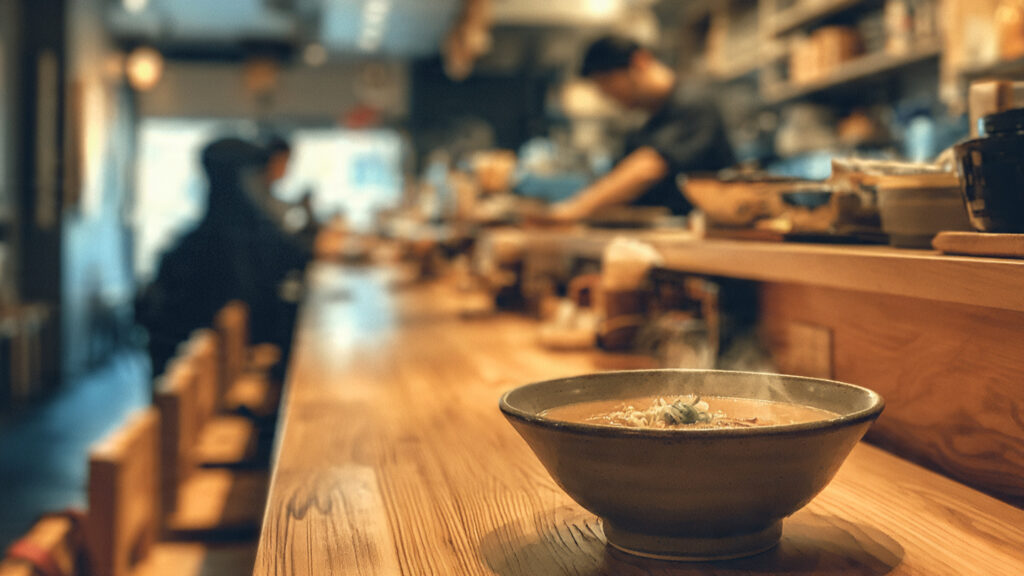
For many travelers, eating alone is the hardest part of solo travel. In Japan, it can become one of the best parts.
The country has countless food experiences that work beautifully for one person. Ramen counters, sushi bars, standing soba shops, curry restaurants, teishoku lunch spots, train station bento counters, depachika food halls, and convenience stores all make solo dining feel normal.
A bowl of ramen is often better alone. You sit down, order, listen to the kitchen, and focus on the food. There is no need to keep a conversation going. You notice the broth, the noodles, the steam, the rhythm of people coming and going.
Sushi can feel more personal too, especially at a small counter. The chef can adjust to your pace. You can watch the movement of hands, rice, fish, brush, and plate. Even when there is little conversation, the meal has a kind of quiet exchange.
And then there are the simple meals that become oddly memorable: an onigiri eaten on a station bench, hot canned coffee from a vending machine, a late-night FamilyMart sandwich after a long walk, or a bento on a train as the city turns into countryside.
Solo travel Japan reminds you that a meal does not need to be social to be meaningful.
Where to Go Alone in Japan
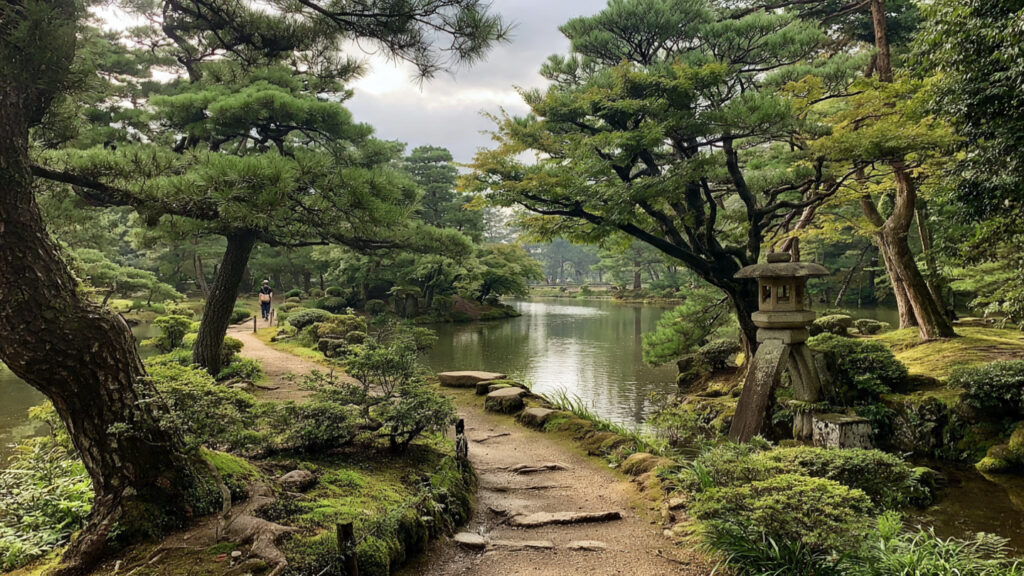
Tokyo and Kyoto are excellent for a first solo trip, but Japan becomes even better when you add places that create space for slower exploration.
Here are a few destinations that work especially well for solo travelers:
- Tokyo — Best for first-time solo travelers who want convenience, food, transport, nightlife, museums, shopping, and endless neighborhoods to explore without needing a fixed plan.
- Kyoto — Best for temples, gardens, early mornings, traditional streets, and quiet walks, especially if you avoid the busiest areas during peak hours.
- Kanazawa — Best for travelers who want Kyoto-like atmosphere with fewer crowds, including gardens, samurai districts, tea houses, seafood, and walkable streets.
- Matsumoto — Best for a calmer city break, mountain access, an original castle, independent cafés, and a more local pace.
- Naoshima — Best for art lovers who enjoy silence, architecture, sea views, and slow island days.
- Yakushima — Best for experienced solo travelers who want ancient forests, serious hiking, rain, solitude, and nature that feels far from urban Japan.
- Beppu — Best for hot springs, retro local atmosphere, sand baths, steam, and a side of Japan that feels less polished for tourists.
The best place depends on the kind of solo trip you want. Tokyo gives energy. Kyoto gives beauty. Kanazawa gives balance. Naoshima gives stillness. Yakushima gives intensity. A strong Japan solo trip often mixes one major city, one cultural city, and one slower destination where you can breathe.
The Best Moments Are Often Unplanned
A solo trip in Japan becomes special because you are more available to surprise.
You might get lost in a station and end up finding the best bakery of your trip. You might follow a quiet street behind a temple and discover a tiny shrine with no one else there. You might sit beside another solo traveler at a ramen counter and end up trading route ideas for the next hour.
Japan is organized, but the best travel moments are not always organized. Solo travel gives you the freedom to follow them.
This is also why you should avoid overplanning every hour. A good Japan itinerary needs structure, but it also needs empty space. Book the essentials: major hotels, long-distance transport when needed, special restaurants, and popular museums. Leave room around everything else.
One of the quiet pleasures of solo travel Japan is realizing that you do not need permission to change your day. If the weather is perfect, go to the garden. If it rains, stay longer in the museum. If a town feels better than expected, miss the next train on purpose.
A solo trip becomes richer when you let Japan interrupt your plan.
Practical Tips for Solo Travel Japan
Good planning makes solo travel in Japan easier, especially if it is your first time. The goal is not to control every detail. The goal is to remove small stress before it happens.
- Use an IC card for transport. Suica, PASMO, ICOCA, and visitor-friendly options make trains, buses, and small purchases much easier. Set one up early so you are not buying individual tickets every day.
- Stay near useful train stations. A cheaper hotel far from transport can waste time and energy. For solo travelers, location often matters more than room size.
- Choose restaurants with counter seating. Ramen shops, sushi counters, curry places, soba shops, and teishoku restaurants are usually comfortable for one person.
- Carry some cash. Japan is much more card-friendly than before, but smaller restaurants, temples, markets, local buses, and rural guesthouses may still prefer cash.
- Download offline tools. Keep offline maps, Japanese translation, hotel addresses, and train routes saved before long travel days.
- Book some stays in advance. Popular cities, ryokan, island stays, and autumn or cherry blossom travel periods can fill quickly.
- Learn basic etiquette. Simple habits like speaking softly on trains, not eating while walking in crowded areas, sorting trash carefully, and removing shoes when required will make your trip smoother.
The more comfortable you feel with the basics, the more confident you become when traveling alone.
Is Japan Safe for Solo Travelers?
Japan is widely seen as one of the easier countries for solo travelers, including first-timers and many solo female travelers. The transport system is reliable, public spaces are orderly, and violent crime is relatively rare compared with many major destinations.
Still, safe does not mean careless.
You should keep normal travel awareness, especially at night, around nightlife districts, or when drinking. Watch your belongings in crowded areas. Avoid following strangers into bars or clubs. Be careful with overly cheap nightlife offers in entertainment districts. Keep your hotel address saved in Japanese and English. Make sure someone you trust knows your general route if you are hiking or visiting rural areas.
For solo female travelers, Japan can feel comfortable because being alone in public is common. Women-only train cars, female-only capsule hotel floors, and women-only hostel dorms can also make the trip easier. But the same rule applies: trust your instincts, leave uncomfortable situations quickly, and do not worry about being polite when your safety matters.
Solo travel Japan is usually smooth, but confidence works best when paired with awareness.
What Japan Teaches You When You Travel Alone
A solo trip to Japan often changes how you notice ordinary things.
You start paying attention to care. The careful wrapping of a small purchase. The quiet order of a train platform. The way a shop owner arranges objects in a window. The way a meal can be simple but complete. The way public spaces can feel shared without being loud.
When you travel with other people, these details sometimes pass by as background. When you are alone, they have more room to land.
Japan can make you more patient. It can make you more observant. It can make you more comfortable with silence. It can also make you realize how rarely you move through the world without performing for someone else.
That is the emotional difference of solo travel Japan. You are not only seeing another country. You are seeing how you behave when no one familiar is watching.
For some travelers, that is peaceful. For others, it is uncomfortable at first. Either way, it is honest.
Why Solo Travel Japan Stays With You
Many people who travel Japan alone want to return. Not because they missed something, although they probably did. Japan is too layered for one trip. They return because the first solo trip creates a private relationship with the country.
You remember the train line you figured out by yourself. The meal you ordered from a machine without understanding every button. The temple you reached before anyone else arrived. The old street where you got lost but did not feel worried. The tiny hotel room that somehow felt like a safe little home for three nights.
These memories feel different because they belong only to you.
That is what makes solo travel Japan so powerful. The country is already beautiful, efficient, safe, and culturally rich. But when you go alone, it becomes more than a destination. It becomes a quiet conversation between you and your own attention.
And once Japan gives you that version of itself, it is very hard not to go back.
References
- Japan National Tourism Organization Official Travel Guide
https://www.japan.travel/en/
Official Japan travel resource with destination guides, transport information, etiquette advice, regional ideas, and practical planning details for international visitors. - Japan National Tourism Organization IC Travel Cards Guide
https://www.japan.travel/en/plan/ic-card/
Helpful official guide explaining how IC cards work across Japan for trains, buses, and everyday small purchases. - JR East Welcome Suica Information
https://www.jreast.co.jp/en/multi/welcomesuica/welcomesuica.html
Official JR East information about Welcome Suica, including how travelers can use it for trains, buses, shopping, and other payments. - Japan National Tourism Organization Ryokan Guide
https://www.japan.travel/en/guide/japanese-ryokan/
Official guide to staying in a Japanese ryokan, including customs, relaxation, onsen basics, yukata, and guest etiquette.