Long-haul flights can feel exciting at first, but after several hours in the air, the reality often sets in. Your body feels stiff, your sleep schedule becomes confused, your skin feels dry, and even simple things like eating, drinking, and resting can become uncomfortable. Learning how to survive a long-haul flight is not only about passing the time. It is about preparing your body, managing your comfort, and arriving at your destination feeling as fresh as possible.
A long-haul flight usually means spending six, eight, ten, or even more than twelve hours on a plane. During that time, you sit in a limited space, breathe dry cabin air, deal with changing time zones, and try to rest in an environment that was not exactly designed for deep sleep. The good news is that small choices before and during the flight can make a major difference.
This guide explains how to survive a long-haul flight in a practical and realistic way. You do not need luxury seats, expensive gear, or complicated routines. You need the right seat strategy, a smart carry-on setup, better hydration, movement, sleep planning, and a simple arrival routine. With the right approach, a long flight can become much more manageable.
Why Long-Haul Flights Feel So Exhausting
Long-haul flights are tiring because your body has to deal with several stress factors at the same time. You sit for many hours, often in a tight position, while your normal routine is interrupted. Cabin air is dry, meal times may not match your usual schedule, and the time zone at your destination may be very different from the one you left. These changes can make you feel dehydrated, stiff, bloated, sleepy, restless, or mentally drained.
The biggest challenge is that your body is not built to stay still for such a long period. When you sit for hours, your legs can feel heavy, your back may tighten, and your neck can become sore. The CDC recommends standing, walking occasionally, and doing simple leg movements during long travel to support circulation and reduce discomfort.
Another reason long flights feel difficult is the cabin environment. Airplane cabins have low humidity, which can dry your skin, throat, eyes, and nose. This dryness can also make fatigue feel worse, especially if you drink too much alcohol or caffeine. Mayo Clinic notes that staying hydrated before, during, and after flying can help reduce dehydration, which may worsen jet lag symptoms.
To survive a long-haul flight, it helps to think of the journey as a physical and mental endurance event. You are not simply sitting on a plane. You are managing your body through restricted movement, dry air, noise, light changes, and schedule disruption. Once you understand that, your preparation becomes more intentional.
Choose the Right Seat Before You Fly
Your seat can strongly affect how comfortable your long-haul flight feels. A window seat is better if you want to sleep because you can lean against the wall and avoid being disturbed by passengers who need to get out. An aisle seat is better if you want easier access to the bathroom, more freedom to stretch, and less awkwardness when you need to stand up. The best choice depends on your personal travel style.
If you know you need to move often, choose an aisle seat. This is especially useful on flights longer than eight hours because you can walk, stretch, and use the bathroom without disturbing others. If sleep matters more, choose a window seat and build your setup around rest. Avoid middle seats when possible because they give you the least control over movement and personal space.
Seat location also matters. Seats near the bathroom may give you easier access, but they can also be noisy because people gather nearby. Seats near the galley may have more activity from the crew during meal service. Exit row seats can offer extra legroom, but they sometimes have fixed armrests or limited under-seat storage. Always check the aircraft seat map before selecting your seat.
To survive a long-haul flight, do not leave seat selection until the last minute. Even a small upgrade in location can make a long journey feel easier. A good seat will not solve every problem, but it gives you a stronger foundation for sleeping, stretching, eating, and managing your personal space.
Pack a Smart Carry-On for Comfort
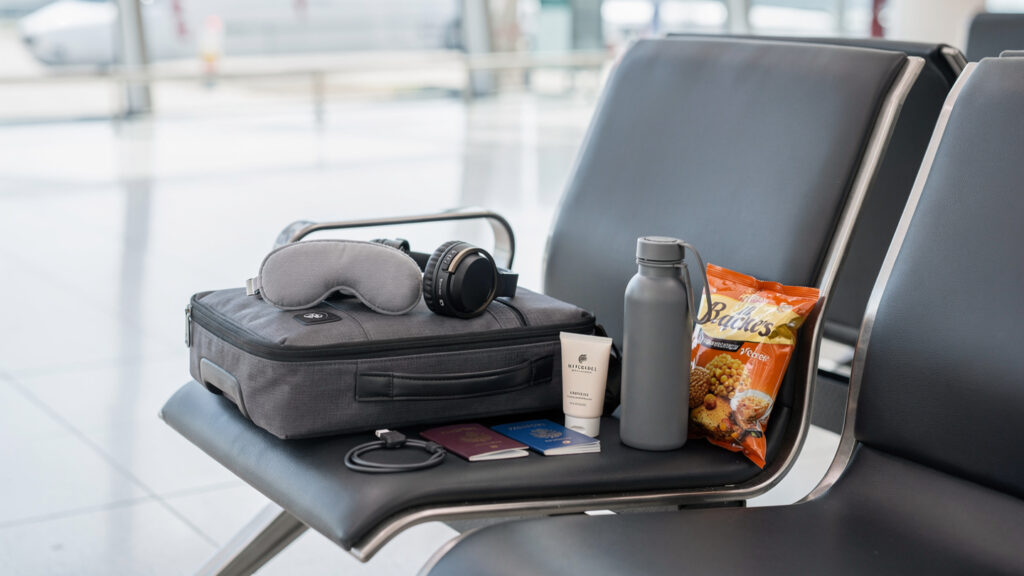
A smart carry-on can turn a difficult flight into a much more comfortable one. The goal is not to pack everything you own. The goal is to keep the items you actually need within easy reach. Once your main bag goes into the overhead bin, you may not want to stand up repeatedly to get small things, especially during meal service or when other passengers are sleeping.
Your personal item should include comfort, hygiene, entertainment, and health basics. A neck pillow, eye mask, earplugs or noise-canceling headphones, lip balm, moisturizer, tissues, hand sanitizer, and a refillable water bottle can make a big difference. You should also pack any medication you may need, plus a few simple snacks in case the airline meal does not suit you.
Wear layers instead of relying on the airline blanket. Cabin temperature can change during the flight, and you may feel warm during boarding but cold later in the air. A light jacket, hoodie, or large scarf can help you adjust without feeling trapped or uncomfortable. Comfortable socks are also useful if your feet get cold, but keep your shoes nearby in case you need to walk around.
The best way to survive a long-haul flight is to reduce small sources of irritation before they build up. Dry lips, dead headphones, cold feet, bright cabin lights, and noisy surroundings may seem minor at first. After ten hours, they can become exhausting. A simple comfort kit helps you stay in control.
What to Do Before Boarding
Good long-haul flight comfort starts before you get on the plane. What you do in the hours before departure can affect your energy, digestion, sleep, and stress level during the flight.
- Check in early and confirm your seat. Do not wait until the airport if seat choice matters to you. Try to secure a window or aisle seat based on your comfort needs.
- Eat a balanced meal before flying. Choose something filling but not too heavy. Very greasy or salty food can make you feel bloated during the flight.
- Drink water before boarding. Starting the flight already dehydrated makes the cabin environment feel worse.
- Charge your devices. Bring a power bank if allowed by airline rules, and download music, movies, podcasts, or books before boarding.
- Dress for comfort. Choose breathable clothing, soft layers, and shoes that are easy to remove and put back on.
- Organize your personal item. Keep your passport, headphones, water bottle, moisturizer, medication, and sleep items easy to reach.
- Move around before boarding. Walk through the terminal and stretch lightly before sitting for many hours.
Before boarding is also the right time to mentally switch into travel mode. Long-haul flights are easier when you do not rush into them stressed, hungry, thirsty, or disorganized. Give yourself enough time at the airport so you are not carrying unnecessary tension onto the plane.
Stay Hydrated Without Overdoing It
Hydration is one of the simplest ways to feel better during a long flight. Cabin air is dry, and dehydration can make your headache, fatigue, dry throat, and jet lag feel worse. Drinking water regularly before, during, and after the flight is a practical habit that supports your overall comfort. Mayo Clinic recommends drinking plenty of water and limiting alcohol and caffeine because they can contribute to dehydration and affect sleep.
You do not need to drink a huge amount of water all at once. In fact, drinking too much too quickly may only make you uncomfortable and send you to the bathroom repeatedly. A better approach is to sip water throughout the flight. Keep a refillable bottle with you and ask the cabin crew for water when needed.
Alcohol may feel relaxing at first, but it often makes long-haul flights harder. It can dry you out, reduce sleep quality, and leave you feeling worse when you land. Caffeine can be useful if you need to stay awake, but drinking it at the wrong time can make it harder to sleep on board or adjust to the new time zone.
To survive a long-haul flight, think of hydration as a steady rhythm. Drink water regularly, use lip balm and moisturizer when needed, and avoid relying on wine, coffee, or soda as your main drinks. Small habits repeated over several hours work better than one big correction near the end of the flight.
Move Your Body During the Flight
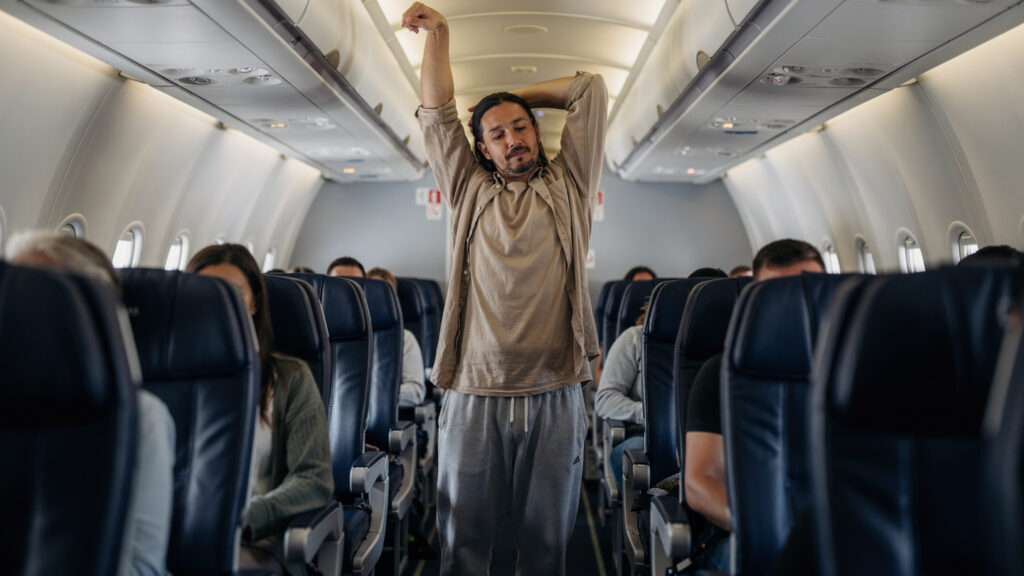
Movement is essential on long-haul flights. Sitting still for many hours can make your legs, hips, back, and shoulders feel tight. It can also affect circulation. The CDC advises travelers on long trips to stand, walk occasionally, and exercise calf muscles while seated, such as raising and lowering heels or toes.
You do not need to do anything dramatic. A short walk down the aisle every few hours can help. When the seatbelt sign is off, stand up carefully, stretch your legs, roll your shoulders, and take a slow walk if the aisle is clear. If you are in a window seat and do not want to disturb others often, do seated movements more regularly.
Simple seated exercises can help you feel less stiff. Raise your heels while keeping your toes on the floor, then raise your toes while keeping your heels down. Rotate your ankles, gently tighten and release your calf muscles, and adjust your sitting position from time to time. These small movements are easy to do without bothering anyone around you.
The key is consistency. Many travelers wait until they are already uncomfortable before moving. A better strategy is to move before stiffness becomes a problem. If you want to survive a long-haul flight with less pain and fatigue, treat movement as part of your flight routine, not as an optional extra.
Sleep Strategically, Not Randomly
Sleeping on a plane is not easy, but a smart sleep strategy can help. The mistake many travelers make is trying to sleep without considering the destination time zone. This can make jet lag worse. A better approach is to plan your sleep around when you need to be awake after arrival.
Before the flight, check the time at your destination. If you are arriving in the morning, try to sleep during the second half of the flight so you land with enough energy to stay awake during the day. If you are arriving at night, avoid sleeping too much near the end of the flight so you can sleep after reaching your hotel. Mayo Clinic suggests setting your watch or phone to the new time and trying to follow the destination schedule for sleep and meals.
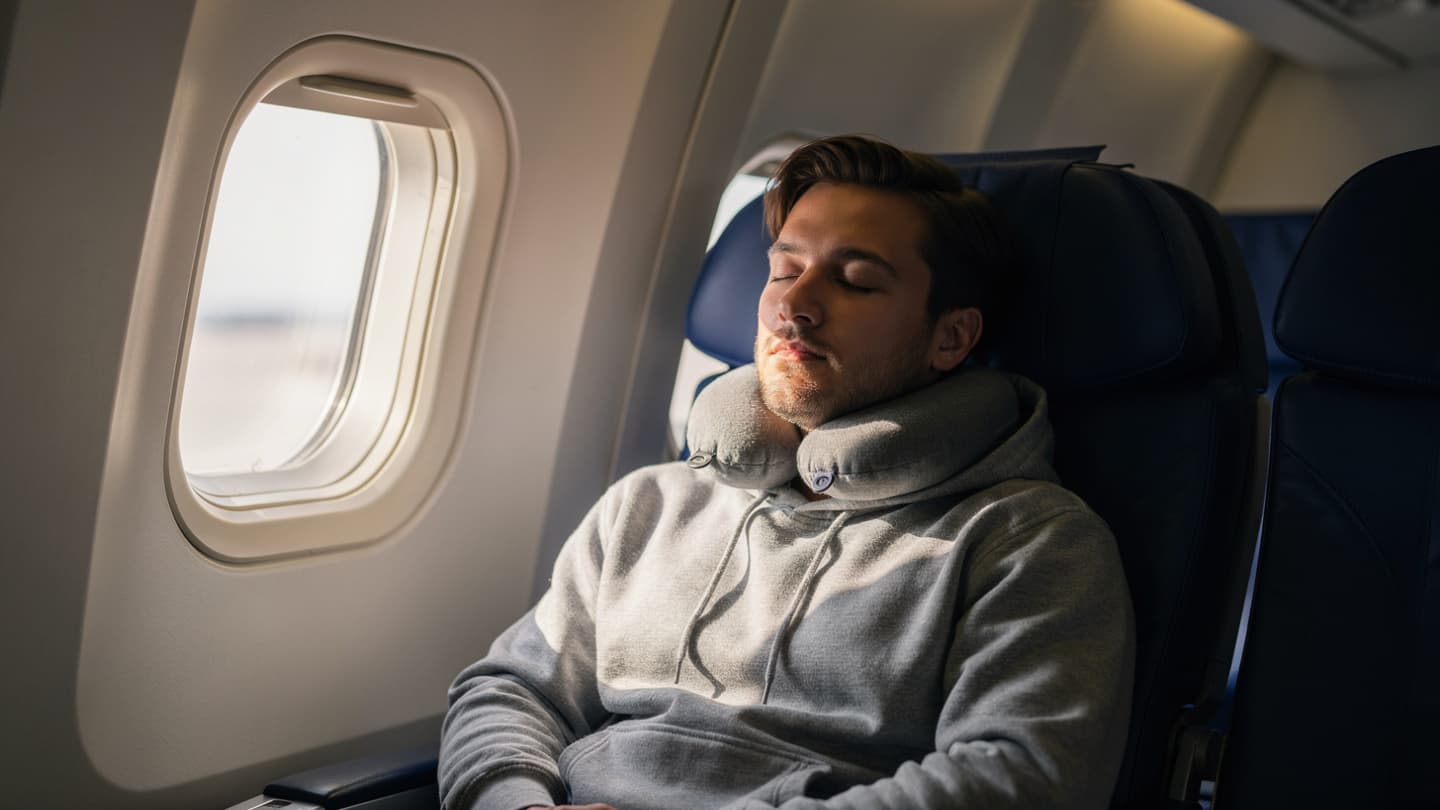
Your sleep environment matters. Use an eye mask to block cabin lights, earplugs or noise-canceling headphones to reduce sound, and a neck pillow to support your head. Recline your seat politely when appropriate, fasten your seatbelt over your blanket so the crew does not need to wake you, and avoid bright screens before trying to sleep.
To survive a long-haul flight, do not expect perfect sleep. Even a few short rest periods can help. The goal is not to recreate your bedroom in the sky. The goal is to protect enough energy so you can function when you land.
Eat Light and Time Your Meals Well
Food can affect how you feel during a long-haul flight more than many travelers expect. Heavy meals, too much salt, and irregular eating can make you feel bloated, thirsty, and sluggish. Airline meals are convenient, but they are not always timed perfectly for your body or destination schedule.
Try to eat a proper meal before boarding so you are not completely dependent on the first in-flight meal. During the flight, eat enough to stay comfortable, but avoid overeating out of boredom. If the airline meal is too heavy, eat the lighter parts and save your snacks for later. Good snacks include nuts, fruit, crackers, granola bars, or other simple foods that travel well.
Meal timing can also support jet lag adjustment. If possible, start eating closer to the destination’s meal schedule. This helps your body understand the new routine. You do not need to force it perfectly, but small adjustments can make arrival easier.
A good food strategy helps you survive a long-haul flight without feeling heavy or uncomfortable. Eat simply, avoid too much alcohol, drink water, and bring backup snacks. Your stomach will thank you when you land.
Long-Haul Flight Essentials Checklist
Packing the right essentials can make the difference between a stressful flight and a manageable one. You do not need to bring too much, but you should bring items that solve common long-flight problems.
- Neck pillow for better head and neck support
- Eye mask to block cabin lights
- Earplugs or noise-canceling headphones for rest and focus
- Refillable water bottle to support hydration
- Lip balm and moisturizer for dry cabin air
- Hand sanitizer and tissues for basic hygiene
- Comfortable socks to keep your feet warm
- Light jacket or scarf for changing cabin temperature
- Healthy snacks in case meals are delayed or unsuitable
- Chargers and power bank for phones, tablets, or headphones
- Downloaded entertainment such as movies, podcasts, playlists, or books
- Medication and basic personal care items kept in your personal bag
The best carry-on setup is simple, compact, and easy to reach. Put your most important items in a small pouch so you do not need to search through your bag in the dark. This is especially helpful when the cabin lights are off or when your seatmates are sleeping.
Manage Jet Lag Before You Land
Jet lag happens when your internal body clock does not match the local time at your destination. It can cause tiredness, trouble sleeping, poor concentration, digestive discomfort, and general irritability. Long-haul flights across several time zones increase the chance of jet lag, especially when you travel east.
One of the best ways to manage jet lag is to start adjusting before you land. Set your phone or watch to the destination time once you board. Then use that time as your guide for sleeping, eating, and caffeine. If it is nighttime at your destination, try to rest. If it is daytime there, try to stay awake or only take a short nap.
Light exposure is another important tool. Mayo Clinic explains that exposure to light can help your body adjust to a new time zone, and the timing of light exposure depends on your direction of travel and destination. After arrival, getting natural daylight at the right time can help reset your body clock.
To survive a long-haul flight and reduce jet lag, do not treat landing as the end of the journey. The first day after arrival matters. Try to follow local time, avoid a long daytime nap, eat at normal local meal times, and get outside if possible. Even a gentle walk in daylight can help your body adapt.
Stay Comfortable Without Annoying Other Passengers
Comfort matters, but so does courtesy. Long-haul flights are shared spaces, and small habits can affect the people around you. Being considerate helps create a better experience for everyone, including yourself.
Recline your seat slowly and avoid doing it during meal service. Keep your belongings within your own space. Use headphones instead of playing sound out loud. If you are in a window or middle seat, try to plan bathroom breaks when your seatmates are already awake or when meal service has ended. If you are in an aisle seat, be patient when others need to get out.
Personal hygiene is also important. Use deodorant, brush your teeth or use mouthwash if needed, and keep strong-smelling food to a minimum. A long-haul flight can already feel crowded, so small acts of consideration make the cabin more pleasant.
To survive a long-haul flight, remember that comfort and respect can work together. You can stretch, sleep, eat, and relax without taking over the shared space. A calm and considerate approach makes the journey easier for you and the people around you.
Refresh Yourself Before Arrival
The final hour of a long-haul flight is the best time to reset. Instead of waiting until you land, use this time to prepare your body and mind for arrival. Wash your face or use a facial wipe, apply moisturizer, brush your teeth, change your shirt if needed, and organize your documents. These small actions can make you feel much more human after many hours in the air.
Drink some water before landing, but avoid drinking too much if you know immigration lines will be long. Stretch your legs gently, put your shoes back on, and pack your items before the cabin becomes busy. Check your seat pocket carefully so you do not leave behind your phone, passport, headphones, or charging cable.
Mentally prepare for the next step of your trip. Know where you are going after landing, whether that is immigration, baggage claim, a train station, a taxi stand, or a hotel transfer. Long flights can make simple decisions feel harder, so having a plan reduces stress.
A good arrival routine helps you survive a long-haul flight with a smoother transition. You may still feel tired, but you will feel more organized, cleaner, and ready to move through the airport with less confusion.
The best way to survive a long-haul flight is to prepare early and manage your comfort step by step. Choose your seat carefully, pack useful essentials, stay hydrated, move regularly, sleep with a plan, eat lightly, and start adjusting to your destination before you land. None of these actions are complicated, but together they can make a long journey much easier.
A long-haul flight may never feel completely effortless, especially in economy class, but it does not have to feel miserable. With the right habits, you can reduce stiffness, dryness, fatigue, and jet lag. You can arrive feeling more prepared instead of completely drained.
Whether you are flying for work, vacation, family, or a major life move, your flight experience affects the first day of your trip. Treat the journey as part of the travel plan, not just something to endure. When you know how to survive a long-haul flight, you give yourself a better chance to start your destination experience well.
References
- CDC Travelers’ Health: The CDC recommends movement, walking when possible, and seated leg exercises during long travel to support circulation.
- Mayo Clinic: Mayo Clinic explains that hydration, limiting alcohol and caffeine, and adjusting to the destination schedule can help reduce jet lag symptoms.