
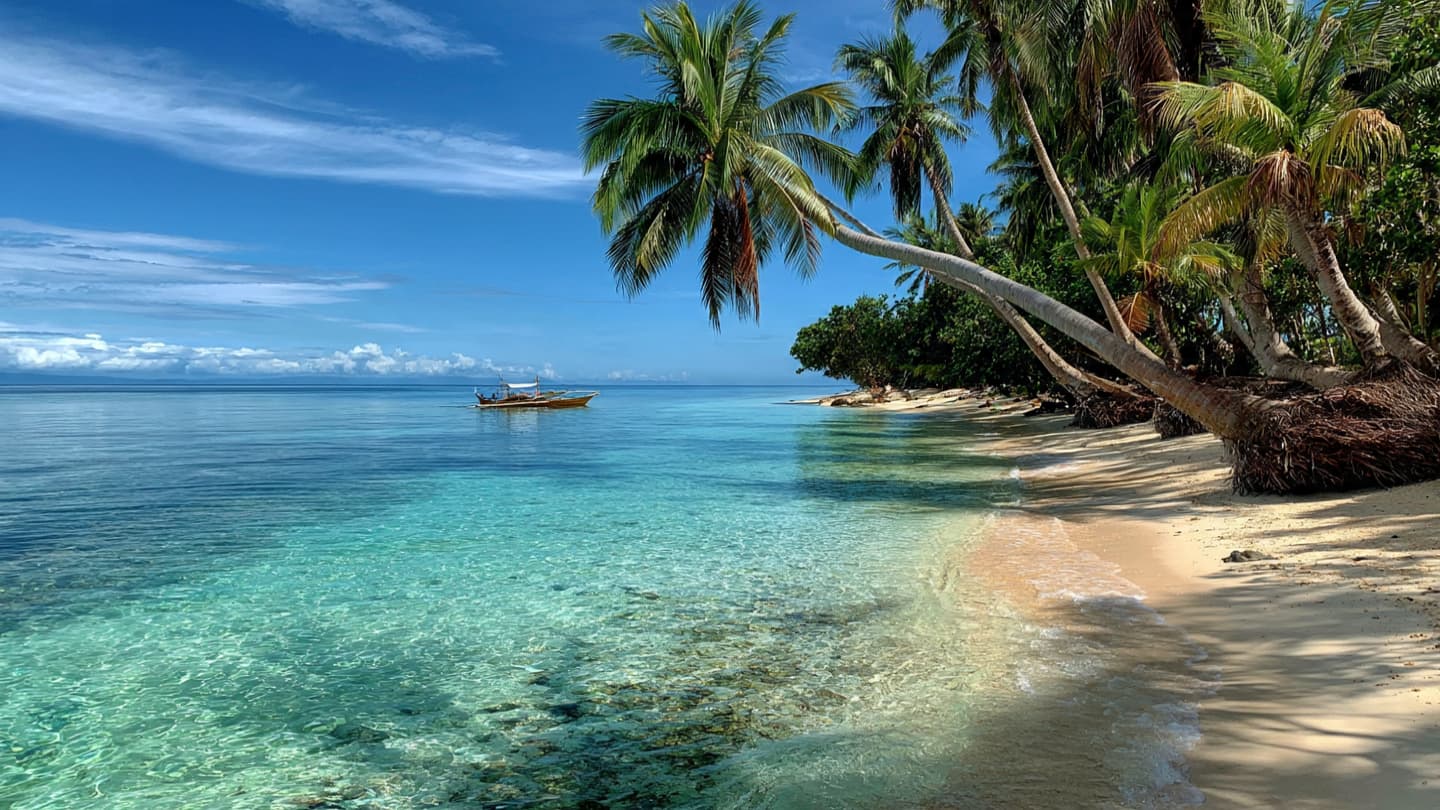
The Philippines has more than 7,000 islands, yet many travelers still end up chasing the same familiar names. Boracay, El Nido, Coron, and Siargao are beautiful for a reason. They deserve attention. But they are only one version of the country’s beach life.
Ask a local where they actually swim on a free afternoon, and the answer often changes completely. It may be a quiet cove behind a fishing village, a wide stretch of sand reached by motorcycle, or a simple beach where families bring rice, grilled fish, and a cooler full of drinks. These places rarely look like polished resort brochures, but they often feel more honest.
This guide is about the hidden beaches Philippines locals still love — not because they are secret in a dramatic way, but because they remain part of everyday island life. They are peaceful, community-based, and often more memorable than the beaches everyone has already posted online.
What Makes a Beach Feel Local in the Philippines
A local beach in the Philippines is not always remote. Some are close to cities. Others sit near small towns, ports, or barangays where people have been swimming for generations. What makes them feel local is the way they are used.
You may not find a large resort entrance, English-language signs, or a row of beachfront cocktail bars. Instead, you may find bamboo huts, sari-sari stores, fishing boats, children playing in the shallows, and families setting up lunch under coconut trees.
These beaches are not built around visitors. They are shared community spaces first. That is why they feel different. You do not arrive as a customer being processed through a tourism system. You arrive as a guest in a place that already has its own rhythm.
That is the real charm of hidden beaches Philippines locals recommend. They are not trying too hard to impress anyone. They simply exist, quietly and beautifully.
Camotes Island, Cebu: A Slower Side of the Visayas
Most visitors who land in Cebu head toward Moalboal, Malapascua, or Oslob. Camotes Island receives far less attention, which is part of its appeal. It sits in the Camotes Sea and moves at a calmer pace than Cebu’s more famous beach destinations.
Santiago Bay is one of the island’s easiest beaches to love. The sand is pale, the water is shallow and clear, and the shoreline still feels relaxed. Local families come here for simple meals, long swims, and quiet afternoons. You can eat grilled seafood at a small local eatery, sit under a hut, and watch the tide slowly change the shape of the bay.
Camotes does not feel empty or undeveloped in a lonely way. It feels lived in. That is what makes it special. It gives you the beach without the performance of beach tourism.
Jomalig Island, Quezon: Golden Sand for Patient Travelers
Jomalig Island is not the kind of place you visit by accident. Reaching it takes effort, usually involving a long boat ride from Real, Quezon. The journey can be tiring, especially when the sea is rough, but that difficulty has helped protect the island from mass tourism.
The reward is Salibungot Beach, known for its warm golden sand and wide open coastline. The beach feels different from the classic white-sand image many travelers expect from the Philippines. It has a softer, earthier beauty, with long stretches of shore and a peaceful horizon that makes the trip feel worthwhile.
Accommodation is simple. Many travelers stay in local homestays rather than large hotels. Meals are often basic, fresh, and connected to what the community has available. This is not the place for luxury convenience, but it is the place for travelers who want to slow down and feel far away from the usual route.
Jomalig is one of the best examples of hidden beaches in the Philippines locals value because it asks something from you before it gives anything back.
Subic’s Quiet Coves: A Different Kind of Beach Escape
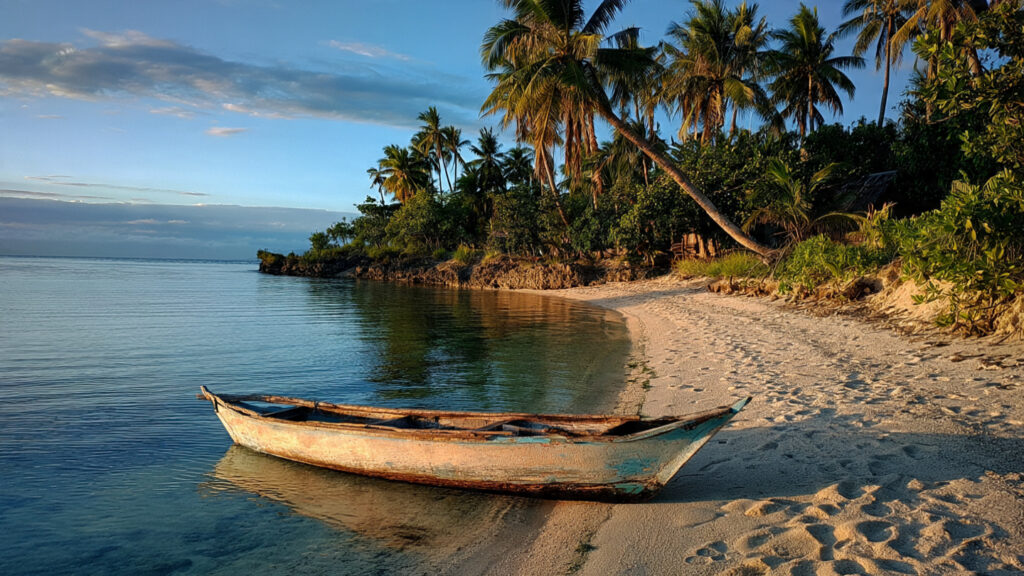
Subic is often associated with history, shopping, family attractions, and quick trips from Manila. But beyond the busier areas, there are quieter coves and coastal corners that many families from Luzon have visited for years.
These beaches are not always dramatic. Some are small, simple, and better suited for a picnic than a travel magazine cover. But that is exactly why they matter. They show how Filipinos often enjoy the coast: not as a luxury escape, but as a shared weekend habit.
You may see families bringing food from home, children looking for shells, and older relatives sitting in the shade while everyone else swims. There is something deeply familiar about these places. They are not trying to compete with Palawan or Boracay. They serve a different purpose.
For travelers coming from Manila, Subic’s lesser-known coves can be a good reminder that a beach does not need to be famous to feel restorative.
Local Favorites Worth Adding to Your Philippines Beach List
Some beaches are not completely unknown, but they still hold strong local appeal. They may appear online, but they have not lost their everyday Filipino beach atmosphere.
- Bantayan Island, Cebu — A favorite for many Cebuano travelers, especially for long weekends and holidays. The beaches are calm, the seafood is fresh, and the island still feels slower than many major resort destinations.
- Masasa Beach, Tingloy, Batangas — Popular with budget travelers and local groups from Batangas and Manila. It is reached by boat and remains simple, with fewer comforts than a developed resort area.
- Pagudpud, Ilocos Norte — Saud Beach and Blue Lagoon are both known, but the area still attracts many local travelers looking for a northern beach escape with wide views and a more provincial feel.
- Nacpan Beach, Palawan — It is no longer a true secret, but compared with El Nido’s island-hopping stops, it can still feel more open and relaxed, especially away from peak hours.
- Talisay and nearby Batangas shores — These beach areas are practical, accessible, and loved by local families who want a quick coastal break without flying to another island.
The best way to approach these places is not to expect total isolation. Instead, look for local life. A beach with families, food stalls, fishing boats, and children swimming after school can be more memorable than an empty beach built only for tourists.
How to Find Hidden Beaches in the Philippines Like a Local
The best local beach recommendations usually do not come from hotel brochures. They come from conversation. In the Philippines, asking kindly can open doors to places you would never find through a normal travel search.
- Ask at the local market. Fish vendors, fruit sellers, and small eatery owners often know the best nearby swimming spots because their families actually use them.
- Talk to tricycle or habal-habal drivers. Local drivers know back roads, quiet coves, and beaches that visitors often miss.
- Stay in family-run guesthouses. Owners often share more personal recommendations than large hotels because they know the surrounding barangays well.
- Check local Facebook groups. Many Filipino communities share beach tips, road conditions, boat schedules, and safety updates online.
- Visit during local quiet hours. Early mornings and weekdays often show a beach at its most peaceful.
Finding hidden beaches Philippines locals love is less about chasing secrecy and more about listening. Be respectful, ask well, and avoid treating someone’s home beach like content to be extracted.
What to Know Before Visiting Local Beaches
Local beaches often have fewer facilities than tourist beaches. That means you may not find lifeguards, proper toilets, trash bins, card payment, or organized transport. A little preparation makes the experience much better.
Bring cash, drinking water, reef-safe sunscreen, a dry bag, and your own trash bag. Wear footwear if you need to walk over rocks, coral fragments, or rough paths. Check boat schedules carefully, especially on smaller islands where return trips may depend on weather and demand.
It is also important to respect local beach culture. Many of these beaches are used by families and nearby communities. Keep noise reasonable, dress with awareness of the setting, and avoid flying drones near homes or fishing areas without permission.
One of the easiest ways to show respect is to spend locally. Buy snacks from the sari-sari store. Eat at the small carinderia. Hire a local guide or driver when needed. These small choices help communities benefit from visitors without turning the beach into a fully commercialized destination.
The Real Reason Some Beaches Stay Hidden
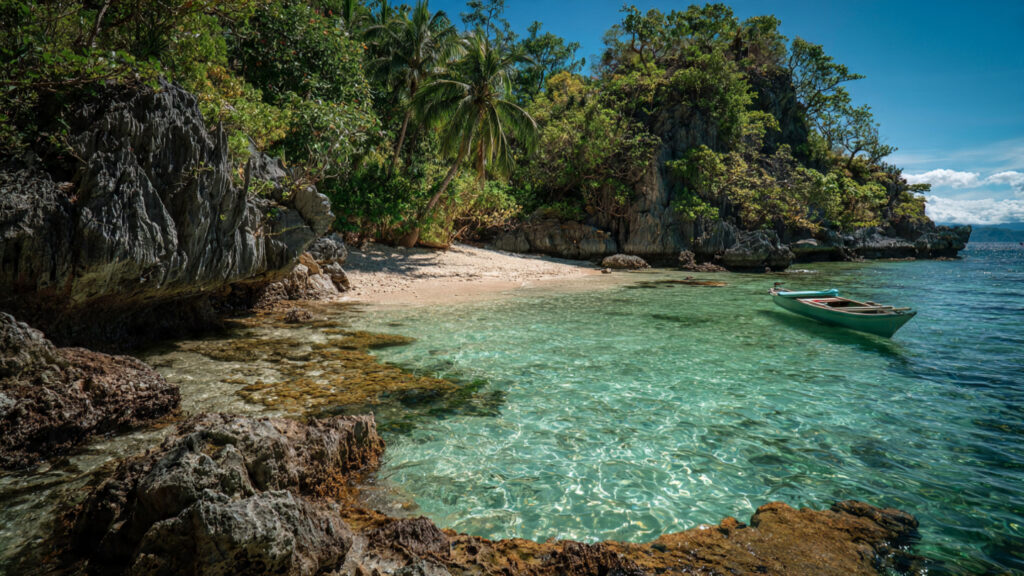
Some beaches stay hidden because they are hard to reach. Others stay hidden because the people who love them do not feel the need to advertise them. That is understandable.
Many Filipino communities have watched famous destinations change quickly. A quiet beach can become crowded within a few years. Prices rise, land changes hands, and places that once belonged to local life begin to feel designed for outsiders.
That does not mean travelers should avoid local beaches completely. It means they should visit with care. There is a difference between appreciating a place and consuming it. There is a difference between sharing a helpful travel story and turning a fragile community space into a viral checklist item.
The most beautiful hidden beaches in the Philippines are not just beautiful because of the sand or water. They are beautiful because they still feel human. People swim there, eat there, rest there, grow up there, and return there.
When you understand that, the experience becomes richer. You stop looking for the next famous beach and start noticing the quiet ones that already matter.
Final Thoughts: The Best Beaches Are Often the Ones Shared Quietly
The Philippines will never run out of famous beaches. There will always be another island-hopping tour, another luxury resort, and another perfect sunset photo. But the beaches that stay with you are not always the most popular ones.
Sometimes, it is the beach where a local family points you toward the best shade. Sometimes, it is the cove with no signboard. Sometimes, it is the island that takes half a day to reach and rewards you with silence.
Hidden beaches Philippines locals still love are not always easy, polished, or convenient. That is exactly why they are worth finding. They remind you that travel is not only about seeing the most famous places. It is also about entering quietly, paying attention, and leaving with more respect than you arrived with.
References
- Philippine Department of Tourism
Official tourism information for destinations, travel updates, and beach regions across the Philippines.
https://www.tourism.gov.ph - Rappler Travel
A Philippines-based source for travel features, local destination stories, and community-focused travel reporting.
https://www.rappler.com/life-and-style/travel
