

International travel and global commerce have transformed dramatically over the last few years. The debate surrounding cash vs card by country is no longer just about convenience. Instead, it is now a matter of absolute accessibility. In 2026, stepping off a plane without knowing local payment habits can leave you stranded. You might find yourself unable to pay for transport, food, or lodging. Some nations have phased out physical currency almost entirely. Meanwhile, other countries fiercely protect cash for cultural, privacy, or infrastructure reasons. This comprehensive guide outlines the reality of how money moves across different borders right now.
Furthermore, understanding the payment landscape requires looking beyond generic financial reports. Global credit card networks boast record-breaking numbers of plastic cards in circulation. However, the actual day-to-day transaction infrastructure varies wildly by territory. For example, a card that works flawlessly at a supermarket in London might fail completely at a street food stall in Bangkok. Similarly, that same card might be useless at a bakery in Berlin. Therefore, this article explores the precise regional breakdowns of cash vs card by country to ensure you never get caught unprepared.
The Ultimate Global Payment Matrix in 2026
To understand the macro trends of cash vs card by country, we can categorize major economic zones based on their dominant transaction methods. The global landscape features a clear split between hyper-digital zones, traditional cash strongholds, and unique mobile-wallet ecosystems. Interestingly, many of these modern mobile systems bypass traditional western credit cards altogether.
| Country / Region | Primary Payment Method | Cash Reliance Level | Card / App Acceptance |
| Sweden & Norway | Digital Wallets / Debit Cards | Extremely Low (< 3%) | Near Universal; Cash is often refused |
| United Kingdom | Contactless Debit / Apple Pay | Low (~ 10%) | Universal, except minor rural pockets |
| Germany | Cash & Local Girocard | Moderate to High (~ 50%) | Growing, but small shops demand cash |
| China | Mobile QR (Alipay / WeChat Pay) | Extremely Low (~ 10%) | Digital dominant, but via apps, not Western cards |
| Japan | Cash & IC Cards (Suica/Pasmo) | Moderate (~ 60%) | Cash preferred in temples, taxis, and rural towns |
| United States | Credit Cards / Apple Pay | Low (~ 12%) | Universal, though small tips still use cash |
| Mexico & Colombia | Cash | High (75% – 80%) | Cards accepted in tourist hubs; cash required elsewhere |
| India | UPI (Instant Mobile Transfers) | Moderate (~ 70%) | QR codes are everywhere; Western cards have limited local reach |
Hyper Cashless Nations Leading the Digital Shift
The Scandinavian region has officially achieved a near-cashless state in 2026. Countries like Sweden and Norway have minimized physical currency usage to historical lows. In fact, cash accounts for less than three percent of total point-of-sale transaction volume. The infrastructure in these nations is heavily optimized for digital efficiency. As a direct result, physical banknotes have become an absolute rarity.
Consequently, carrying physical money can cause genuine complications for anyone visiting or conducting business in these Nordic nations. A vast majority of restaurants, hotels, public transit networks, and retail shops display clear signs stating they do not accept cash. Instead, consumers handle payments seamlessly through local mobile apps like Swish. They also rely heavily on contact-free debit cards or global digital wallets. The financial ecosystem here treats digital infrastructure as a basic public utility. Therefore, plastic or biometric authentication has become the mandatory default.
European Nations Where Cash is Still King

Despite being part of a highly integrated economic union, European payment habits remain deeply divided. For instance, the United Kingdom and the Netherlands have largely embraced a tap-to-pay lifestyle. However, Central and Southern Europe tell a completely different story. Germany remains the most prominent financial anomaly among wealthy Western nations. The country maintains a robust preference for physical currency that routinely puzzles external observers.
- Germany: Privacy concerns and a deep-seated cultural mistrust of bank tracking mechanisms keep cash highly relevant, with over half of all everyday transactions still utilizing physical euro banknotes.
- Italy and Malta: More than sixty percent of point-of-sale transactions rely entirely on physical currency, especially when dealing with independent merchants, regional cafes, and public parking.
- Slovenia: Local cash remains the preferred option for small-value everyday purchases, and traveling outside the major capital requires a wallet full of physical bills.
- Austria: Traditional mountain venues, regional bakeries, and family-owned establishments routinely reject international credit card networks, enforcing strict “cash only” policies.
The Asian Landscape of QR Codes and Mobile Wallets
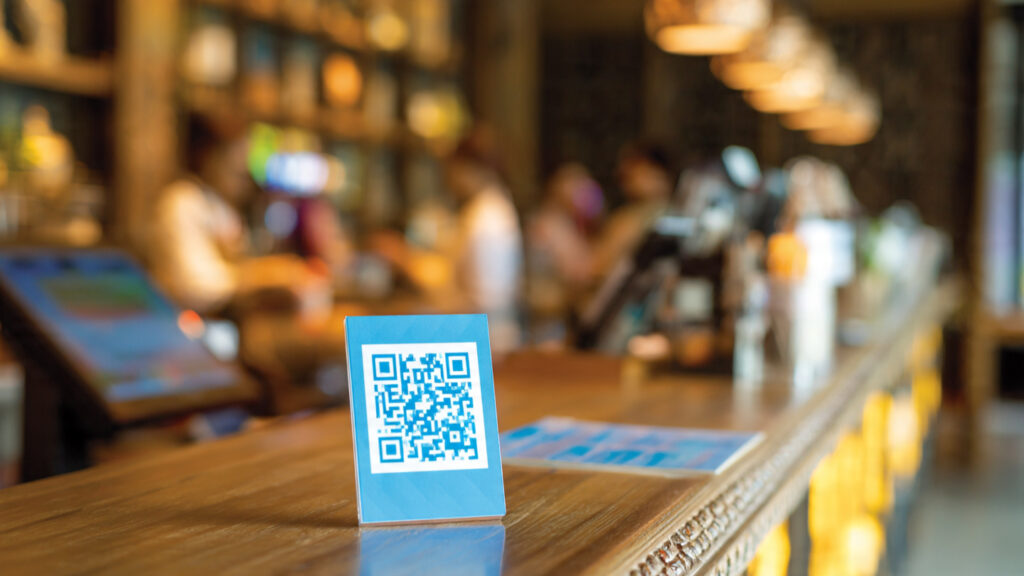
Asia presents a fascinating case study in the evolution of cash vs card by country. Massive economies in this region completely leapfrogged the traditional card phase. They did not transition from cash to plastic credit cards like the West did. Instead, they moved directly from physical paper notes to advanced, mobile-first QR code payment architectures.
For example, China stands as the global pioneer of this mobile ecosystem. Traditional Visa, Mastercard, or American Express cards are rarely used by locals there. Instead, daily life runs entirely on digital wallets like Alipay and WeChat Pay. Merchants utilize dynamic QR codes for everything from luxury shopping to buying a single piece of fruit. Similarly, India has mirrored this rapid transformation through its government-backed Unified Payments Interface. This system allows instant mobile transfers across every tier of society. Meanwhile, Japan remains an interesting hybrid. Despite its high-tech global reputation, Japan protects a cash-heavy culture. Therefore, traditional temples, local bullet-train food carts, and neighborhood sushi bars still expect paper yen.
Latin American Payment Dynamics and Cash Reliance
The conversation regarding cash vs card by country across Latin America highlights a persistent gap. This division exists between modern urban tech hubs and rural realities. Major capitals like Mexico City, Bogotá, and Buenos Aires feature highly sophisticated banking systems. These hubs offer widespread contactless card terminals. However, the broader populations outside these cities remain deeply unbanked.
For travelers and businesses operating in this region, cash remains the ultimate safety net. In countries like Mexico and Colombia, cash reliance hovers stubbornly between seventy-five and eighty percent of total consumer volume. Small businesses often avoid credit card processing terminals due to high interchange fees. Other times, they face unreliable cellular connectivity or prefer the informal economy. Thus, attempting to rely solely on premium international credit cards outside premium resort enclaves will inevitably lead to transaction failures.
Developing Markets and the Cash Safety Net
In many developing nations across Africa and Southeast Asia, physical currency is not just a preference. Instead, it serves as a fundamental pillar of economic survival. Nations such as Myanmar, Ethiopia, and Gambia maintain cash usage rates well above ninety percent. Limited formal banking infrastructure, unstable telecommunications networks, and a lack of consumer trust make physical banknotes the only reliable option.
Furthermore, cash remains the ultimate foundational asset even where revolutionary mobile money platforms have taken off. These economies rely heavily on physical agent networks. Citizens routinely convert their digital balances back into hard physical currency to pay for local market goods. Therefore, understanding cash vs card by country in these territories means accepting a simple fact. Digital options are merely secondary features designed to supplement, rather than replace, hard currency.
Strategic Financial Rules for International Travelers
Navigating the fragmented realities of cash vs card by country in 2026 requires a deliberate, multi-layered approach. Relying on a single payment method while crossing borders is an open invitation to logistical complications.
- Carry Two Diverse Card Brands: Always travel with both a Visa and a Mastercard, ensuring at least one is a traditional credit card rather than a pure debit card, as automated car rentals and boutique hotels often require credit holds.
- Authorize Mobile Wallets Early: Set up Apple Pay, Google Pay, or region-specific applications like Alipay before departing your home country to clear security checks while still connected to your primary phone number.
- Keep Emergency Hard Currency: Always tuck away a crisp, uncreased hundred-dollar bill or equivalent high-value local banknote in a secure, hidden compartment separate from your primary wallet.
- Research Local Transit Rules: Many modern subway and bus networks in cashless cities no longer sell paper tickets, requiring either a contactless card or a specific local transit app to clear the turnstiles.
The Future of Global Payments and Hybrid Ecosystems
As we look across the financial landscape, the overarching trend indicates that cash is finally finding its permanent floor. The explosive digital push drastically reduced the necessity of physical bills. However, the total elimination of cash has proved impossible due to digital exclusion risks and system vulnerabilities. Consequently, the global market is settling into a permanent hybrid ecosystem. Both mediums now serve distinct, vital functions.
Therefore, smart consumers and global citizens must adapt to this permanently fragmented landscape. Total reliance on digital tools leaves you completely exposed to regional network outages or power failures. Conversely, refusing to adapt to mobile apps can completely lock you out of automated services in progressive smart cities. Balancing both assets effectively is the only way to navigate the diverse reality of global payments.
References
- European Central Bank (ECB) Payment Statistics: An official report showing the steady rise in non-cash transactions and the shifting patterns of regional cash usage across the Eurozone.
- Visual Capitalist Global Cash Usage Report: A detailed data visualization study highlighting the exact percentages of cash dependence versus digital wallet adoption across both developed and emerging nations.
