Finding the best time to visit Japan requires a look at the country’s diverse geography. Since Japan stretches across several climate zones, you will find subarctic weather in the north and subtropical heat in the south. Many travelers dream of seeing the cherry blossoms in the spring. However, Japan offers much more than just flowers.
For instance, you can enjoy fiery autumn leaves or the quiet beauty of snow-covered shrines. Each season has a unique personality. Consequently, your choice depends on your interests and your budget. You should look beyond simple temperature charts. Instead, consider the cultural heartbeat of the nation.
Think about peak travel times like Golden Week. Moreover, watch for the shift of the rainy season. This guide provides a full monthly breakdown. As a result, it helps you align your plans with the natural cycles of the islands. We want to ensure your journey is immersive and rewarding for years to come.
Japan Seasonal Quick Reference Guide
| Season | Months | Key Highlight | Atmosphere |
| Winter | Dec – Feb | Snow Festivals & Skiing | Crisp, cold, and clear skies |
| Spring | Mar – May | Cherry Blossoms (Sakura) | Mild, celebratory, and vibrant |
| Summer | Jun – Aug | Festivals & Fireworks | Hot, humid, and high energy |
| Autumn | Sep – Nov | Fall Foliage (Koyo) | Cool, stable, and colorful |
January A Serene Start to the Year and the Best Time to Visit Japan for Snow
January is arguably the best time to visit Japan if you love crisp days and winter sports. During this month, the northern island of Hokkaido becomes a global center for skiing. Resorts in Nagano also offer world-class powder snow. These areas attract enthusiasts from every corner of the globe.
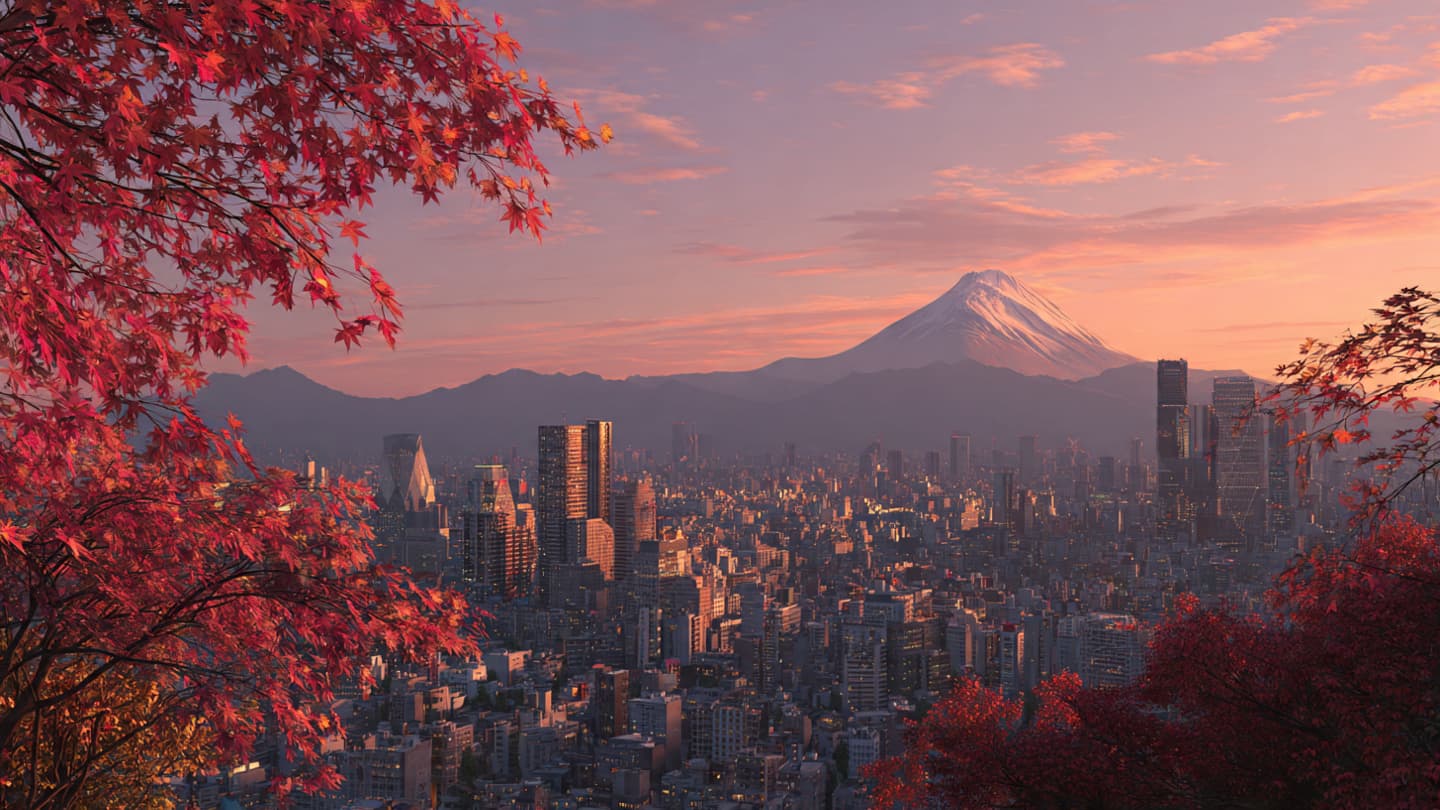
In major cities like Tokyo and Osaka, the weather stays cold. However, you will often see bright blue skies. This low humidity offers great views of Mount Fuji. Furthermore, you can see the peak clearly from many city skyscrapers. January is also a time for deep tradition.
Millions of people celebrate Hatsumode. This is the first shrine visit of the year. People wear their finest clothes to pray for health. In addition, you will smell incense and hear the sound of ringing bells everywhere. The temperatures are low, so you must wear heavy layers.
On the other hand, the lack of huge crowds makes this a great time for sightseeing. You can visit places like the Golden Pavilion in relative peace. Finally, a steaming outdoor hot spring provides the perfect end to a winter day. This contrast between hot water and cold air is a highlight of the season.
February Ice Festivals and the Early Whispers of Springtime Beauty
February continues the winter theme with famous ice festivals. Therefore, it is a favorite month for photographers. The Sapporo Snow Festival is the main event. Massive snow structures transform the city into a glowing gallery. Experts carve these sculptures with incredible detail.
While the north stays frozen, the south sees the first signs of spring. Plum blossoms, or ume, begin to bloom in late February. These flowers are a fragrant precursor to the cherry blossoms. Similarly, they represent resilience and the promise of warmth.
Shrines in Kyoto and Tokyo host traditional tea ceremonies to celebrate these blooms. You should prepare for cold temperatures this month. In particular, rural and mountain areas stay quite chilly. However, the majestic beauty of the frost-dusted landscape is worth the effort.
Indoor cultural experiences provide a warm sanctuary. For example, you can enjoy a kabuki performance or high-end dining. Overall, February offers a deep dive into Japanese culture without the intense heat of summer. It is a peaceful time to explore the hidden corners of the country.
March The Transition to the Best Time to Visit Japan for Landscapes
March acts as a gateway to the most popular travel window. During this time, the nation sheds its winter coat for pastel spring colors. Many experts call this the best time to visit Japan to see the start of the sakura. The “bloom front” begins its journey in the south.
Then, it moves north from Kyushu and Shikoku. Temperatures rise and the days grow longer. Consequently, an electric feeling of anticipation fills the major cities. Everyone monitors the weather forecasts with intense focus. They prepare for hanami, which means flower viewing.
March also offers deep cultural experiences. For instance, families celebrate the Doll Festival early in the month. Shrines hold rituals for the spring equinox. These events highlight themes of renewal and change. Nevertheless, the weather can stay unpredictable.
You might see a sunny afternoon followed by a sudden chill. This sense of growth is visible in every prefecture. In summary, you can see the end of winter in the north and the start of spring in the south. It is a month of beautiful contrast and fresh energy.
April Peak Sakura Season and the Height of International Tourism
April is the most famous month in the Japanese calendar. Since cherry blossoms reach full bloom, it is a busy time for central Japan. This includes the major cities of Tokyo, Kyoto, and Nara. Therefore, this is the peak of the international tourist season.
Pink and white petals create a dreamlike canopy over the streets. Millions of people visit city parks and temple grounds. The hanami parties reach their peak now. People gather on blue tarps to share food and laughter. This display of collective joy is the heart of the Japanese spring.
The visual beauty of April is truly unparalleled. In fact, it provides the postcard version of Japan that most travelers want to see. However, you must prepare for some challenges. For example, accommodation prices are much higher in April.
Public transport is also very crowded. The weather is generally mild and pleasant. As a result, it is perfect for long days of walking and exploration. While sudden rain can end the blossoms, standing in a flurry of falling petals is still a bucket-list experience.
May Golden Week Festivities and the Emergence of Lush Greenery
May offers a vibrant alternative to the busy pace of April. The landscape moves from delicate flowers to lush greenery. This fresh green color is called shinryoku. The month starts with Golden Week. This is one of the busiest travel times for locals.
Because four national holidays happen in one week, trains and hotels stay very full. However, once the holiday rush ends, May becomes very comfortable. The humidity stays low and the skies are often bright blue. This is a great time for hiking in the Japanese Alps.
In addition, you can visit rural areas like Shirakawa-go. The rice paddies are freshly planted and the mountains look alive. Japanese gardens are at their peak health in May. Consequently, they offer a serene experience that lasts longer than the blossoms.
Active travelers enjoy cycling the Shimanami Kaido during this month. May provides the perfect balance of weather and scenery. In short, it makes any journey across the islands feel truly unforgettable. It is the best month for outdoor lovers.
June The Rainy Season and the Best Time to Visit Japan for Serenity
- The Arrival of Tsuyu June brings the rainy season to most of Japan. Therefore, you will see consistent clouds and soft rainfall. This creates a misty and atmospheric environment.
- The Hydrangea Bloom Hydrangeas, or Ajisai, thrive in the damp weather. For example, temple gardens in Kamakura turn into vibrant displays of blue and purple.
- Reduced Tourist Volumes Since many travelers avoid the rain, June offers a unique chance to visit famous spots without the crowds. You can enjoy shrines in peace.
- Vivid Green Landscapes The rain makes the countryside look deep and vivid. In particular, it is a great time for photography in moss gardens.
- Indoor Highlights This is the best month to explore world-class museums. Furthermore, you can visit covered shopping arcade or traditional tea houses.
July The Peak of Summer Festivals, Fireworks, and Mountain Adventures
July marks the arrival of the true Japanese summer. Temperatures and humidity rise quickly. However, the month also brings an explosion of cultural energy. Festivals and fireworks happen across the country. This energy is contagious for visitors.
Outdoor enthusiasts love July because the Mount Fuji climbing season opens. Thousands of people hike to the summit to see the sunrise. Meanwhile, major festivals like the Gion Matsuri dominate the calendar. You will see massive floats and hear traditional music.
These processions have happened for over a thousand years. In addition, evening fireworks displays are a highlight of the month. Millions of people wear traditional yukata to watch these shows. The pyrotechnics over the rivers and bays are truly world-class.
The heat can be difficult if you are not used to it. Nevertheless, the street food and the sound of cicadas create a unique vibe. It is a high-energy time to visit. Therefore, just stay hydrated and join the festivities with the locals.
August Obon Traditions and the Height of the Summer Holiday Season
August is the hottest month in the Japanese calendar. The high temperatures match the depth of the local traditions. Specifically, the Obon festival is the main event. People believe the spirits of their ancestors return to the world of the living.
Families reunite for traditional dances and lantern ceremonies. As a result, this is a time of very high domestic travel. Many people leave the cities to visit their hometowns. Therefore, you must book trains and hotels far in advance.
If you want to escape the heat, head to Hokkaido. The northern island stays cool and features beautiful flower fields. For instance, you can see vast displays of lavender and sunflowers. August is also the best time for the beach.
Islands like Okinawa offer great diving and snorkeling. In fact, the sea temperatures are very comfortable for swimming. Despite the intense sun, August feels very nostalgic. The sound of wind chimes and the taste of shaved ice define the season beautifully.
September The Gentle Fade of Summer and the Harvest Moon
September acts as a bridge between summer and autumn. The intense heat of August begins to fade. During this time, you will see the first hints of autumn in the mountains. Early September still feels quite warm in the cities.
However, the autumn equinox brings a shift in the air. Evenings become cooler and the humidity drops. This is also a time for harvest celebrations. People enjoy “Moon Viewing” festivals called Tsukimi. They gather in temples to appreciate the full moon.
They offer rice dumplings and seasonal grass to the spirits. In addition, September is a great month for food lovers. It marks the start of the “autumn appetite.” You can find seasonal treats like matsutake mushrooms and Pacific saury.
September is part of the typhoon season. Although storms can sometimes disrupt travel plans, they are usually followed by very clear skies. September offers a mix of warmth and smaller crowds. Consequently, it is a rewarding time for a unique trip.
October Ideal Weather and the Spectacular Onset of Autumn Foliage
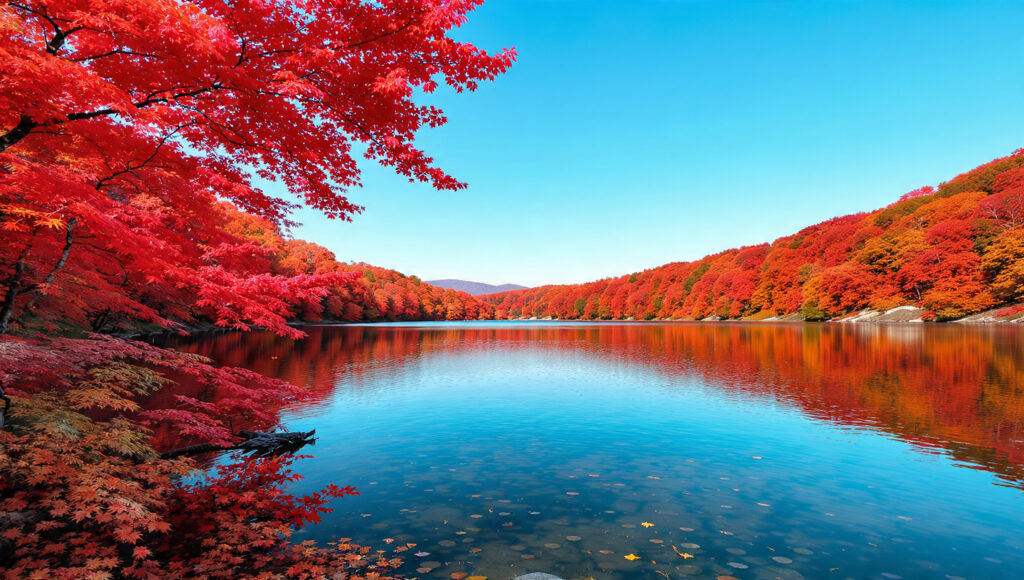
Travel experts often call October the best time to visit Japan. It offers a near-perfect climate. For example, you can expect mild temperatures and low rainfall. Autumn colors begin to appear in the north. The summer green turns into gold and crimson.
The landscapes of northern Japan become breathtaking. Therefore, this is a world-class time for hiking. The clear blue skies provide a great backdrop for historic tours. You can explore the samurai houses of Kakunodate.
You can also hike the trails of Nikko National Park. In addition, October hosts many major cultural festivals. The Takayama Autumn Festival features stunning floats and puppets. These events provide a window into the feudal past of the country.
The lack of summer humidity makes walking very comfortable. As a result, you can explore the streets of Tokyo for hours. Whether you visit a Zen garden or a fish market, the weather is perfect. October enhances every part of the travel experience.
November The Peak of Koyo and the Best Time to Visit Japan for Colors
- The Peak of Autumn Foliage November is the best month for autumn leaves. Consequently, central Japan turns into a sea of red and gold.
- Evening Light-ups Many temples host special evening events. They light up the maple trees against the dark sky. This creates a magical and surreal atmosphere.
- Shichi-Go-San Festival Families celebrate their children on November 15th. You will see kids in exquisite kimonos at local shrines. This is a beautiful sight for photography.
- Stable Weather November usually has very stable and dry weather. Furthermore, you can expect many sunny days in a row.
- Culinary Delights This is the best time for seasonal street food. For instance, you can find roasted sweet potatoes and chestnuts everywhere. These warm treats are perfect for the chilly air.
December Winter Illuminations, Festive Spirit, and Year-End Traditions
December brings a magical charm to the Japanese islands. During this month, the nation prepares for the year-end holidays. Modern light shows blend with ancient rituals. While Japan is not traditionally Christian, the cities celebrate with amazing “Winter Illuminations.”
Millions of LED lights drape the streets of Tokyo and Kobe. Consequently, this creates a romantic atmosphere that people love. As the month ends, the focus shifts to the New Year. Oshogatsu is the most important holiday in Japan.
People do intense “year-end cleaning” to start fresh. Moreover, they prepare special food called Osechi. You will hear 108 temple bells ring on New Year’s Eve. The weather is cold but often dry and sunny on the coast.
On the other hand, heavy snow falls on the mountains for skiers. December offers a mix of neon lights and quiet temples. In conclusion, it provides a heart-warming view of the Japanese identity. It is a month of light and reflection.
References
- Japan National Tourism Organization (JNTO) This is the official resource for weather and festivals. It provides full calendars for every region in the country.
- Japan-Guide This is a leading travel authority. It offers insights into transportation and crowd levels for all major tourist hubs.