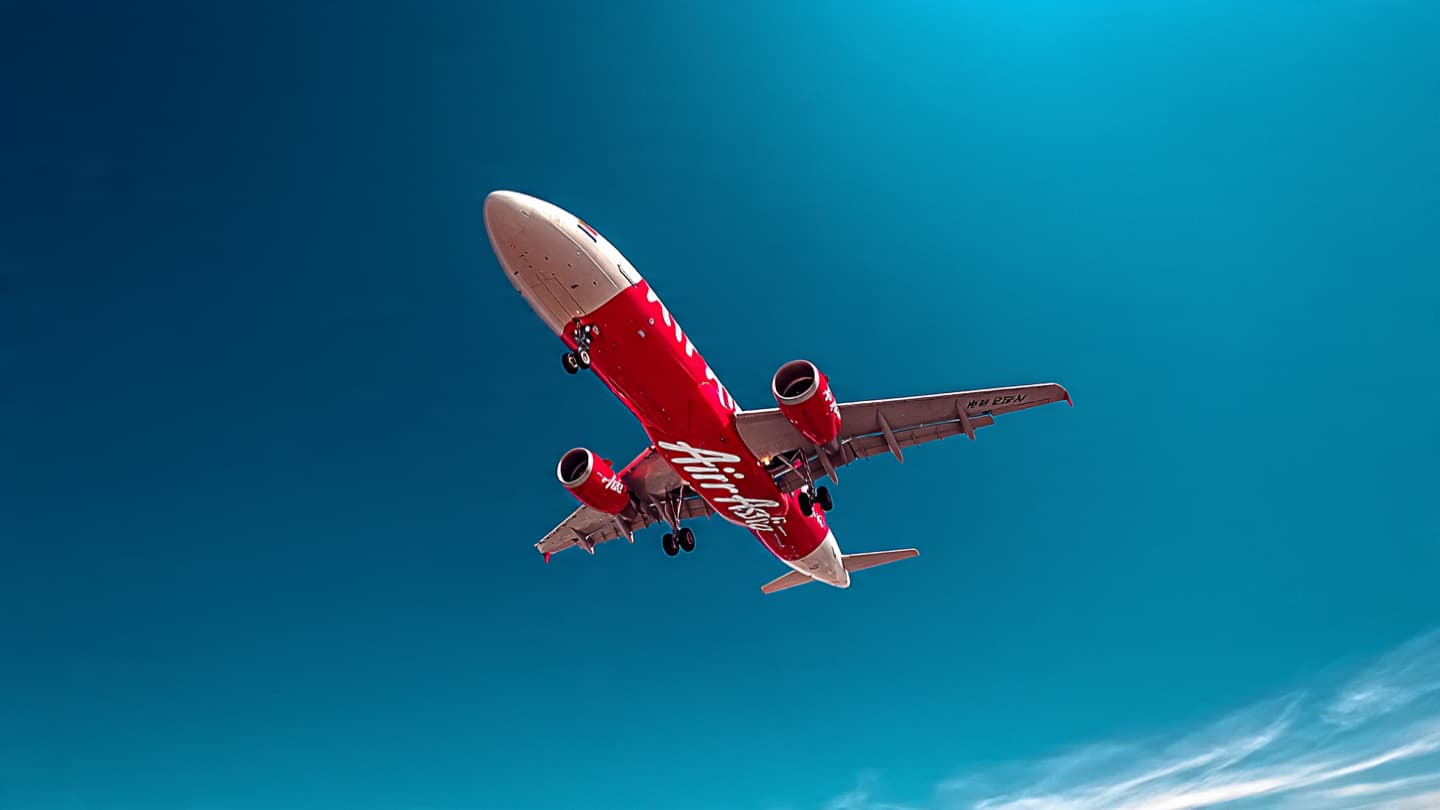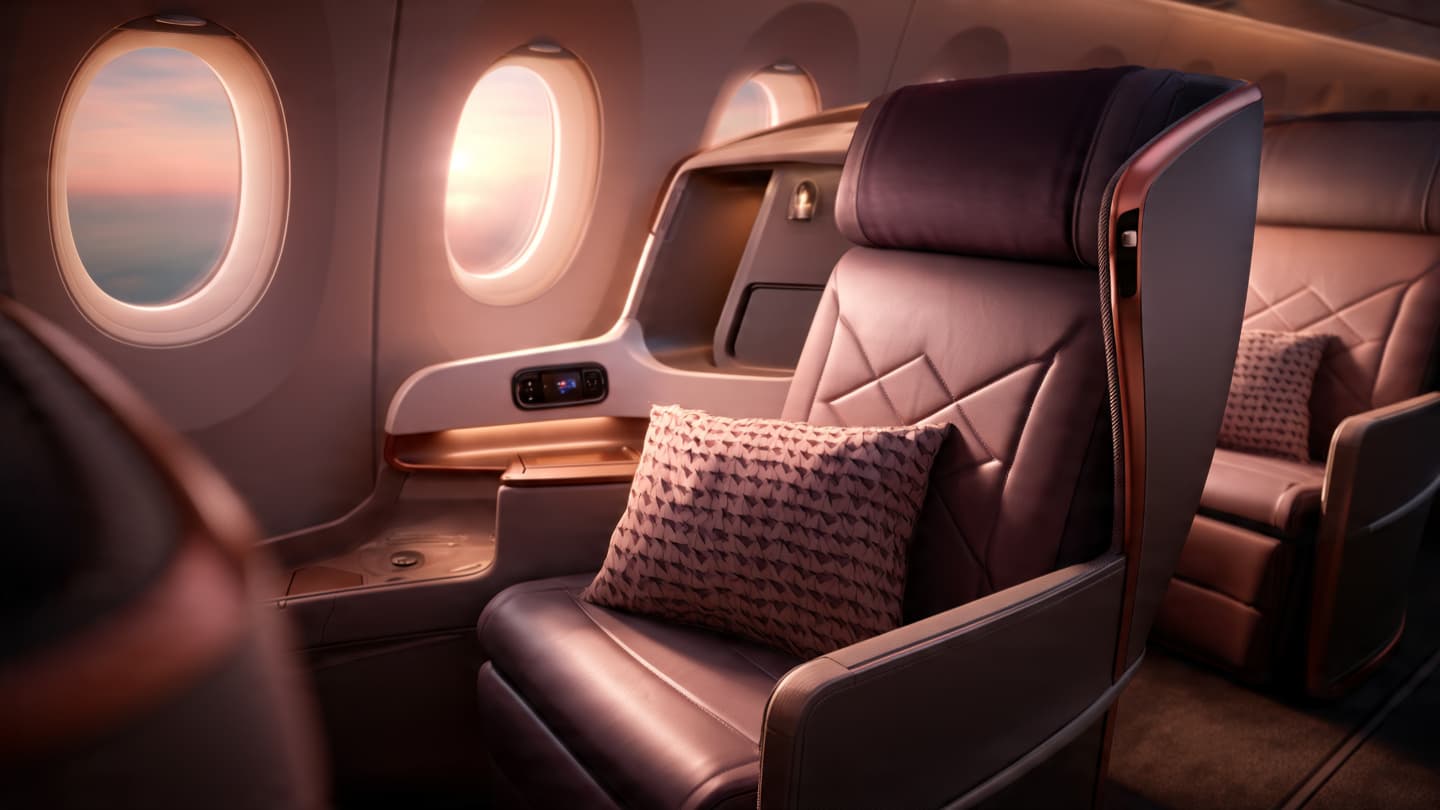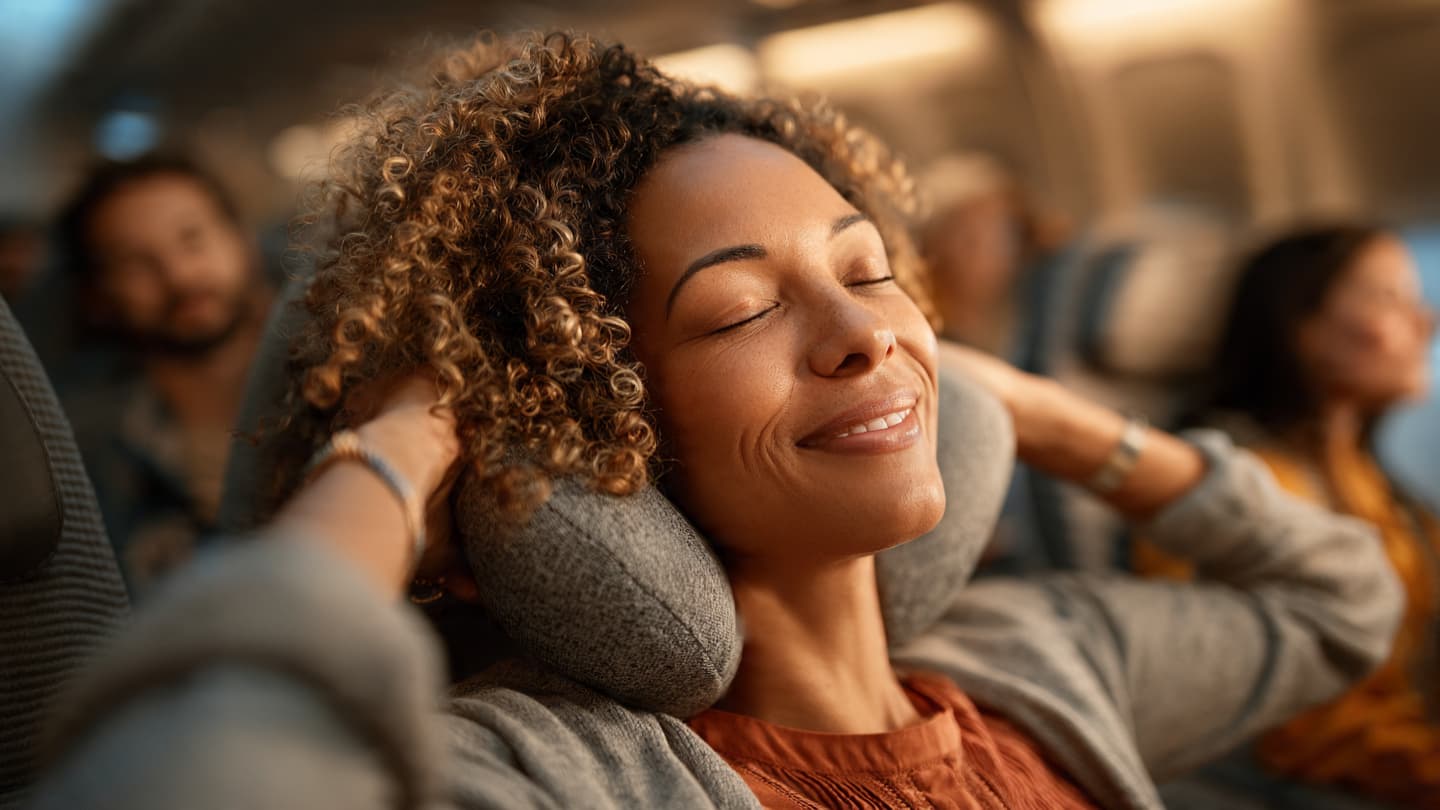
Choosing the Best Economy Seats can make a long flight feel much easier, especially when you are spending six, ten, or even fifteen hours in the air. Economy class may not offer the space of business class or premium economy, but the right seat can still improve your comfort, help you sleep better, reduce stress, and make the whole journey feel smoother. Many travelers book the cheapest available seat without thinking about legroom, noise, recline, bathroom traffic, or how easy it will be to get up during the flight. However, a small seating decision can have a big effect on your travel experience.
The best seat is not the same for every traveler. A tall person may care most about legroom. A nervous flyer may prefer a seat over the wing because it can feel more stable during turbulence. A traveler who wants to sleep may choose a window seat away from the galley and toilets. Someone who gets up often may prefer an aisle seat, even if it means being bumped by passengers and carts. This guide explains how to choose the Best Economy Seats on long flights based on comfort, aircraft layout, personal travel style, and practical booking strategy.
Why Seat Choice Matters More on Long Flights
On a short flight, an uncomfortable seat may only bother you for an hour or two. On a long flight, the same problem can become exhausting. Limited legroom, a blocked recline, noisy surroundings, and frequent interruptions can affect sleep, circulation, mood, and energy after arrival. That is why choosing the Best Economy Seats is not just about luxury. It is about protecting your comfort during a long period of restricted movement.
Long flights also involve more in-seat activities. You may sleep, eat, work, watch movies, stretch, and get up several times. A poor seat can make all of these harder. For example, a middle seat limits privacy and movement. A seat near the lavatory may expose you to noise, light, and passenger queues. A seat in the last row may have limited recline. Meanwhile, an exit row, bulkhead, or well-placed aisle seat can make the same economy cabin feel much more manageable.
Aircraft layout also matters. Two airlines can operate the same aircraft type with different seat pitch, seat width, lavatory placement, and galley position. Some long-haul economy cabins feel more spacious because of wider layouts or better seat spacing, while others feel tight even on modern aircraft. Travel publications often compare long-haul economy cabins based on seat pitch, width, recline, and cabin layout, showing that comfort can vary significantly between airlines and aircraft.
The Overall Best Economy Seats for Most Travelers
For many travelers, the Best Economy Seats on long flights are exit row aisle or window seats, bulkhead seats, and front-section economy seats away from lavatories and galleys. Exit row seats are popular because they often provide extra legroom. Bulkhead seats can also provide more knee space because there is no seat directly in front. Seats near the front of the economy cabin may be quieter and make it easier to leave the aircraft after landing.
However, each of these choices has trade-offs. Exit row seats may not allow bags under the seat during takeoff and landing. Some exit row seats have tray tables inside the armrest, which can reduce seat width. Bulkhead seats may be close to bassinets, families, or busy service areas. Front economy seats may cost extra because airlines often classify them as preferred seats. The best choice depends on what you value most: legroom, quiet, sleep, quick exit, or easy movement.
For a balanced choice, many travelers should look for an aisle seat in the front half of the economy cabin, several rows away from bathrooms and galleys. This type of seat usually offers good convenience without the biggest disadvantages of high-traffic areas. If you prefer sleeping and do not need to get up often, a window seat in the same zone may be better. The main goal is to avoid the worst economy seats while choosing a seat that matches your body, habits, and flight length.
Exit Row Seats: Great Legroom With Extra Responsibility
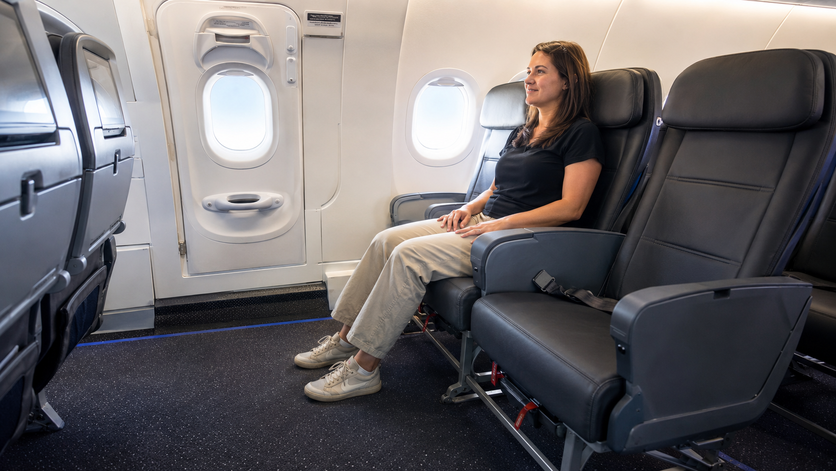
Exit row seats are often considered some of the Best Economy Seats because they can offer significantly more legroom than standard economy rows. On long flights, this extra space can make it easier to stretch your legs, change position, and feel less trapped. For tall travelers, exit rows can be one of the most valuable seat choices in economy class.
But exit row seating is not only about comfort. Passengers seated in an emergency exit row may be required to assist crew members during an evacuation. This means airlines must check whether passengers are willing and able to perform certain safety duties. Southwest Airlines, for example, lists requirements such as sufficient mobility, strength, ability to understand instructions, and willingness to help in an emergency. The U.S. Department of Transportation also notes that airline personnel make individual determinations about whether a passenger can perform the required exit row functions.
Exit row seats may also have practical disadvantages. You may not be able to keep your personal bag under the seat in front of you during takeoff and landing. Some exit row seats have fixed armrests because the tray table and entertainment screen are stored inside them. This can make the seat feel slightly narrower. In some aircraft, the exit row window seat may be colder because it is near the aircraft door. Still, for travelers who value legroom and meet the safety requirements, exit rows are often among the best economy seats on long flights.
Bulkhead Seats: More Space, But Not Always Better
Bulkhead seats are located directly behind a wall, divider, curtain, or cabin partition. Many travelers choose them because there is no passenger reclining into their space. This can make the area feel more open, especially during meal service or when trying to get out of the seat. The U.S. Department of Transportation describes bulkhead seats as seats located directly behind bulkhead separators and notes that they may be relevant for passengers who need certain seating accommodations.
Bulkhead seats can be excellent for travelers who want more knee space or dislike having another seat close in front of them. They can also be useful for passengers who want to avoid seatback movement from the row ahead. On some aircraft, bulkhead rows are placed near the front of economy, which can make boarding and deplaning more convenient. For long flights, this can create a calmer experience if the row is not too close to a busy galley or lavatory.
However, bulkhead seats are not perfect. Because there is no seat in front, your tray table and screen may be stored in the armrest, which can reduce seat width. You usually cannot store a bag at your feet during takeoff and landing. Some bulkhead rows are used for bassinets, so they may be noisier if babies are traveling nearby. In some layouts, the legroom looks generous but the wall limits how far you can stretch your legs forward. Before paying extra for a bulkhead seat, check the aircraft seat map carefully.
Aisle vs Window vs Middle: Which Seat Is Best?
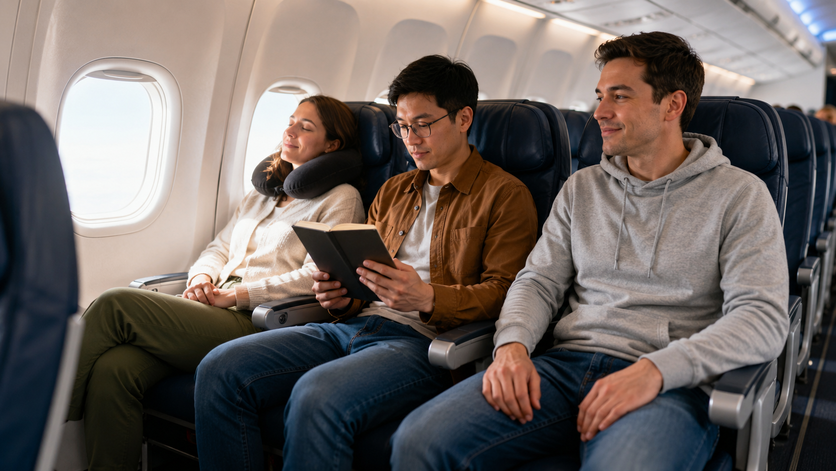
The aisle seat is usually best for travelers who want freedom to move. On long flights, being able to stand up, stretch, and visit the lavatory without disturbing others is a major advantage. Aisle seats are especially useful for tall travelers, people who drink a lot of water, and passengers who dislike feeling trapped. The downside is that you may be bumped by passengers, crew, and service carts. You may also need to stand up when people in your row want to leave.
The window seat is usually better for sleep and privacy. You can lean against the wall, control the window shade when allowed, and avoid being disturbed by seatmates who need to get out. For travelers who want to rest during a long overnight flight, a window seat away from the lavatory can be one of the Best Economy Seats. The downside is limited access to the aisle. If you need to get up often, you may feel uncomfortable asking others to move.
The middle seat is usually the least desirable option on long flights. It offers less privacy, less control, and less personal space. You may have passengers on both sides and no easy place to lean. However, if you are traveling with family or friends, a middle seat may be acceptable as part of a group arrangement. For solo travelers, it is usually worth selecting a seat early, checking the seat map often, or paying a reasonable fee to avoid the middle seat on a long-haul flight.
Best Economy Seats by Traveler Type
Different travelers need different seats. The Best Economy Seats for one person may be uncomfortable for another. Use the guide below to match your seat choice with your travel style.
- For tall travelers: Choose an exit row or bulkhead seat if available. If not, choose an aisle seat so you can stretch one leg slightly when safe and appropriate.
- For travelers who want to sleep: Choose a window seat away from lavatories, galleys, and high-traffic areas.
- For nervous flyers: Choose a seat over the wing or near the center of the aircraft, where movement can feel more stable.
- For travelers who need the toilet often: Choose an aisle seat, but avoid sitting directly next to the lavatory.
- For couples: Look for a two-seat side section on aircraft with a 2-4-2 or 2-3-2 layout.
- For quick connections: Choose a seat near the front of the economy cabin to leave the aircraft faster after landing.
- For families: Choose seats together early and avoid exit rows, as children are generally not permitted to sit there under many airline rules.
- For light sleepers: Avoid seats near galleys, lavatories, crew work areas, and high-traffic zones.
- For budget travelers: Choose a free standard aisle or window seat in the front-middle part of economy if extra-legroom seats are too expensive.
Economy Seats You Should Avoid on Long Flights
Some economy seats look normal on the seat map but can feel uncomfortable during a long flight. The last row of the cabin is often one of the worst choices because it may have limited recline and can be close to lavatories or galleys. Seats near toilets can also be noisy because passengers may queue nearby, doors may open and close often, and lights may disturb sleep.
Seats directly in front of an exit row may also have limited recline. Airlines sometimes restrict recline in these rows so the exit path stays clear. This can be frustrating on a long overnight flight because you may have less ability to rest. Similarly, seats near crew service areas may be disturbed by meal preparation, carts, conversation, and cabin lighting.
You should also be careful with seats that appear to have extra space but are close to a wall, door, or equipment box. Some window seats may have missing windows or misaligned windows. Some aisle seats near cabin intersections may receive more foot traffic. If possible, compare the airline seat map with an independent aircraft seating guide before making a final decision. This is especially important when paying extra for a preferred seat.
How to Choose the Best Economy Seats Before Booking
The best time to think about seat selection is before you buy the ticket. Many travelers compare only price and schedule, but aircraft type and seat layout can also affect comfort. A slightly more expensive flight may be better if it uses an aircraft with wider seats, better seat pitch, or a more comfortable layout. For example, some long-haul aircraft have side sections with two seats, which can be excellent for couples or solo travelers who want fewer seatmates.
After choosing a flight, check the aircraft seat map on the airline website. Look for exit rows, bulkhead rows, lavatory locations, galley areas, bassinets, and preferred seating zones. Then compare the seat map with reviews or aircraft layout tools. Seat layouts can change, so always treat third-party maps as helpful guidance rather than a guarantee. Airlines may swap aircraft before departure, and your selected seat can change if the operating aircraft changes.
It is also smart to check the seat map again before online check-in opens. Seats may become available when other passengers upgrade, cancel, or change flights. If you did not get your preferred seat during booking, you may still find a better option closer to departure. For long flights, a few minutes of checking can make a big difference in comfort.
Smart Seat Selection Tips for Long-Haul Economy
Choosing the Best Economy Seats is easier when you follow a simple process. Use these tips before you confirm your seat.
- Book early when possible, especially for long-haul international flights.
- Check the aircraft type before choosing your seat.
- Avoid seats directly next to lavatories unless convenience matters more than quiet.
- Avoid the last row if you want reliable recline.
- Choose a window seat for sleep and privacy.
- Choose an aisle seat for movement and easier bathroom access.
- Choose an exit row only if you meet the safety requirements and accept the responsibility.
- Be careful with bulkhead seats if you want under-seat storage.
- Recheck your seat after aircraft changes or schedule changes.
- Review the seat map again when online check-in opens.
- For overnight flights, prioritize quiet over quick deplaning.
- For daytime flights, prioritize movement, access, and personal space.
Should You Pay Extra for Better Economy Seats?
Paying extra for the Best Economy Seats can be worth it on long flights, but not always. If the flight is short, the added cost may not matter. But on a long-haul flight, extra legroom, a quieter location, or a better seat position can improve the entire journey. A reasonable seat fee may be cheaper than upgrading to premium economy while still giving you a noticeable comfort benefit.
The value depends on the price difference. If an exit row or preferred seat costs a small amount compared with the total ticket price, it may be a smart purchase. If the fee is very high, compare it with premium economy, because premium economy may include wider seats, better recline, more legroom, and improved service. Some travel editors and frequent flyers recommend specific economy rows because they can deliver strong comfort value without the full cost of premium cabins.
You should also consider your arrival plans. If you need to work, drive, attend a meeting, or start sightseeing soon after landing, better rest may be worth paying for. If you are flexible after arrival, you may choose a free standard seat and save the money. The best decision is not always the most expensive seat. It is the seat that gives you the right comfort for your body, flight length, and travel purpose.
The Best Economy Seats on long flights are usually the seats that reduce discomfort, improve rest, and match your personal habits. For many travelers, that means an exit row, bulkhead, front-section aisle, or quiet window seat away from lavatories and galleys. For others, the best choice may be a standard aisle seat that makes it easy to move around without disturbing anyone.
Before choosing, think about what matters most to you. Do you need legroom, sleep, quick exit, privacy, or easy bathroom access? Once you know your priority, the seat map becomes much easier to understand. Avoid the worst seats, compare layouts, check again before departure, and be willing to pay extra only when the benefit is clear.
Economy class will never feel like business class, but smart seat selection can make a long flight much more comfortable. With the right planning, the Best Economy Seats can help you arrive feeling more rested, less cramped, and more ready for the journey ahead.
References
- U.S. Department of Transportation: Guidance on bulkhead seating, exit row seating, and passenger seating accommodations.
- Southwest Airlines: Exit row seating responsibilities and passenger eligibility requirements based on federal regulations.