
I spent 3 months in Southeast Asia and still spent less than $3,000. That number sounds cleaner than the trip actually was. My route was messy in places, my spending was not perfect, and a few decisions were made because I was tired rather than financially wise.
Still, the trip worked. I moved through six countries, stayed in a mix of hostels and simple private rooms, ate well, took buses and trains, paid for activities that mattered, and still came home under budget.
The final number was roughly $2,980 for 92 days, not including my international flight into Southeast Asia or my flight home. That works out to about $32 per day. Some days cost much less. Travel days, island transfers, and the occasional comfort upgrade cost more.
This is not a fantasy backpacker budget where everything goes perfectly. It is a realistic breakdown of what happened when I tried to travel carefully without making the trip feel cheap in the worst way.
My Total Budget for 3 Months in Southeast Asia
Before the trip, I gave myself one clear goal: stay under $3,000 while traveling for 3 months in Southeast Asia. The number had to cover accommodation, food, local transport, buses, trains, ferries, short flights, activities, SIM cards, laundry, toiletries, ATM fees, and small mistakes.
It did not include my international flights. That matters because flight prices vary too much depending on where you start. I wanted the budget to show what the trip cost once I was already in the region.
| Category | Rough Total Spent | Daily Average | What It Covered |
|---|---|---|---|
| Accommodation | $920 | $10.00 | Hostels, guesthouses, simple private rooms |
| Food & Drinks | $780 | $8.50 | Street food, local meals, snacks, coffee |
| Transport | $520 | $5.65 | Buses, trains, ferries, local rides, short flights |
| Activities | $360 | $3.90 | Temples, tours, museums, parks, cooking class |
| Daily Essentials | $210 | $2.30 | Laundry, SIM cards, toiletries, ATM fees |
| Mistakes & Splurges | $190 | $2.05 | Bad transfers, lazy taxis, extra cafes |
| Total | $2,980 | $32.40 | 92 days of travel |
The biggest surprise was transport. Accommodation mattered, of course, but moving too often created more hidden costs than I expected. Every travel day came with extra rides, snacks, luggage fees, late arrivals, and small convenience purchases.
Where Southeast Asia Felt Cheapest and Most Expensive
Not every country felt the same on my budget. Some places made it easy to spend less without trying very hard. Others were affordable on paper but expensive in the exact places travelers usually want to go.
Vietnam helped my budget the most. Laos also made it easier to slow down and spend less. Thailand was affordable when I stayed away from the most tourist-heavy areas, but beach towns and islands could change the math quickly.
| Country | Days Spent | Rough Spend | Daily Average | Budget Difficulty |
|---|---|---|---|---|
| Vietnam | 24 | $610 | $25 | Easy |
| Thailand | 22 | $760 | $35 | Medium |
| Cambodia | 13 | $430 | $33 | Medium |
| Laos | 11 | $310 | $28 | Easy to medium |
| Malaysia | 12 | $410 | $34 | Medium |
| Indonesia | 10 | $460 | $46 | Harder in tourist areas |
| Total | 92 | $2,980 | $32 | Manageable with slow travel |
Indonesia was the easiest place for me to overspend, mostly because I spent time in tourist-heavy island areas. Malaysia felt manageable, especially in cities where food and public transport were good value. Cambodia was affordable day to day, but major attractions and tourist routes made some days more expensive.
The pattern was clear by the end. Country choice matters, but travel style matters more. A slow traveler in Thailand can spend less than a rushed traveler in Vietnam.
What Things Actually Cost Day to Day
Instead of tracking every receipt perfectly, I paid attention to normal price ranges. These were the numbers that shaped my daily decisions.
| Item | Typical Cost I Paid | Budget Note |
|---|---|---|
| Hostel dorm bed | $5–$12 | Best for big cities and social stays |
| Simple private room | $15–$28 | Worth it when I needed proper rest |
| Street food meal | $1.50–$3.50 | The easiest way to save money |
| Local restaurant meal | $3–$6 | Still affordable and usually satisfying |
| Western meal or cafe brunch | $7–$14 | Fine occasionally, dangerous as a habit |
| Intercity bus or train | $8–$30 | Good value when booked early |
| Ferry or boat transfer | $8–$35 | Added up quickly around islands |
| Short regional flight | $35–$90 | Useful, but baggage and transfers mattered |
| Temple, museum, or attraction | $2–$15 | Usually worth it for major stops |
| Day tour or cooking class | $20–$60 | I picked these carefully |
These ranges made the budget feel less mysterious. A $2 meal could balance a $25 tour. A dorm bed could make room for a private room later. One cheap week in Vietnam could absorb a more expensive travel day in Indonesia.
The lesson was not to avoid spending. It was to understand the trade-off before saying yes.
How I Kept the Trip Under $3,000
The trip stayed under budget because of repeated small decisions. None of them felt dramatic at the time, but they added up over three months.
- I stayed longer in each place instead of changing cities every two or three days.
- I ate local food most of the time and saved Western meals for occasional comfort.
- I mixed hostel dorms with simple private rooms.
- I booked transport earlier when I already knew my route.
- I avoided flights unless overland travel wasted too much time.
- I walked in cities where it was realistic and safe.
- I compared tour prices before booking through hostels or travel desks.
- I kept nightlife spending low.
- I used laundry services instead of carrying too many clothes.
- I tracked spending roughly, not obsessively, so I could adjust early.
Slow travel was the biggest money saver. It sounds like soft advice, but it had a real financial impact. When I stayed somewhere longer, I found cheaper food, learned local routes, avoided random taxis, and stopped making rushed booking decisions.
Comfort still had a place in the budget. A private room after a rough travel day was worth it. A direct bus that avoided a stressful late-night transfer was worth it. A random overpriced cafe because I was bored was usually not.
The Mistakes That Almost Broke My Budget
My first mistake was trying to see too much too soon. I arrived with the usual long-trip excitement, where every city sounded possible and every route looked easy on a map. Reality felt different after the third or fourth travel day.
Every move required transport, check-in timing, laundry planning, food decisions, and energy. The more often I changed places, the less patient I became. That impatience made me spend more.
Island travel was another budget trap. Ferries, port transfers, luggage, taxis, and higher accommodation prices made beach destinations more expensive than they first appeared. I do not regret going, but I would plan those sections more carefully next time.
Coffee also became a quiet leak. Local coffee was cheap. Trendy, air-conditioned cafes were not. One cafe stop was harmless, but turning it into a daily habit changed the budget fast.
The most annoying mistake was booking cheap accommodation too far from where I wanted to be. A room that saved $5 did not help if I spent the difference on rides or wasted time getting back at night.
Food Was Where I Saved Without Feeling Miserable
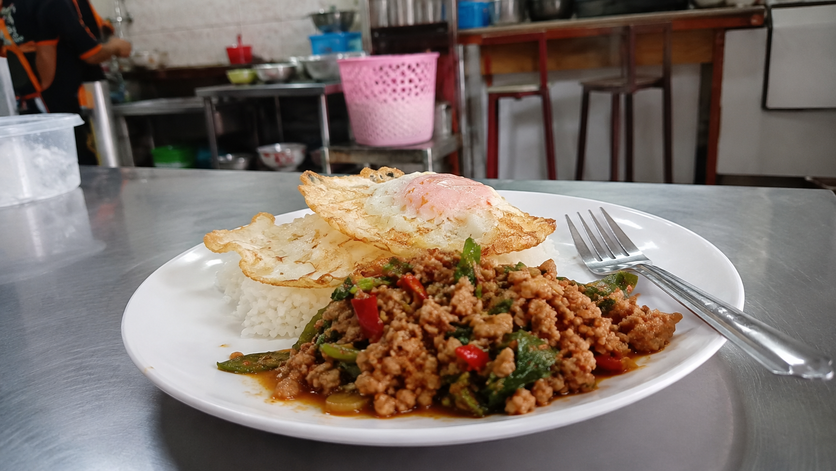
Food was the easiest place to save money without feeling poor. In many cities, the affordable local meals were also the meals I wanted most. A bowl of noodles, a rice plate, a curry, a banh mi, or a night market dinner often gave me better memories than a polished tourist restaurant.
Street food worked because it was cheap, fast, filling, and part of the travel experience. In Vietnam, a simple meal could cost less than a coffee back home. In Thailand, local restaurants made it easy to eat properly without thinking too much about money. Malaysia gave me some of the best food value of the whole trip.
The budget only got harder when I chased familiar food too often. Western meals were not wrong, and I still had them. Long-term travel is different from a two-week holiday. After weeks on the road, sometimes eggs, toast, pasta, or a burger feel like maintenance rather than luxury.
Drinks were more dangerous than meals. Iced coffee, smoothies, beers, cocktails, and convenience-store snacks added up quickly. Since I was not a big party traveler, I saved a lot without trying too hard.
Accommodation Taught Me What I Actually Need
Before the trip, I thought accommodation would be simple. Find the cheapest decent place, book it, and move on. After a month, I became more careful.
A room is not just a place to leave your bag. It decides how well you sleep, how easy your next day feels, and whether you wake up ready to explore or already annoyed.
Hostels helped me save money, especially in bigger cities. They also made it easier to meet people. But staying in dorms every night for 3 months would have made me tired of the trip faster.
Simple private rooms became my reset button. I used them when I was sick, behind on sleep, or tired of being social. They were not luxury stays. Most were plain rooms with a bed, a bathroom, and enough quiet to feel human again.
Location mattered more than the nightly price. A cheap room far from food and transport often became more expensive in practice. Paying slightly more to stay somewhere walkable usually saved both money and energy.
Transport Was the Category I Underestimated Most
Transport tested the budget because movement creates extra costs around the edges. The ticket itself was rarely the whole story.
A normal travel day might include a ride to the station, the bus or train ticket, snacks, luggage storage, a ferry, another ride after arrival, and sometimes a taxi because I arrived late. None of those expenses felt huge alone. Together, they changed the daily average.
Overland travel helped when I had time. Buses and trains were usually good value, especially in Vietnam, Thailand, and Malaysia. Night buses sometimes saved one night of accommodation, but they also cost me sleep.
Flights were not automatically bad. Sometimes a short regional flight made sense, especially when the overland route was too long or awkward. The real cost, though, had to include baggage, airport transport, food, and lost time.
Moving less was the best strategy. When I stayed five or six nights instead of two, the budget calmed down. Fewer tickets, fewer taxis, and fewer tired decisions made the whole trip cheaper.
What I Would Do Differently Next Time
A second version of this trip would have fewer stops. Southeast Asia is too big to treat like a checklist, even with three months. Trying to see everything makes the region feel smaller in the worst way.
I would spend more time in Vietnam, northern Thailand, and Laos if my main goal was to stay under budget. Islands and more expensive places would still be part of the trip, but I would treat them as planned splurges.
Rest days would also come earlier. During the first month, I treated rest like wasted time. Later, I realized quiet days saved money and made the trip better.
Planning transport a little earlier would help too. I still like flexible travel, but waiting until the last minute often created stress and higher prices. A basic route plan would have saved money without making the trip feel overplanned.
Most of all, I would stop trying to make every destination “worth it” by doing too much. Some of my best days were slow and cheap: a local breakfast, a long walk, a market, a sunset, and a simple dinner.
FAQ About Spending 3 Months in Southeast Asia
Is $3,000 enough for 3 months in Southeast Asia?
Yes, $3,000 can be enough for 3 months in Southeast Asia if you travel on a budget, move slowly, eat mostly local food, and avoid expensive hotels or constant flights.
Does the $3,000 include international flights?
No. My $3,000 budget does not include international flights. It covers the cost of traveling inside Southeast Asia, including accommodation, food, transport, activities, SIM cards, laundry, and small daily expenses.
Which country was cheapest for me?
Vietnam was the cheapest country for my travel style. I found good-value accommodation, affordable local food, and reasonable transport without trying too hard.
Which country was most expensive?
Indonesia was the most expensive on my daily average, mainly because I spent time in tourist-heavy areas. Thailand could also become expensive around islands, beaches, and nightlife areas.
How much should I budget per day for Southeast Asia?
For budget travel, I would plan around $30 to $40 per day. You can spend less if you stay mostly in dorms, avoid flights, and eat local food, but a slightly higher budget gives you more breathing room.
Can you travel Southeast Asia cheaper than I did?
Yes. A stricter backpacker could spend less by staying only in dorms, skipping flights, avoiding paid tours, drinking less, and spending more time in cheaper countries.
What was my biggest budget mistake?
Moving too fast was my biggest mistake. Every extra destination added transport, transfers, booking stress, and tired decisions. Once I slowed down, my daily spending dropped.
Spending 3 months in Southeast Asia for less than $3,000 is possible, but it is not automatic. The region can be affordable, yet careless travel still gets expensive quickly. Constant flights, rushed routes, tourist cafes, nightlife, and poor accommodation choices can break a budget faster than expected.
My trip worked because I found a balance. I saved money on things that did not matter much to me, like fancy hotels, constant Western meals, and heavy nightlife. Money went toward things that improved the trip, including meaningful activities, occasional private rooms, and safer or less stressful transport.
The biggest lesson was not that I could survive on a low budget. It was that I did not need as much as I thought to have a full travel experience. Some of my best memories were cheap or free: a street food dinner, a slow walk through a new city, a quiet guesthouse balcony, or a bus ride through the mountains.
Use my numbers as a realistic starting point, not a rule. Your route, season, comfort level, and travel speed will change the final cost. But if you travel slowly, choose your splurges carefully, and stay honest about where your money goes, a long trip through Southeast Asia can still be surprisingly affordable.
Planning your own route? Start with travel speed first, then build the budget around it. Moving slower was the single biggest reason I stayed under $3,000.
References
- Lonely Planet. “Southeast Asia Travel Guide.”
- U.S. Department of State. “Travel Advisories.”
